The Los Angeles Rams didn’t just draft a quarterback—they executed a calculated pivot. When the dust settled on the 2024 NFL Draft, one of the most quietly strategic moves wasn’t a blockbuster trade or a surprise first-round pick. It was the Rams selecting Oregon quarterback Ty Simpson in the later rounds, a decision Albert Breer highlighted not as a lottery ticket, but as a reflection of refined evaluation, timing, and organizational conviction. While names like Jayden Daniels and Drake Maye dominated headlines, Breer’s draft takeaways peeled back the curtain on how the Rams zeroed in on a less-heralded prospect with high-upside traits that align precisely with their long-term vision.
Breer, known for his sharp inside-the-room insights, framed Simpson not as a fallback but as a fit—a player whose profile mirrors where the NFL’s quarterback archetype is headed. The Rams didn’t reach. They redirected.
Why Ty Simpson Made Sense for the Rams’ Timeline
The Rams’ quarterback room in recent years has been a blend of veteran stability and transitional uncertainty. With Matthew Stafford entrenched as the starter—but entering the twilight of his career—the team needed a developmental prospect who could grow without immediate pressure. This isn’t a rebuild, but a recalibration.
Ty Simpson, a three-year Oregon Duck with starting experience and elite athletic upside, represents a low-risk, high-ceiling addition. At 6’2”, 215 pounds, he combines pocket presence with escape-ability—an increasingly valuable trait in modern NFL offenses. What stood out to Breer wasn’t raw stats, but how Simpson performed in structured environments, particularly within Oregon’s pro-style, tempo-adjusted system.
Breer noted that Simpson “showed flashes of high-level processing against Power Five competition, especially in compressed-down situations.” That kind of evaluation—focused on decision-making under duress—aligns with how front offices now assess developmental QBs. It’s not about volume of starts or gaudy stat lines, but proof of adaptability.
For the Rams, selecting Simpson in the fifth round wasn’t about grabbing any arm. It was about identifying a player who:
- Thrives in structured, scheme-friendly systems
- Has the physical tools to improve with NFL coaching
- Fits Sean McVay’s preference for mobile quarterbacks who can extend plays
Albert Breer’s Draft Takeaways: The Process Behind the Pick
Albert Breer’s reporting consistently emphasizes process over outcome. His takeaways from the Rams’ selection of Simpson focused less on the player’s draft position and more on the internal mechanics that led to the decision.
According to Breer, the Rams’ scouting department conducted a deep dive into Simpson’s film from the 2023 season, particularly games against Michigan and Ohio State. While his stat lines weren’t eye-popping (13 TDs, 8 INTs), evaluators noticed:
- Improved accuracy on intermediate throws (15–25 yards)
- Willingness to step into pressure and deliver on time
- High football IQ, particularly in pre-snap reads
Breer also pointed to the Rams’ private workouts and interviews as pivotal. Simpson visited Los Angeles in March, where he reportedly aced the team’s cognitive testing and showed a strong grasp of McVay’s offensive concepts. That kind of intangible performance often separates late-round picks who stick from those who don’t.
One overlooked factor Breer highlighted: Simpson’s mental resilience. After losing the starting job to Dillon Gabriel mid-season, he remained engaged, studied from the sideline, and returned in key moments—like the Rose Bowl—without visible frustration. For a franchise prioritizing culture and coachability, that mattered.
The Athletic Profile That Stood Out

While Simpson isn’t a top-tier arm talent like Caleb Williams, he offers a different kind of value. Breer emphasized the Rams’ growing interest in “movement-based quarterbacks”—players who can thrive in play-action, RPOs, and designed rollouts. Simpson’s athleticism places him in the 88th percentile among QBs in agility testing, according to draft analytics firm PlayerProfiler.
Here’s a breakdown of Simpson’s athletic profile:
| Metric | Result | NFL Percentile |
|---|---|---|
| 40-Yard Dash | 4.59 sec | 85th |
| Vertical Jump | 35.5" | 82nd |
| Broad Jump | 10'2" | 88th |
| 3-Cone Drill | 7.02 sec | 79th |
| Shuttle | 4.31 sec | 76th |
These numbers suggest a player built for today’s NFL—mobile enough to create when structure breaks, but not reliant solely on his legs. Breer observed that Simpson “doesn’t play like a system QB. He can make all the throws when his feet are set, and his recovery mechanics after evading pressure are advanced for his experience level.”
That balance—between pocket discipline and improvisation—is exactly what the Rams value. Jared Goff had it early in his career. John Wolford showed flashes. Simpson, to Breer’s eye, has the tools to refine it further with time.
Why the Rams Passed on Higher-Profile QBs
The draft board was loaded with quarterback talent. So why Simpson over more recognized names?
Breer’s analysis cut through the noise: “The Rams weren’t looking for a savior. They were looking for a project with a clean slate.” Unlike some late-round QBs entering the league with mechanical flaws or injury histories, Simpson brings relatively good health and a malleable skill set.
More importantly, the Rams avoided overpaying. Multiple teams were reportedly interested in trading up for higher-upside arms, but the Rams stayed patient. Breer noted that “L.A. didn’t want to mortgage a 2025 pick for a developmental guy. Taking Simpson in the fifth was about value, not desperation.”
Consider the alternatives they passed on:
- J.J. McCarthy (Michigan): High upside, but limited starting experience and durability questions.
- Bo Nix (Oregon): More polished, but likely to be drafted earlier and command a higher price.
- Michael Penix Jr. (Washington): Explosive arm, but injury-prone and less mobile.
Simpson, by contrast, offered a rare blend: power-conference experience, coachability, and room to grow—all at a minimal draft capital cost.
Scheme Fit: How Simpson Aligns With McVay’s Offense
Sean McVay’s offense has evolved. While it began as a run-heavy, zone-scheme machine, it now incorporates more boot-action, RPO elements, and vertical shots—especially with Cooper Kupp and Puka Nacua as primary targets.
Simpson’s college usage at Oregon mirrors this shift. Under Dan Lanning, Oregon ran a hybrid offense that blended spread concepts with traditional pro timing. Simpson was asked to:
- Execute quick-game reads under pressure
- Throw on the move from unstructured platforms
- Manage tempo in two-minute situations
Breer pointed to Oregon’s game against Penn State in the Rose Bowl as a case study. With Gabriel injured, Simpson stepped in and completed 14 of 21 passes for 153 yards and a touchdown, including a critical third-down conversion on a back-shoulder throw against tight coverage.
“That wasn’t luck,” Breer wrote. “That was preparation meeting opportunity. And that’s what the Rams saw.”
McVay’s system rewards quarterbacks who can process quickly and deliver accurately off platform—exactly the traits Simpson showed in limited high-leverage moments.
Development Path: What’s Next for Ty Simpson?
Being drafted isn’t the finish line. For Simpson, the real test begins now.
Breer emphasized that the Rams’ quarterback development pipeline has improved significantly since the days of Jared Goff’s early struggles. The team now employs a dedicated QB coach, has invested in motion-capture training tech, and uses virtual reality simulations for play recognition.
Simpson’s first year will likely focus on:
- Refining footwork in pocket sets
- Improving timing on deep vertical routes
- Building chemistry with backups and practice squad receivers
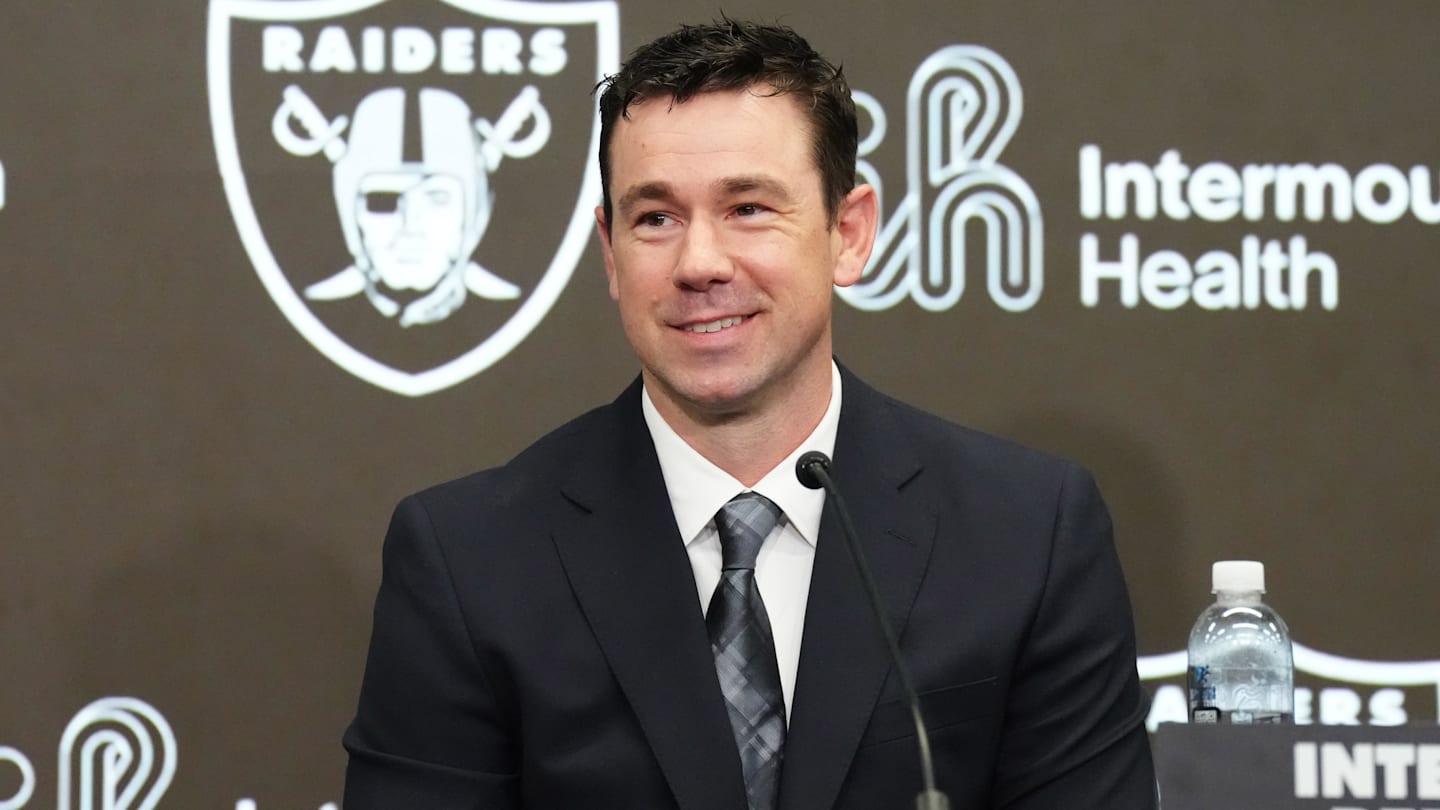
He won’t challenge Stafford this season. But Breer believes that by 2025, if Simpson shows progress, he could enter training camp as the primary backup—especially if the team moves on from Baker Mayfield or looks to reduce Stafford’s workload.
The Rams aren’t banking on Simpson becoming a franchise QB. But they are betting he can become a reliable, scheme-savvy backup who could step in during injury or transition years. That’s a realistic, valuable outcome.
The Bigger Picture: What This Says About NFL Draft Strategy
Albert Breer’s takeaways on the Rams’ selection go beyond one player. They reflect a broader trend in NFL drafting: the de-emphasis of pedigree in favor of fit and development capacity.
Teams are no longer reaching for "the best player available" if that player doesn’t align with system demands. Instead, franchises like the Rams are building rosters through targeted, context-aware picks—even at the quarterback position.
Simpson’s selection illustrates three modern draft principles:
- Value Over Hype: Waiting for the right fit, even if it means passing on consensus talent.
- Process Over Results: Investing in private evaluations, cognitive testing, and character assessment.
- Development-Centric Mindset: Viewing late-round picks not as afterthoughts, but as long-term projects.
Breer summed it up: “The Rams didn’t fall in love with a highlight. They fell in love with a process. And that’s how smart teams build.”
Final Word: A Quiet Move With Long-Term Implications
The Rams didn’t make a splash with their quarterback pick. But in Albert Breer’s view, that was the point. The selection of Ty Simpson wasn’t about fanfare—it was about precision.
By targeting a player with NFL-ready athleticism, college scheme familiarity, and strong intangibles, the Rams positioned themselves for a smooth quarterback transition without sacrificing cap space or future draft capital. It’s the kind of move that doesn’t trend on social media but pays dividends in years three and four.
For fans and analysts alike, the lesson is clear: sometimes, the most revealing draft decisions aren’t the ones at the top of the board. They’re the ones made quietly, with purpose, and backed by process.
If Simpson develops as projected, the Rams won’t need to chase a high-priced free agent or trade up in next year’s draft. They’ll already have their next option—calmly, methodically waiting in the wings.
FAQ
Why did the Rams pick Ty Simpson so late in the draft? Simpson was seen as a developmental prospect with upside, not a ready-made starter. His limited starting experience and inconsistent college stats caused him to slide, making him a value pick in the fifth round.
How does Ty Simpson fit with Matthew Stafford on the roster? Perfectly. With Stafford as the established starter, Simpson can develop slowly, learn the system, and prepare to back him up—without the pressure of immediate playing time.
Did Albert Breer predict the Rams would draft Simpson? Not specifically, but Breer noted the Rams’ interest in mobile, intelligent QBs and praised Simpson’s character and athleticism in pre-draft analysis.
What are Ty Simpson’s biggest strengths? Athleticism, mobility, processing speed, and ability to perform under pressure. He also shows strong leadership and coachability, which are key for long-term development.
Can Ty Simpson become the Rams’ starter in the future? It’s possible, but not guaranteed. His path depends on development. If he refines his accuracy and consistency, he could compete for the job post-Stafford.
How does Simpson compare to other Oregon QBs like Bo Nix? Nix has more experience and better stats, but Simpson offers superior athleticism and mobility. The Rams valued his upside and long-term potential over proven production.
What role will Simpson have in Year 1? Expect him to spend his rookie season as the third-string QB, focusing on learning the playbook, improving mechanics, and participating in practice squad reps.
FAQ
What should you look for in How the Rams Landed on Ty Simpson According to Albert Breer? Focus on relevance, practical value, and how well the solution matches real user intent.
Is How the Rams Landed on Ty Simpson According to Albert Breer suitable for beginners? That depends on the workflow, but a clear step-by-step approach usually makes it easier to start.
How do you compare options around How the Rams Landed on Ty Simpson According to Albert Breer? Compare features, trust signals, limitations, pricing, and ease of implementation.
What mistakes should you avoid? Avoid generic choices, weak validation, and decisions based only on marketing claims.
What is the next best step? Shortlist the most relevant options, validate them quickly, and refine from real-world results.