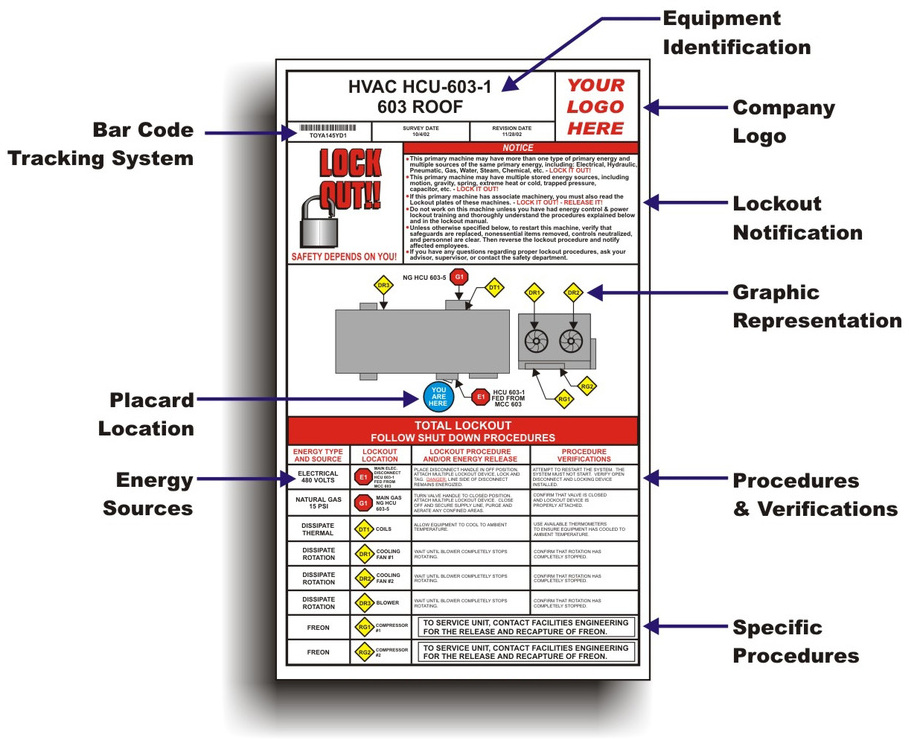
Lockout Tagout Procedures Template That Actually Works
One missed step during maintenance—a valve left open, a breaker not fully isolated—and the consequences can be catastrophic.
One missed step during maintenance—a valve left open, a breaker not fully isolated—and the consequences can be catastrophic.
Pulse Flux organizes pulse flux into homepage-led clusters, compact editorial intros, and search-oriented pages that feel like a standalone niche publication.
One missed step during maintenance—a valve left open, a breaker not fully isolated—and the consequences can be catastrophic.

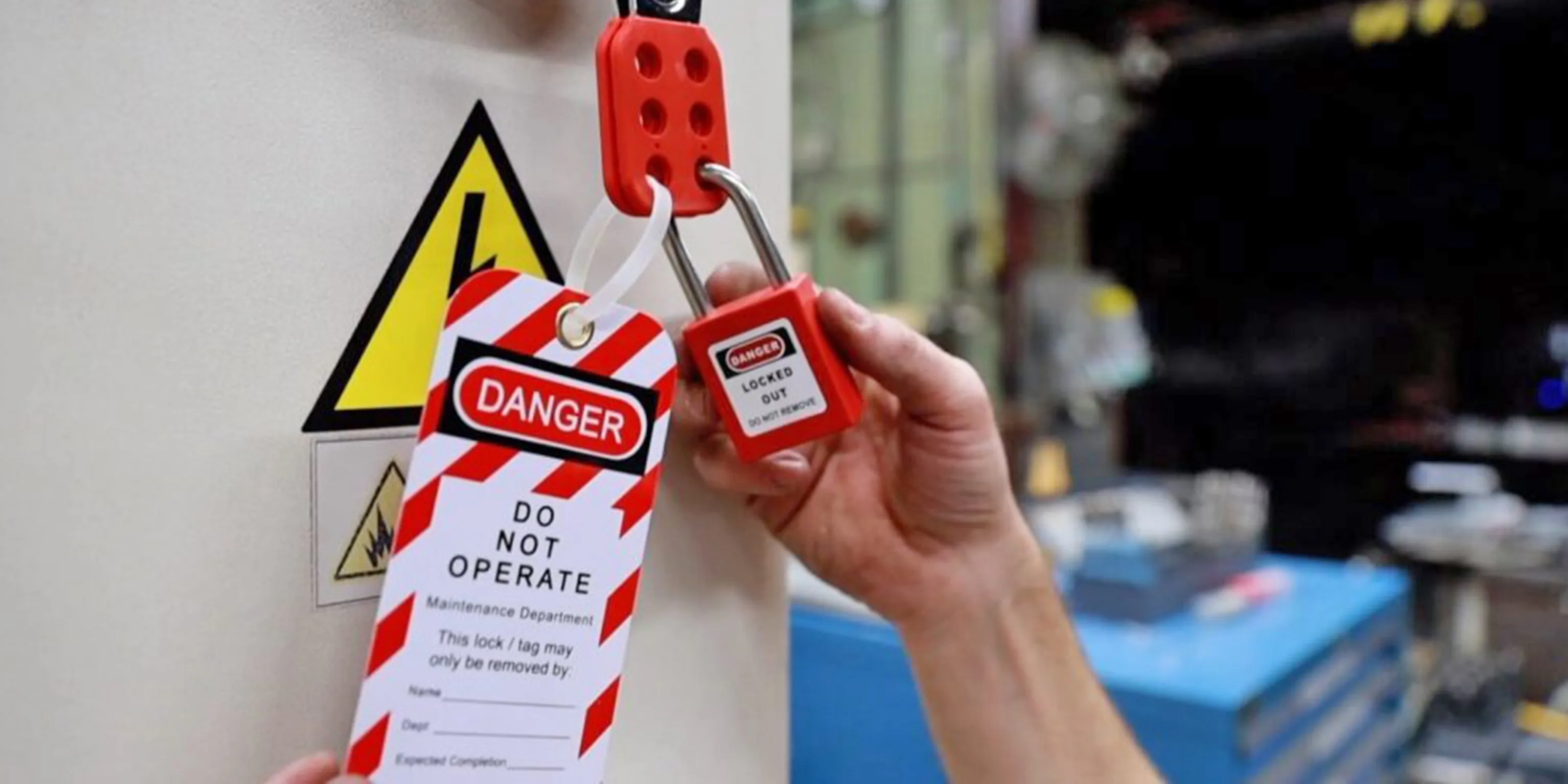
That’s when lockout/tagout (LOTO) becomes the last line of defense against serious injury.
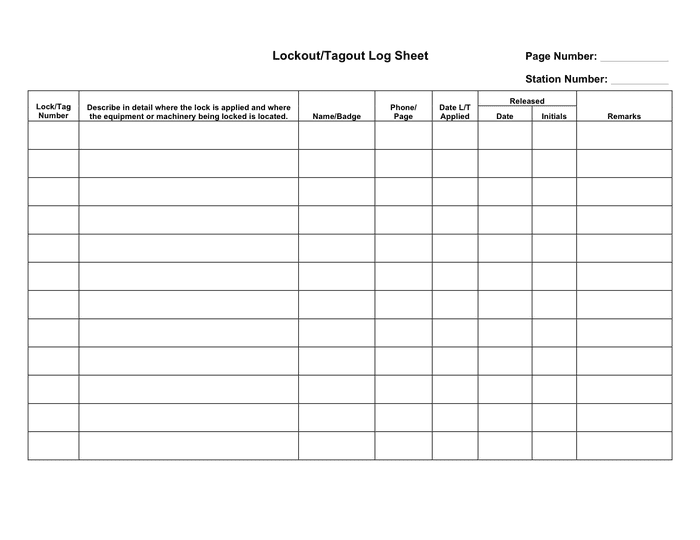
These aren’t just risks—they’re predictable outcomes when lock out tag out (LOTO) procedures are ignored or poorly documented.
The answer depends on environment, system, and context.
And when maintenance begins without proper safeguards, the consequences can be fatal.

The machine nearby is off, but no one knows if it’s truly de energized.

Every year, hundreds of workers suffer serious injuries—or worse—during equipment servicing because machinery was accidentally re energized.

When machinery needs servicing, one slip in safety protocol can lead to irreversible consequences.
Equipment doesn’t stop being dangerous the moment it’s turned off.
Every year, hundreds of workers suffer severe injuries—or worse—because machinery was accidentally energized during maintenance.
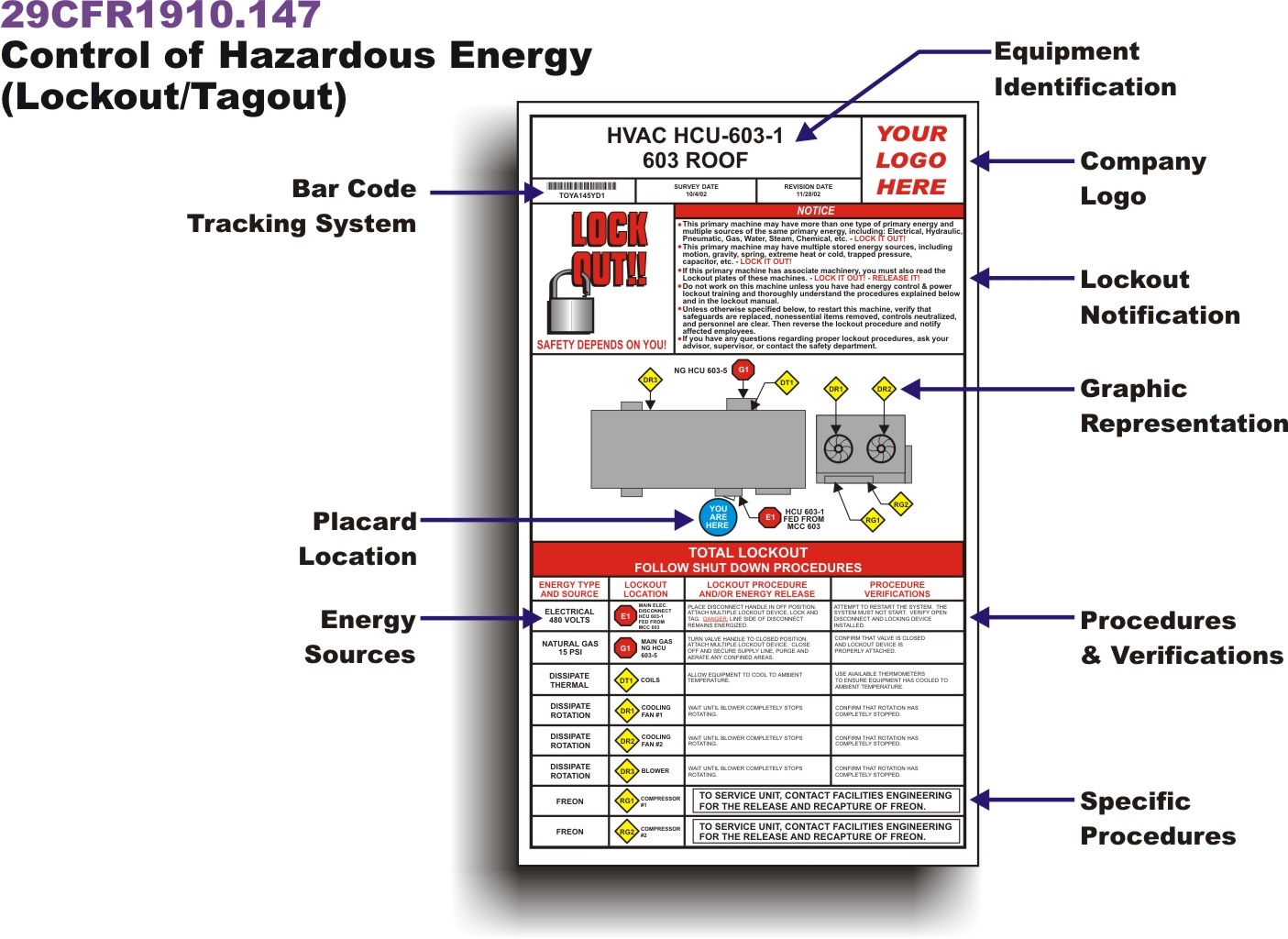
Every year, hundreds of workers suffer severe injuries—or worse—during equipment servicing because energy sources weren’t properly controlled.

Most industrial accidents involving machinery stem from one avoidable cause: unexpected energization during maintenance.
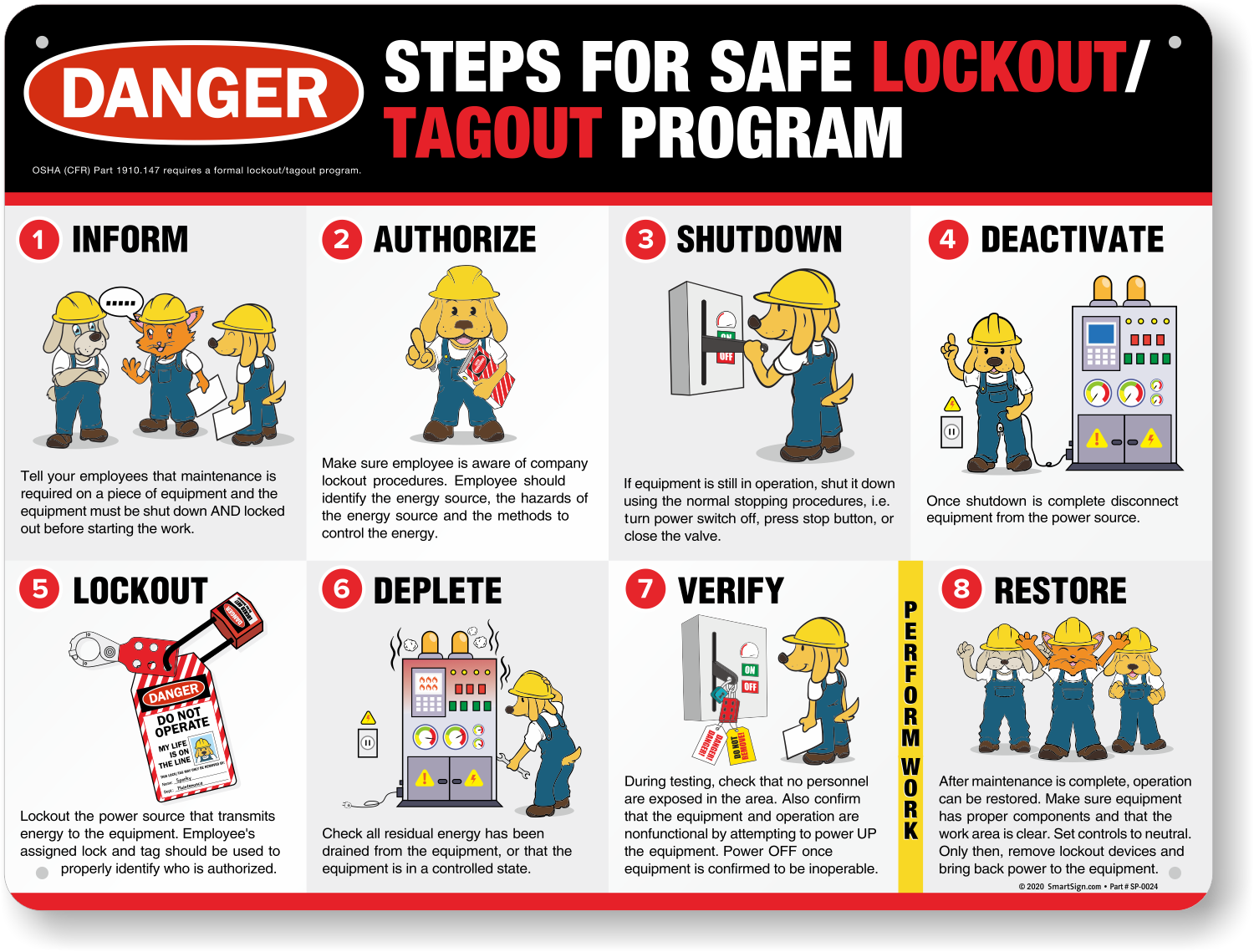
A conveyor belt can lurch to life without notice.
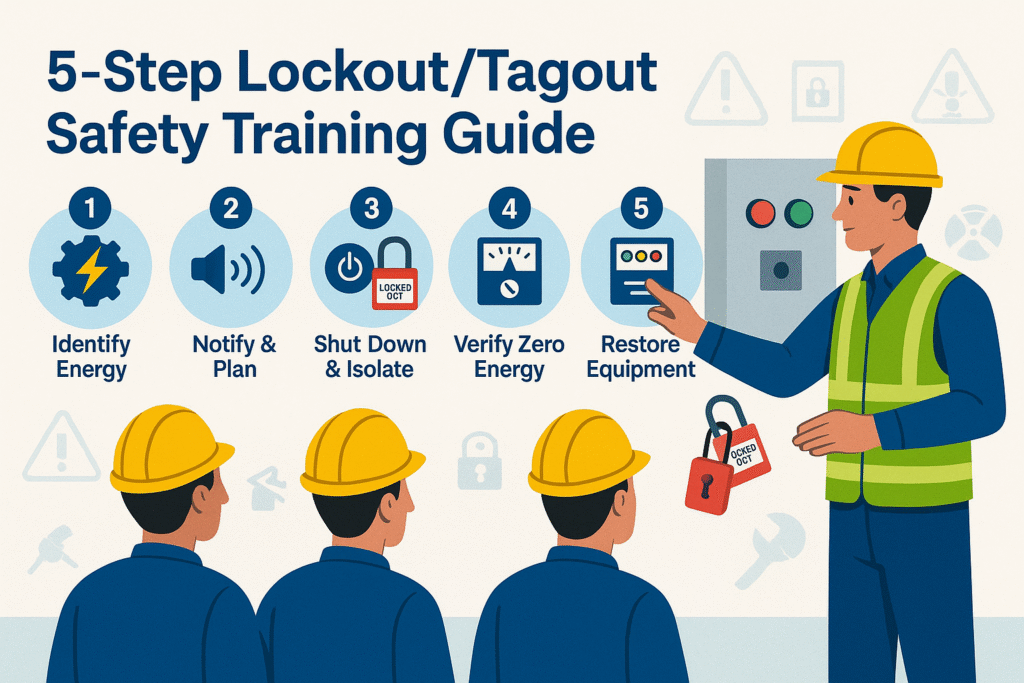
Workers are injured every year during equipment servicing—not because machines fail, but because safety procedures fail.
