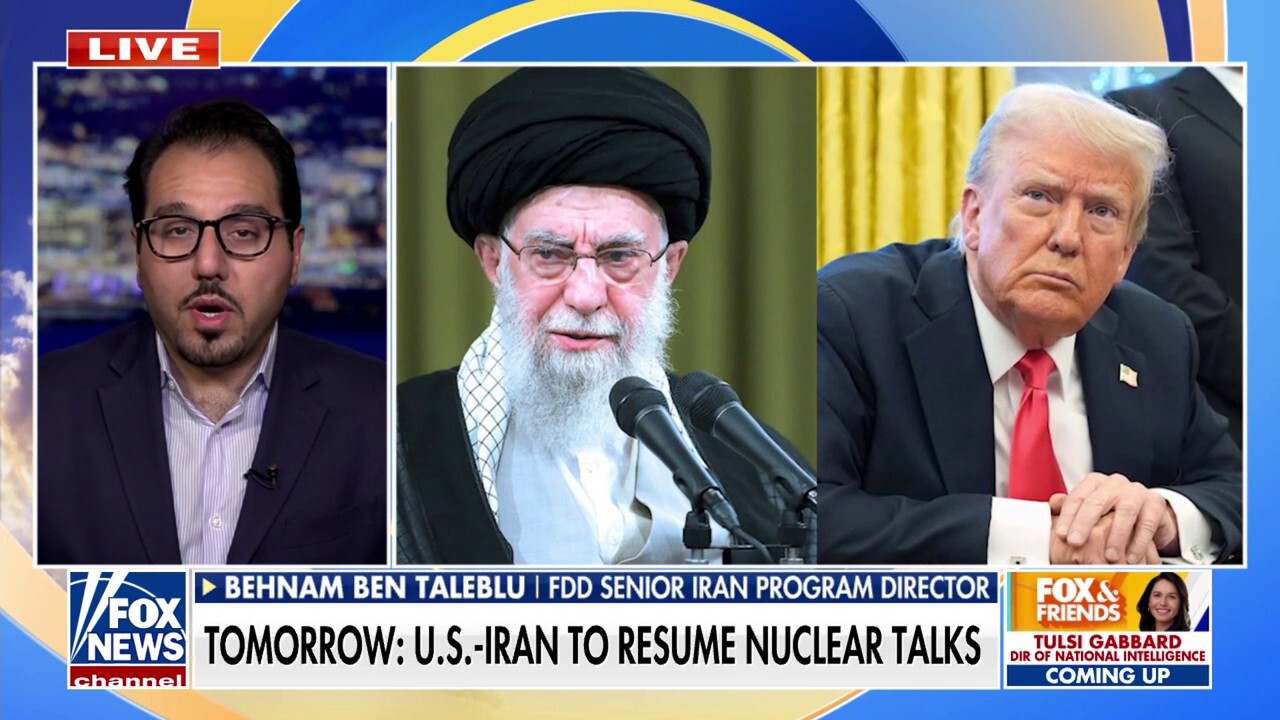
Iran is moving fast—and quietly—through diplomatic backchannels, courting allies, soothing regional tensions, and testing the limits of U.S. influence. At the same time, former President Donald Trump continues to insist the United States holds all the leverage. His message is consistent: maximum pressure worked, and any future deal must reflect that dominance. But Tehran isn’t waiting. A flurry of shuttle diplomacy, high-level summits, and regional outreach reveals a strategy aimed not just at survival, but at recalibration.
This isn’t crisis management. It’s strategic repositioning.
The Scope of Iran’s Diplomatic Offensive
Iran’s recent foreign engagements span continents and conflict zones. From Ankara to Muscat, Beijing to Baghdad, Iranian officials are negotiating access, brokering understanding, and building coalitions. What makes this wave distinct is its multipronged nature—simultaneously addressing security concerns, economic isolation, and long-term regional positioning.
Consider these moves in the past 12 months:
- Oman and Qatar: Tehran reactivated quiet mediation channels, using Gulf states as neutral grounds for indirect messaging with Washington.
- China-brokered Saudi-Iran Deal (2023): Though not a direct U.S. negotiation, it undercut Washington’s role as the sole regional power broker.
- Expanded Ties with Russia and China: Military cooperation, joint drills, and trade partnerships have deepened, reducing Iran’s dependency on Western engagement.
- Engagement with Central Asian States: New energy and transport corridors are being explored to bypass traditional chokepoints.
- Backchannel Talks with Europe: Despite stalled nuclear talks, technical discussions on trade and consular issues persist.
Each step signals a broader intent: to escape isolation not by surrendering to U.S. demands, but by diversifying alliances and creating alternative power centers.
Trump’s Narrative: The U.S. Holds All the Cards
Donald Trump’s public commentary on Iran has remained unchanged since his presidency. He credits his “maximum pressure” campaign—sanctions, drone strikes, the assassination of Qasem Soleimani—for forcing Tehran to the table. In speeches and interviews, he claims future negotiations must start from the position that “we have all the cards.”
His argument rests on three pillars:
- Economic Strangulation: U.S. sanctions choked off over 90% of Iran’s oil exports at their peak.
- Regional Disruption: Targeted killings and support for Arab allies weakened Iranian proxy networks.
- Deterrence Through Force: The message was clear—escalate, and the U.S. will respond decisively.
But “having the cards” assumes the deck hasn’t changed. And it has.
Iran’s current diplomacy suggests they no longer believe the U.S. holds a winning hand—especially if Trump returns to power with a transactional, deal-oriented approach that prioritizes optics over long-term stability.
The Limits of Maximum Pressure
Trump’s strategy succeeded tactically but failed strategically. Yes, Iran’s economy contracted sharply. Yes, public unrest grew. But Tehran adapted.
Key limitations of the maximum pressure campaign:
- Sanctions Fatigue: Secondary sanctions lost bite over time. European and Asian firms found ways to route trade through third countries.
- Proxy Resilience: Hezbollah, the Houthis, and Shia militias in Iraq and Syria evolved into self-sustaining networks, less dependent on Tehran’s direct funding.
- Domestic Rally Effect: Crackdowns often strengthened hardliners in Iran, marginalizing moderates who might push for reform.
- Missed Diplomatic Windows: The 2019 downing of a U.S. drone and the Soleimani strike brought both nations to the brink—but no lasting resolution followed.
Worst of all, maximum pressure burned bridges with European allies who still saw value in the JCPOA. The U.S. went from being a negotiator to an outlier.
Iran’s current diplomatic outreach exploits this vacuum. While Washington hesitates or threatens, Tehran signs memorandums and hosts summits.
How Iran Is Reframing Its Global Image
Iran isn’t just seeking survival—it’s crafting a new identity on the world stage.
No longer the isolated pariah, it’s positioning itself as:
- A Regional Stabilizer: Mediating between Saudi Arabia and Yemeni factions, positioning as essential to Gulf security.
- A Strategic Partner: Offering energy and military cooperation to countries wary of U.S. reliability.
- A Diplomatic Innovator: Leveraging non-Western powers like China to broker deals the U.S. can’t block.
Take the Saudi-Iran détente. Orchestrated by Beijing, it sidelined Washington entirely. For the first time in decades, two of the Middle East’s most powerful rivals agreed to normalize ties without U.S. involvement. That’s not just symbolic—it’s a direct challenge to American centrality.
Iran also capitalizes on global shifts. With the war in Ukraine weakening Western unity, and BRICS expanding, Tehran sees opportunity. It applied for full BRICS membership in 2023, seeking economic integration outside dollar-dominated systems.
Trump vs. Reality: Can the U.S. Really Call the Shots?
Trump’s claim that the U.S. holds all the cards assumes three things:
- Iran is desperate.
- Sanctions can be tightened further.
- Allies will follow Washington’s lead.
But reality paints a different picture.
Iran is not desperate—it’s adapting. Its economy, while under strain, has developed parallel banking systems, barter trade, and smuggling networks that keep essential goods flowing. Inflation remains high, but the state hasn’t collapsed.
Further sanctions have diminishing returns. The toughest measures are already in place. New ones risk alienating partners without meaningfully increasing pressure.
And allies? Many are tired of being forced to choose. India buys Iranian oil through indirect channels. Turkey hosts Iranian investment. Even Saudi Arabia now sees Tehran as a neighbor to manage, not just contain.

Trump’s insistence on U.S. dominance may play well domestically, but it doesn’t align with the multipolar reality Iran is actively shaping.
The Risk of Miscalculation on Both Sides
This moment is fragile. Iran’s diplomatic momentum could be misread in Washington as weakness—a signal to double down on pressure. Conversely, Trump’s rhetoric could be seen in Tehran as a prelude to attack, prompting escalatory moves.
History shows how fast things can spiral:
- 2019: A drone shootdown nearly led to retaliatory airstrikes—called off at the last minute.
- 2020: The Soleimani strike triggered missile attacks on U.S. bases in Iraq.
- 2023: Houthi attacks on Red Sea shipping tied directly to Gaza, but exploited existing anti-U.S. sentiment fostered by past conflicts.
If Trump returns to office and applies maximum pressure 2.0—more sanctions, covert ops, threats of military action—Iran may respond not with retreat, but with asymmetric escalation: proxy attacks, nuclear advances, or regional destabilization.
Meanwhile, Iran’s diplomacy could backfire if seen as insincere. Opening embassies while arming militias creates cognitive dissonance. Trust is still in short supply.
What a New U.S. Administration Should Consider
Whether Trump or another leader occupies the White House, the next administration must grasp that leverage is no longer unilateral.
Effective strategy requires:
- Recognizing Iran’s Adaptive Capacity: Sanctions alone won’t force capitulation. A mix of pressure and engagement is needed.
- Rebuilding Alliances: Work with Europe and Gulf partners to create unified, credible diplomatic tracks.
- Clarifying Red Lines: Both sides need to understand what triggers escalation—without issuing empty threats.
- Addressing Regional Conflicts Holistically: Isolating the nuclear issue from Yemen, Syria, or Lebanon ignores how Iran sees its interests.
- Leveraging Diplomatic Windows: The Saudi-Iran thaw, regional dialogue forums, and IAEA access are openings—not weaknesses.
Above all, the U.S. must decide: Is the goal to punish Iran, or to constrain its most dangerous behaviors?
The Path Forward: From Bluster to Strategy
Iran’s diplomatic flurry isn’t a sign of surrender. It’s a sign of confidence—fragile, but real. They believe the world is shifting, and they’re moving to claim space in it.
Trump’s insistence that the U.S. holds all the cards may resonate with a base that values strength over nuance. But in international affairs, the best hands are played quietly, with patience and precision.
The next phase of U.S.-Iran relations won’t be won through tweets or ultimatums. It will be shaped in backrooms, trade agreements, and quiet understandings. The country that masters this reality—whether Washington or Tehran—will hold the real advantage.
For U.S. policymakers, the task is clear: replace bluff with strategy, rhetoric with realism. Because diplomacy isn’t about who talks the loudest. It’s about who listens, adapts, and acts.
Act now: Monitor Iran’s non-nuclear regional engagements—those may matter more than centrifuges. Track trade routes through Oman, China, and Afghanistan. And remember: in geopolitics, the strongest card isn’t force. It’s foresight.
Frequently Asked Questions
Why is Iran increasing diplomacy now? Iran is capitalizing on shifting global alliances, especially with non-Western powers, to reduce isolation and create alternatives to U.S.-dominated systems.
Did Trump’s maximum pressure campaign work? It inflicted economic pain and disrupted Iranian operations but failed to force major policy changes or collapse the regime. Iran adapted and diversified its alliances.
Can China replace the U.S. as a Middle East broker? Not fully, but China is gaining influence. Its role in the Saudi-Iran deal proved it can facilitate agreements the U.S. cannot—or will not—pursue.
What does Trump mean by “the U.S. has the cards”? He refers to U.S. military, economic, and diplomatic power, arguing that past pressure weakened Iran and that any future deal must reflect American dominance.
Is Iran moving closer to a nuclear weapon? It has enriched uranium to near-weapons grade but hasn’t weaponized. Most analysts believe it’s hedging—building capability without crossing the final threshold.
How are U.S. allies responding to this standoff? Many, like European states and Gulf nations, want de-escalation. They’re pursuing quiet diplomacy while publicly aligning with U.S. positions to varying degrees.
What’s the biggest risk in current U.S.-Iran relations? Miscalculation. Tough rhetoric on both sides could trigger unintended escalation, especially if a regional conflict—like in Gaza or the Red Sea—pulls them in.
FAQ
What should you look for in Iran’s Diplomatic Push Amid Trump’s Tough Stance on US Leverage? Focus on relevance, practical value, and how well the solution matches real user intent.
Is Iran’s Diplomatic Push Amid Trump’s Tough Stance on US Leverage suitable for beginners? That depends on the workflow, but a clear step-by-step approach usually makes it easier to start.
How do you compare options around Iran’s Diplomatic Push Amid Trump’s Tough Stance on US Leverage? Compare features, trust signals, limitations, pricing, and ease of implementation.
What mistakes should you avoid? Avoid generic choices, weak validation, and decisions based only on marketing claims.
What is the next best step? Shortlist the most relevant options, validate them quickly, and refine from real-world results.