In a high-stakes diplomatic move, Iran has extended a conditional offer to the United States: reopen critical maritime routes in the Strait of Hormuz in exchange for a temporary delay in nuclear negotiations. This calculated gambit reflects Tehran’s growing leverage in regional energy flows and its effort to recalibrate pressure points amid tightening Western sanctions. The proposal doesn’t signal retreat—it signals strategy.
The Strait of Hormuz, a 21-mile-wide waterway separating Iran from Oman, is one of the world’s most critical oil chokepoints. Nearly one-fifth of global oil supply—over 17 million barrels per day—passes through it. Any disruption here sends shockwaves across energy markets, global supply chains, and military planning.
Iran’s offer comes amid escalating tensions and a backdrop of stalled nuclear talks that have dragged on since 2021. With uranium enrichment levels creeping toward weapons-grade thresholds and Western intelligence agencies on high alert, the reopening of the strait could be seen as a de-escalation gesture—if it holds.
But timing and intent matter. This isn’t charity. It’s leverage.
Why Iran Controls the Pulse of Global Oil
Iran’s geographical position gives it unmatched influence over one of the world’s most fragile energy arteries. The Strait of Hormuz is narrow, shallow in parts, and flanked by Iranian radar and missile systems. For decades, Tehran has used the threat of closure as a deterrent against military action or economic strangulation.
Historically, Iran has acted on this threat:
- In 2011, it threatened to close the strait after the US and EU imposed oil sanctions.
- In 2019, Iranian forces seized a British tanker in retaliation for Gibraltar’s detention of an Iranian oil vessel.
- In 2021, drone attacks on Saudi oil infrastructure showcased its asymmetric reach.
Now, the offer to reopen the strait—if accepted under its terms—positions Iran not as a rogue actor, but as a negotiating power with veto rights over global energy stability.
This isn’t about goodwill. It’s about shifting the balance.
The Offer: What Iran Wants, What the US Might Gain
Iran’s proposal, conveyed through backchannel diplomatic lines, includes:
- Immediate de-escalation in the Strait of Hormuz, including withdrawal of fast attack craft and surveillance drones.
- Guaranteed safe passage for commercial vessels, verified by neutral maritime monitors.
- Lifting of secondary sanctions on Iranian oil exports—partial, temporary relief.
In return, Iran demands:
- A six-month pause on nuclear negotiations.
- No new sanctions during that period.
- US assurance against military strikes or sabotage operations targeting nuclear sites.
On the surface, the US gains short-term stability in oil markets and avoids a military confrontation. But the pause gives Iran breathing room—time to advance centrifuge deployment, enrich further, and strengthen its regional proxies.
It’s a classic trade: security now for risk later.
Washington’s Dilemma: Stability or Proliferation?
The Biden administration faces a tight strategic bind.
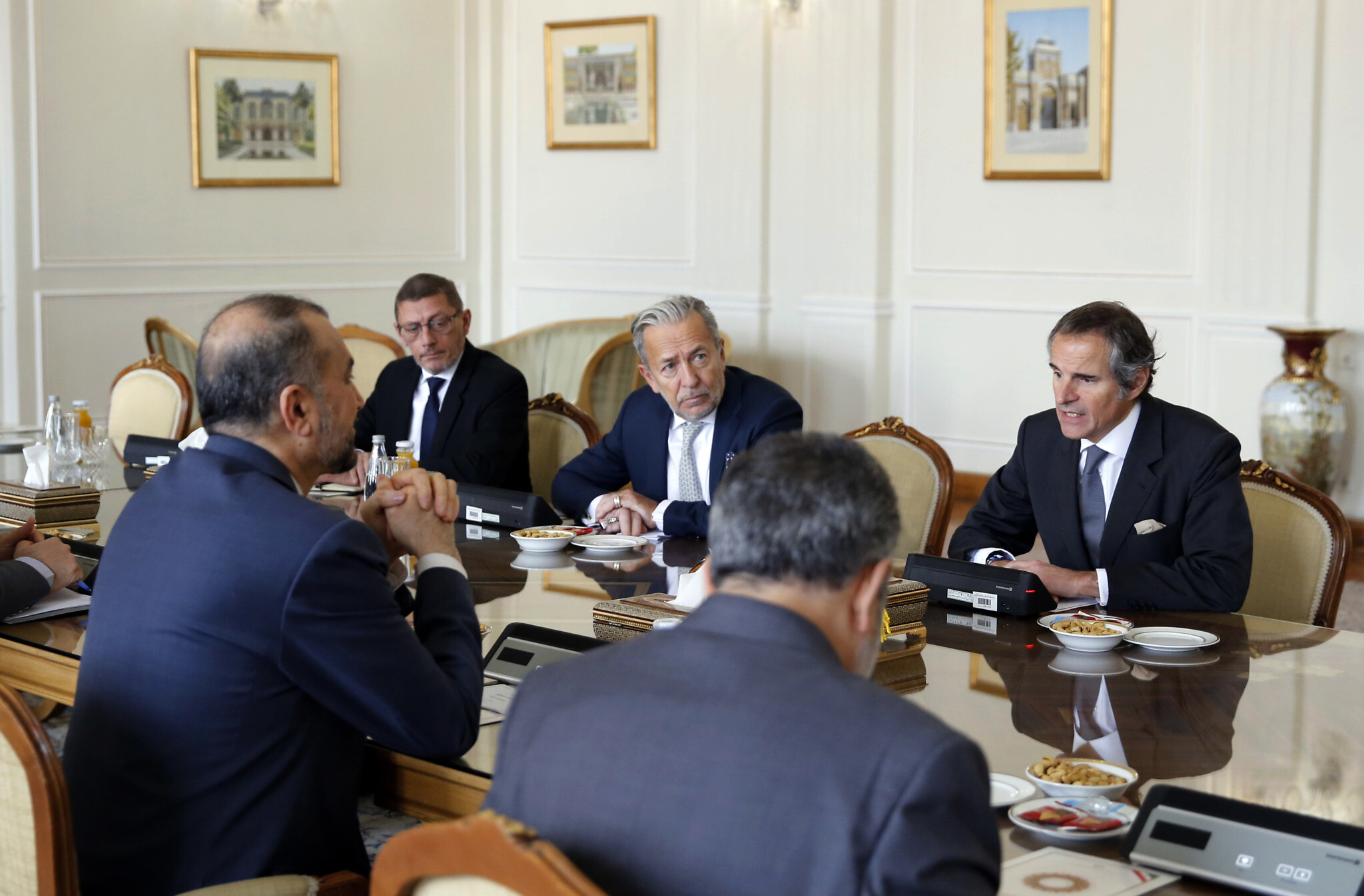
Allowing the strait to remain open and oil to flow freely benefits allies in Europe and Asia, where energy prices remain politically sensitive. A sudden spike—say, from a closure or tanker attack—could destabilize fragile economies and undermine climate transition plans reliant on stable fossil fuel baselines.
But accepting Iran’s terms risks normalizing nuclear stalling as a negotiation tactic.
US officials have long argued that any pause in talks benefits Iran disproportionately. Why?
- Iran can continue low-profile enrichment at undeclared sites.
- It advances knowledge in warhead miniaturization.
- It strengthens alliances with Russia and China, both of which oppose US-led nonproliferation efforts.
Yet, rejecting the offer could provoke immediate retaliation: mining the strait, targeting tankers, or launching drone attacks via Hezbollah or Houthi forces.
There is no clean choice—only trade-offs.
Precedents: When Leverage Worked Before
Iran isn’t inventing a new playbook. It’s refining an old one.
In 2015, during the JCPOA negotiations, Iran halted enrichment steps in exchange for gradual sanctions relief. The result? Oil prices dropped, regional tensions eased, and diplomatic momentum built.
But the 2018 US withdrawal from the deal shattered that trust. Iran responded by ramping up enrichment and restricting IAEA inspections.
Now, Tehran is testing whether calibrated openness—offering temporary maritime peace—can force concessions without permanent nuclear rollbacks.
The parallel is clear: crisis management is now the primary tool of diplomacy.
Regional Repercussions: Allies, Enemies, and Silent Watchers Gulf states are watching closely.
Saudi Arabia and the UAE, though rivals of Iran, rely on the same strait for 85% of their oil exports. They’ve quietly welcomed any proposal that reduces the chance of war. But they also fear a US-Iran deal that sidelines them—again.
Israel remains skeptical. It views any pause in nuclear talks as a direct threat to its national security. Tehran’s advances in uranium enrichment—now up to 60% purity—bring it within weeks of weapons-grade material.
Meanwhile, China and Russia have signaled support for Iran’s position, framing the US as the obstacle to peace. Both have increased oil imports from Iran, using shadow fleets to evade sanctions.
The message is clear: the global energy order is fragmenting, and Iran is playing all sides.
What This Means for Global Energy Markets
Markets react to perception as much as reality.
Even the threat of strait closure causes volatility. In early 2024, insurance premiums for tankers transiting Hormuz spiked 300% during a brief standoff.
If Iran’s offer is accepted and the strait remains open:
- Brent crude could dip below $75/barrel.
- Asian refineries gain stable supply.
- US shale producers face pressure to cut output.
But if the deal collapses?
- Prices could jump to $100+ overnight.
- Emergency reserves (like the US SPR) may be tapped.
- Global inflation risks return.
Energy traders are already hedging. Some are rerouting shipments via Africa’s Cape of Good Hope—adding 10–14 days to delivery times but avoiding risk. Others are stockpiling refined products in Singapore and Fujairah.

This isn’t speculation. It’s preparation.
Diplomatic Next Steps: Can This Work?
The path forward hinges on verification and sequencing.
Iran insists the nuclear talks pause before sanctions relief. The US demands the reverse: freeze enrichment first, then discuss sanctions.
This chicken-and-egg dilemma has killed past deals.
Possible compromise frameworks include:
- Phased implementation: Limited tanker access in exchange for verified reduction in centrifuge operations.
- Third-party monitoring: Use of Swiss or Omani observers to confirm strait access and enrichment levels.
- Time-bound triggers: Automatic resumption of talks if Iran exceeds 90% enrichment or attacks shipping.
Without such mechanisms, the offer remains a gesture—not a roadmap.
The Risk of Miscalculation History shows that maritime brinkmanship often backfires.
In 1988, the USS Vincennes shot down Iran Air Flight 655, killing 290 civilians, during a tense standoff in the strait. Tehran called it murder; Washington called it a mistake. The incident deepened hostility for decades.
Today’s risks are higher. Iran’s naval forces now include advanced drones, anti-ship missiles, and cyber capabilities. The US maintains a Fifth Fleet presence in Bahrain—but cannot be everywhere.
One misread signal, one rogue commander, one false-flag operation—any could ignite a war no one wants.
A Calculated Pause, Not Peace
Iran’s offer isn’t a peace overture. It’s a tactical recalibration.
By offering to reopen the strait, Tehran positions itself as a responsible actor while demanding breathing room from nuclear constraints. It exploits Western fatigue, energy insecurity, and multipolar competition.
The US must respond with equal precision.
Blind rejection risks escalation. Blind acceptance risks proliferation. The middle path—conditional, verified, time-bound engagement—offers the only sustainable way forward.
But it requires clarity, unity among allies, and a willingness to trade short-term discomfort for long-term security.
The strait can open. The door to diplomacy must not close.
FAQ
What is the Strait of Hormuz? A narrow waterway between Iran and Oman, through which about 20% of the world’s oil passes daily.
Why is Iran offering to reopen the strait now? To gain leverage—offering maritime stability in exchange for a pause in nuclear talks and relief from sanctions.
Does reopening the strait mean peace with Iran? Not necessarily. It may be a temporary tactic to ease pressure while advancing nuclear capabilities.
What happens if the US rejects Iran’s offer? Risk of increased maritime aggression, tanker seizures, or attacks on shipping—potentially spiking oil prices.
Can Iran really close the Strait of Hormuz? Militarily, it could disrupt traffic with mines, drones, or fast boats—though a full, lasting closure would be difficult and invite retaliation.
How would a closure affect global oil prices? Estimates suggest prices could jump to $100–$150 per barrel, depending on duration and response.
Is this offer part of a larger deal? Possibly. It may be a step toward broader negotiations, but only if both sides build trust through verifiable actions.
FAQ
What should you look for in Iran Offers US Deal to Reopen Strait, Delay Nuclear Talks? Focus on relevance, practical value, and how well the solution matches real user intent.
Is Iran Offers US Deal to Reopen Strait, Delay Nuclear Talks suitable for beginners? That depends on the workflow, but a clear step-by-step approach usually makes it easier to start.
How do you compare options around Iran Offers US Deal to Reopen Strait, Delay Nuclear Talks? Compare features, trust signals, limitations, pricing, and ease of implementation.
What mistakes should you avoid? Avoid generic choices, weak validation, and decisions based only on marketing claims.
What is the next best step? Shortlist the most relevant options, validate them quickly, and refine from real-world results.