Safety doesn’t have to come with a price tag. Thousands of supervisors, site managers, and team leaders rely on free toolbox talks to keep crews informed, compliant, and alert—without draining budgets. These short, focused safety meetings address real hazards, reinforce protocols, and build a culture where safety isn’t an afterthought.
Yet most free resources fall short. Generic PDFs, outdated formats, and vague warnings don’t cut it on active job sites. The best free toolbox talks are practical, customizable, and designed for real-world use—tailored to the risks your team actually faces.
This guide cuts through the noise. You’ll find actionable templates, reliable sources, and strategies to make free toolbox talks effective—not just convenient.
What Are Toolbox Talks (And Why They Matter)
A toolbox talk is a brief safety meeting—typically 10 to 15 minutes—held at the start of a shift or before a high-risk task. Originally rooted in construction, these talks now span manufacturing, utilities, oil and gas, and maintenance crews.
Their goal isn’t paperwork. It’s awareness.
When done right, toolbox talks: - Highlight specific hazards (e.g., working at height, confined spaces) - Clarify proper use of PPE and equipment - Reinforce emergency procedures - Encourage workers to speak up about concerns
They’re also a compliance safeguard. OSHA doesn’t mandate “toolbox talks” by name, but they do require employers to train workers on recognized hazards (29 CFR 1926 for construction). Regular safety discussions serve as documented proof of that training.
Free toolbox talks make this accessible. Small contractors, startups, or remote crews with limited training budgets can maintain safety standards without investing in expensive programs.
Where Free Toolbox Talks Fail (And How to Fix It)
Not all free resources are equal. Many freely available talks suffer from three critical flaws:
1. One-size-fits-none content Templates that cover “slips and falls” in broad terms ignore context. A warehouse slip hazard differs from a roof tarping hazard—yet most free talks treat them the same.
Fix: Customize each talk. Replace generic advice with site-specific examples. Mention exact ladder types, machinery, or access points used on your job.
2. Missing engagement elements Reading a script to silent workers isn’t effective. Good talks include questions, discussion prompts, or quick demonstrations.
Fix: Add 2–3 open-ended questions. For example: - “Who’s had a close call with a forklift this week?” - “What’s one thing we could do better with lockout/tagout?”
3. No follow-up or documentation If no one signs the sheet or tracks topics, compliance is unprovable.
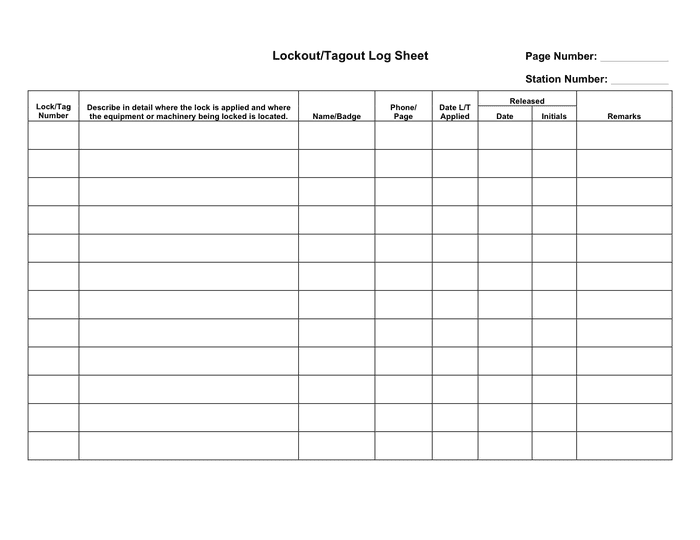
Fix: Use a sign-in sheet—even a printed list. Store completed talks for 6–12 months. Digital logs (via free Google Forms) work too.
Top 5 Sources for Free, High-Quality Toolbox Talks

Not every free resource is generic. These providers offer practical, well-structured talks you can use immediately—no registration or paywalls.
| Source | Topics Covered | Format | Customization Tips |
|---|---|---|---|
| OSHA.gov | Fall protection, electrical safety, PPE | PDFs, checklists | Add company logo, site photos, and supervisor notes |
| NIOSH (CDC) | Heat stress, noise exposure, ergonomics | Downloadable talks + slide decks | Pair with real incident data from your region |
| Safe Work Australia | Manual handling, plant operations | Bilingual PDFs (EN/other) | Ideal for multilingual crews; translate key terms |
| HSE UK (Health & Safety Executive) | Working at height, slips/trips, plant safety | Scenario-based guides | Use their “what could go wrong” prompts |
| Construction Safety Council (US) | Scaffold safety, trenching, fire prevention | Editable Word docs | Insert local weather risks (e.g., high wind alerts) |
These aren’t just handouts—they’re frameworks. Use them as starting points, then adapt them to your team’s daily realities.
How to Run an Effective Free Toolbox Talk
No amount of free content matters if delivery falls flat. Follow this workflow:
1. Pick the Right Topic Weekly Align talks with current tasks. For example: - Pouring concrete? Cover vibration tool safety and silica dust - Installing HVAC? Focus on ladder stability and confined space entry
Avoid recycling the same “general safety” talk every week. Workers tune out.
2. Limit It to 10–15 Minutes Set a timer. Stick to one hazard. Use plain language—no jargon.
Example: Instead of “Ensure proper lockout/tagout procedures,” say: “We’re shutting down the conveyor today. Show me how you’d isolate the power and test it before starting work.”
3. Make It Interactive Ask questions. Have someone demonstrate glove removal or harness checks.
Try this: > “Carlos, you’ve used this lift before. What’s one thing we should double-check today?”
This builds ownership.
4. Document Attendance Even with free content, proof matters. A simple sheet with: - Date - Topic - Attendee names (or employee IDs) - Supervisor signature
Store it in a binder or cloud folder. OSHA requests this during inspections.
Real-World Use Cases: Free Talks That Made a Difference
Case 1: Roofing Crew in Texas Problem: Two near-misses from improper ladder setup. Solution: Used a free HSE UK ladder safety talk, added photos of their own ladder types, and had each worker demonstrate setup. Result: Zero ladder incidents over the next six months.
Case 2: Industrial Maintenance Team in Ohio Problem: Low engagement during safety briefings. Solution: Rotated talk leaders weekly. Each technician picked a free NIOSH topic related to their task. Result: Participation rose from 40% to 90%; crew submitted three safety improvement ideas within two months.
Case 3: Landscaping Company in Florida Problem: Heat-related fatigue during summer. Solution: Downloaded CDC’s heat stress talk, added local weather alerts, and started each morning with hydration checks. Result: Reduced heat exhaustion incidents by 75%.

These teams didn’t pay for software or consultants. They used free talks—adapted with intention.
Integrating Free Talks into Your Safety Workflow
Free toolbox talks shouldn’t be an add-on. They’re most effective when embedded into your routine:
- Every Monday at 7:00 AM: Start with a 10-minute talk before assigning tasks
- Before high-risk jobs: Hold a mini-talk before entering a confined space or hot work
- After an incident: Use a relevant free talk to debrief and prevent repeats
Pair talks with other low-cost tools: - Free printable PPE inspection checklists (from OSHA) - Google Sheets for tracking weekly topics - WhatsApp groups to share safety reminders post-talk
Consistency beats complexity. A simple, weekly talk builds habits faster than quarterly formal trainings.
Limitations of Free Toolbox Talks (And How to Work Around Them)
Free resources have boundaries. Be aware of:
- Lack of updates: Some PDFs are years old. Always cross-check with current OSHA standards.
- No tracking software: Without digital logging, audits get messy. Use free tools like Google Forms or Airtable to log talks.
- Language gaps: Many are English-only. For multilingual crews, pair talks with visual aids or translated summaries.
Also, free talks shouldn’t replace certified training. They’re supplements—not substitutes—for forklift certification, fall protection courses, or respirator fit testing.
Build a Safety Culture—Without Paying for It
Free toolbox talks work when they’re treated as conversation starters, not compliance checkboxes. The best ones spark discussion, address real risks, and make safety personal.
Don’t wait for a budget approval. Download a free OSHA fall protection talk today. Customize it with your crew’s name, your site’s roof layout, and a photo of your actual harnesses. Run it tomorrow morning.
Safety isn’t about how much you spend. It’s about how consistently you communicate. Free tools give you the foundation—your leadership gives them meaning.
FAQs
What is a free toolbox talk? A no-cost safety meeting guide used to discuss workplace hazards, procedures, and best practices—typically lasting 10–15 minutes.
Are free toolbox talks OSHA-compliant? They can be, if they address actual hazards your team faces and are properly documented with attendance records.
Can I edit free toolbox talks? Yes—and you should. Customize them with site-specific examples, photos, and crew input for better relevance.
Where can I find free, printable toolbox talks? OSHA.gov, NIOSH, HSE UK, and Safe Work Australia offer free, downloadable PDFs and editable templates.
How often should toolbox talks be held? Weekly is ideal. Also hold them before high-risk tasks or after near-misses.
Do toolbox talks need to be signed? Yes. Attendance signatures prove workers received the information—critical during inspections or incident investigations.
Can I use free talks for multiple job sites? Yes, but adapt the content for each site’s unique hazards, equipment, and crew. One template doesn’t fit all.
FAQ
What should you look for in Free Toolbox Talks for Safer Workplaces? Focus on relevance, practical value, and how well the solution matches real user intent.
Is Free Toolbox Talks for Safer Workplaces suitable for beginners? That depends on the workflow, but a clear step-by-step approach usually makes it easier to start.
How do you compare options around Free Toolbox Talks for Safer Workplaces? Compare features, trust signals, limitations, pricing, and ease of implementation.
What mistakes should you avoid? Avoid generic choices, weak validation, and decisions based only on marketing claims.
What is the next best step? Shortlist the most relevant options, validate them quickly, and refine from real-world results.