A worker spots a frayed cable on a power tool. Instead of ignoring it or filing a report later, they bring it up during a five-minute huddle before the shift starts. That conversation—focused, immediate, and action-oriented—is a textbook example of a toolbox talk. But what does toolbox talk mean beyond this moment?
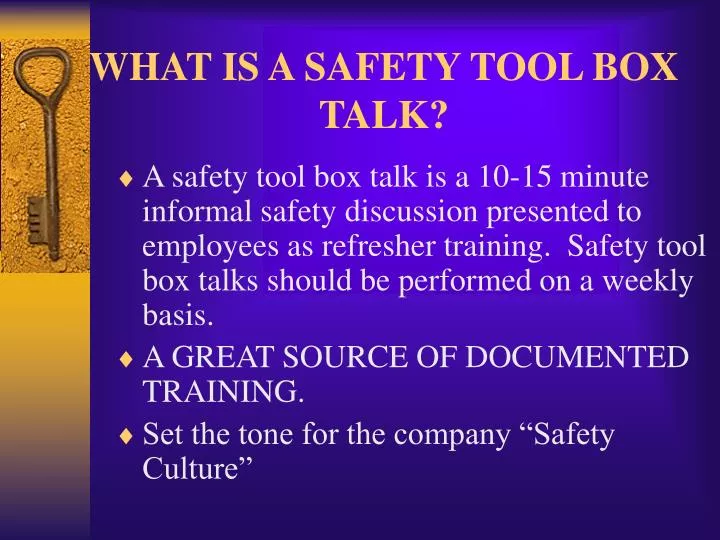
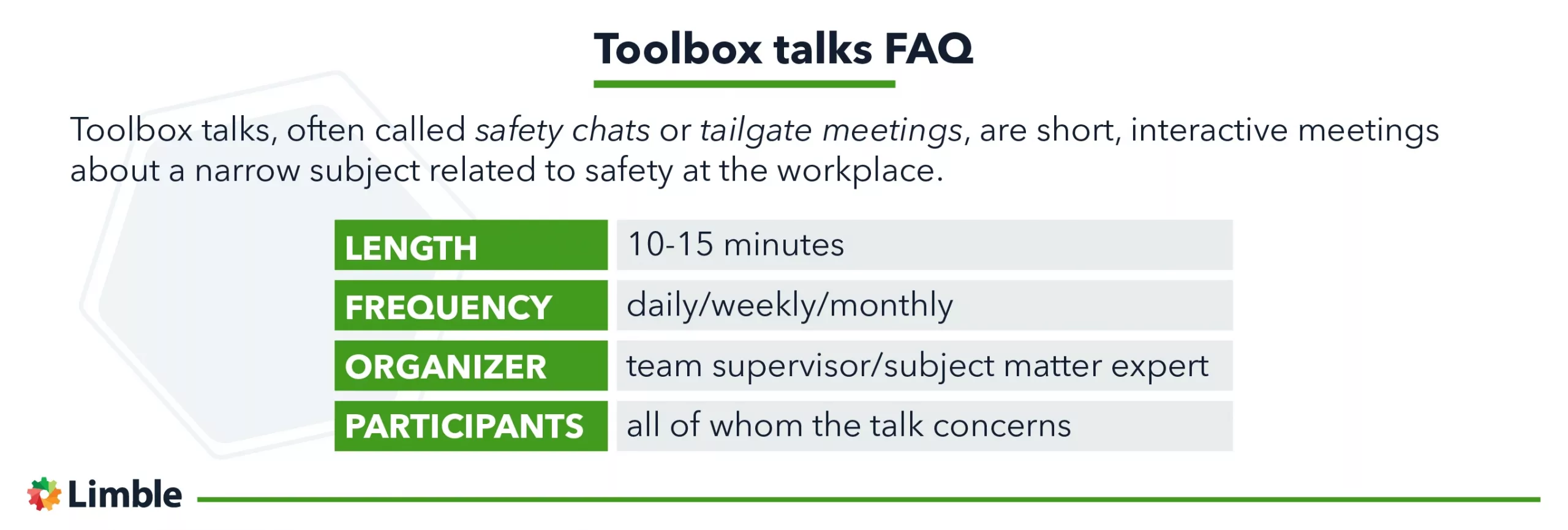
At its core, a toolbox talk is a short, informal safety meeting held at the job site, typically before work begins. It’s designed to address specific hazards, reinforce safe practices, and engage workers in real-time risk awareness. Unlike lengthy safety training sessions, these talks are concise—usually 5 to 15 minutes—and highly targeted, often centered on a single topic like ladder safety, PPE use, or chemical handling.
Despite the name, toolbox talks aren’t limited to construction or trades. They’ve become a staple in manufacturing, oil and gas, utilities, event production, and any field where hazards evolve daily. The term itself comes from the idea of gathering around a toolbox—literally or figuratively—to discuss safety before tools are used.
But their simplicity doesn’t mean they’re optional. In high-risk environments, skipping a toolbox talk is like driving without checking the rearview mirror: possible, but recklessly inefficient.
Why Toolbox Talks Are More Than Just a Safety Ritual
Many teams treat toolbox talks as a compliance checkbox. Supervisors read from a script, workers nod along, and the meeting ends with no follow-up. That approach misses the point entirely.
A meaningful toolbox talk fosters two-way communication. It's not a lecture—it’s a dialogue. When done right, it:
- Surfaces hidden hazards before incidents occur
- Encourages workers to speak up about concerns
- Reinforces accountability at all levels
- Builds a culture where safety is part of the daily rhythm
Consider a roofing crew preparing for a day’s work in high winds. A toolbox talk might cover securing materials, fall protection adjustments, and communication signals. But the real value comes when a newer worker admits they’re unsure how to properly anchor their harness. That admission leads to a quick demo, preventing a potential fall.
This kind of interaction transforms safety from a top-down mandate into a shared responsibility.
Key Elements of an Effective Toolbox Talk
Not all toolbox talks deliver results. The difference between a forgettable meeting and a life-saving one lies in structure and engagement.
1. Focus on a Single, Relevant Topic Trying to cover “general safety” dilutes impact. Choose one specific hazard: hot work, confined space entry, noise exposure. A talk on “how to handle a fire extinguisher” is more actionable than “fire safety.”
2. Keep It Brief and Timely
These are not training seminars. Aim for 10 minutes. Hold talks at the start of a shift, before a new task, or after an incident. Timing ensures relevance.
3. Encourage Participation Ask open-ended questions:
- “What risks do you see with this excavation?”
- “Has anyone encountered a similar situation before?”
Workers are more likely to remember safety points they helped articulate.
4. Use Visuals or Demonstrations Bring a piece of equipment, show a photo of a near-miss, or sketch a hazard on a whiteboard. Visual cues improve retention.
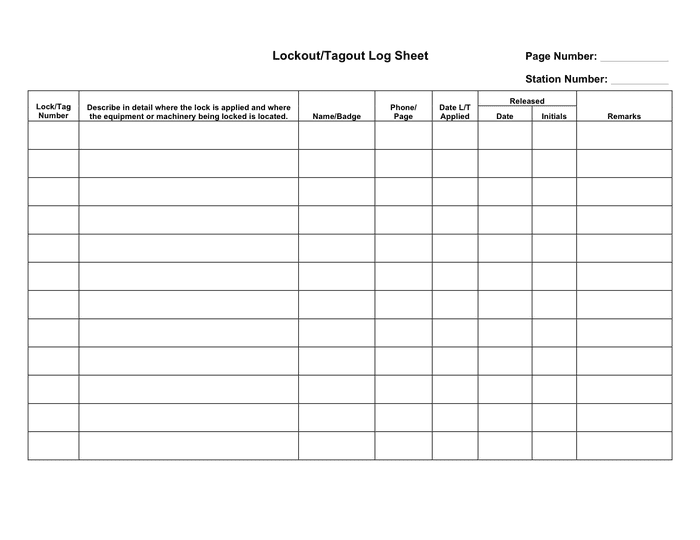
5. Document the Discussion Even informal talks should be recorded. A simple sign-in sheet with the topic, date, attendees, and key points creates accountability and supports audits.
Without these elements, toolbox talks become performative—something teams endure rather than engage with.
Common Mistakes That Undermine Toolbox Talk Success
Even seasoned safety managers fall into traps that reduce effectiveness.
Repeating the Same Topics Without Variation Running the same “hard hat safety” talk every Monday breeds complacency. Rotate topics based on seasonal risks, project phase, or recent incidents.
One-Person Monologues When only the supervisor speaks, engagement drops. Workers disengage, assuming their input isn’t valued.
Skipping Talks During Rushed Schedules “If we’re behind, we can’t afford to stop.” This logic is backward. Rushed work without safety checks is how incidents happen. Short talks prevent costly delays from accidents.
Ignoring Worker Feedback A worker mentions slippery surfaces near the loading dock. The supervisor acknowledges it but takes no action. Next time, that worker won’t speak up.
Using Generic, Off-the-Shelf Content Pre-written talks save time but often lack site-specific relevance. Adapt templates to your environment. A talk on “trench safety” should reflect the actual soil type, depth, and equipment on your site.
Avoiding these mistakes turns toolbox talks from routine to results-driven.
Real-World Examples of Toolbox Talks in Action
Example 1: Electrical Contractor
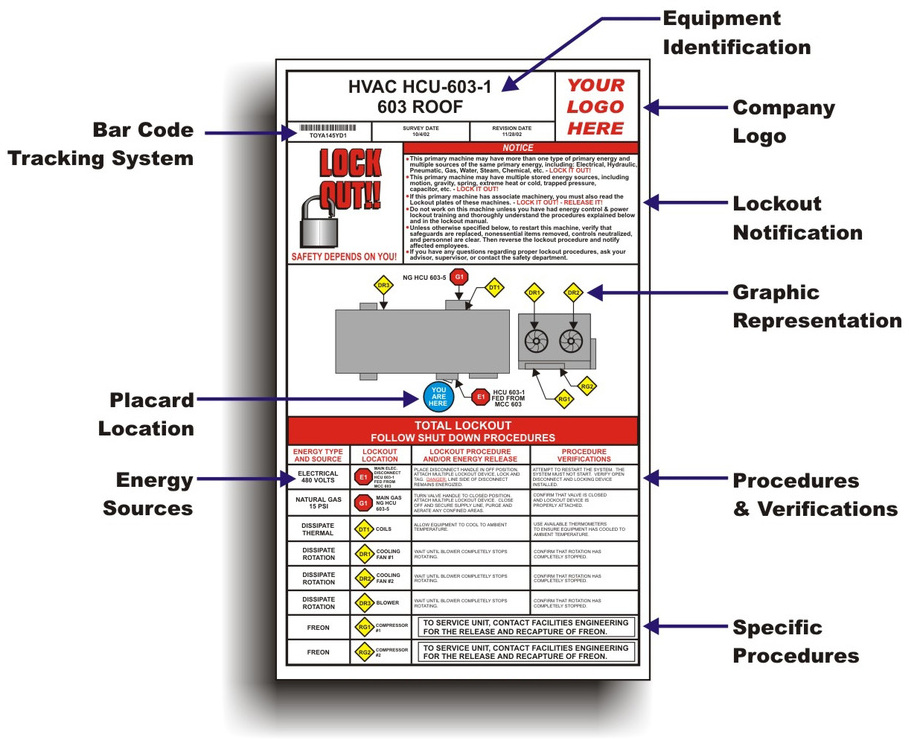
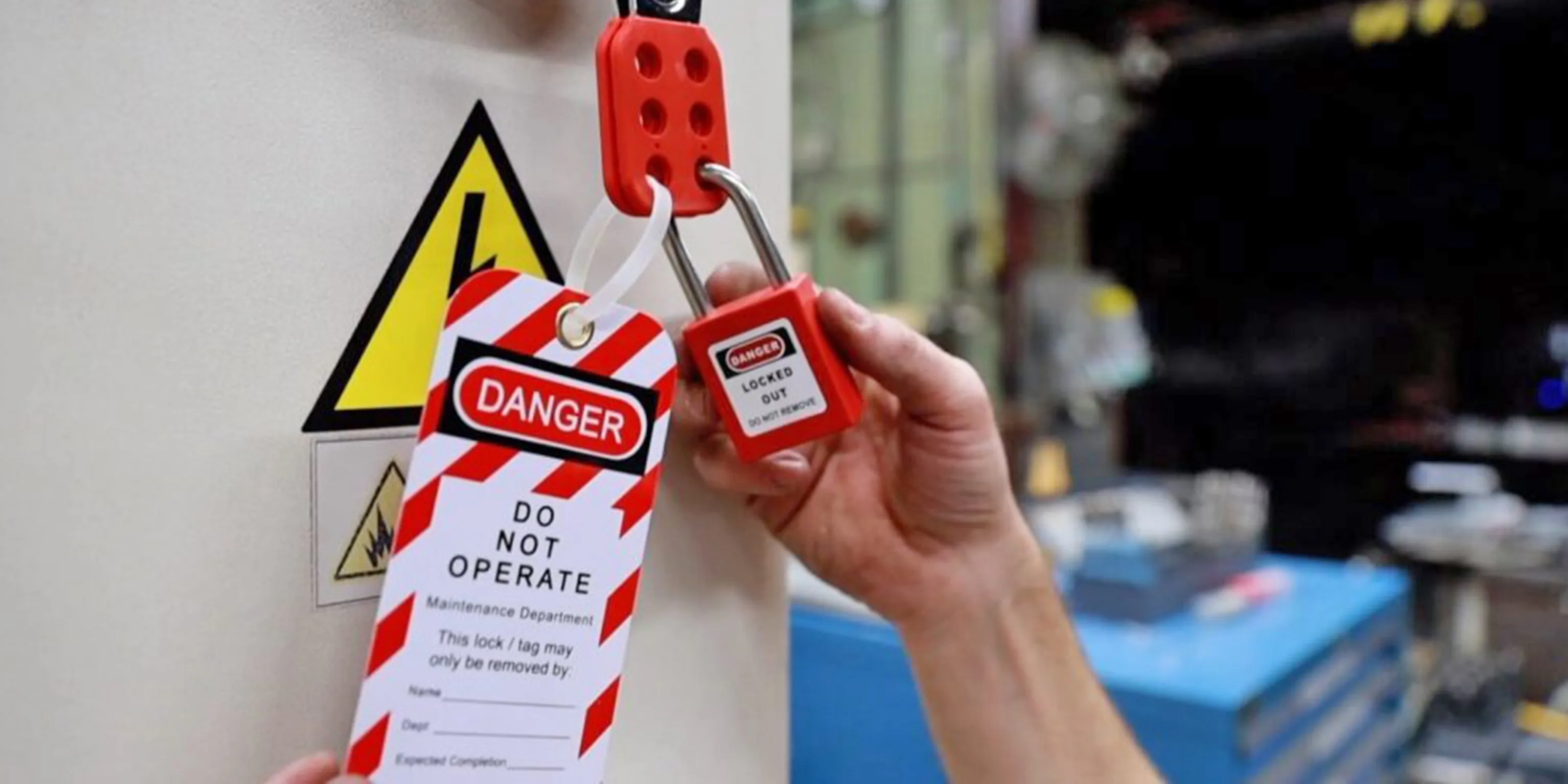
Before Panel Work Topic: Lockout/Tagout (LOTO) Procedure Discussion Points: - Confirming energy sources are isolated - Verifying lock placement with a second technician - Using voltage testers before touching wires Outcome: Prevented accidental energization during maintenance.
Example 2: Landscaping Crew Preparing for Chainsaw Use Topic: Chainsaw Safety and Kickback Prevention Discussion Points: - Checking chain tension and sharpness - Proper stance and grip - Identifying pinch points in logs Action: Supervisor demonstrated correct starting procedure.
Example 3: Warehouse Team Introducing a New Forklift Topic: Pedestrian Awareness and Blind Spots Discussion Points: - Designated walkways vs. traffic lanes - Use of backup alarms and spotters - Hand signals for communication Visual Aid: Posted a diagram of the forklift’s blind zones.
These examples show how specificity and relevance make the difference between awareness and action.
How Toolbox Talks Fit Into Broader Safety Management
Toolbox talks aren’t standalone tools. They’re part of a layered safety strategy that includes:
- Formal training programs
- Risk assessments
- Incident reporting systems
- Safety audits
Used together, they create feedback loops. For example, a near-miss report might trigger a toolbox talk, which then informs an updated safety procedure.
Regulatory bodies like OSHA don’t mandate toolbox talks by name, but they expect employers to provide ongoing safety communication. Toolbox talks are one of the most practical ways to meet that expectation.
In industries like construction, where OSHA focuses on “competent person” oversight, these talks demonstrate proactive hazard identification—something inspectors look for during site visits.
Top 5 Toolbox Talk Platforms and Resources
While a notepad and clipboard suffice, digital tools can streamline planning, delivery, and tracking.
| Tool | Key Features | Best For |
|---|---|---|
| SafetyCulture (iAuditor) | Pre-built templates, photo capture, real-time reporting | Teams needing audit-ready documentation |
| SiteDocs | Customizable forms, offline access, integration with safety plans | Large construction or industrial sites |
| GoCanvas | Mobile-friendly checklists, e-signatures, cloud storage | Field teams without consistent internet |
| Procore (Safety Module) | Embedded in project management, incident tracking | Contractors using Procore for overall ops |
| EHS Insight | Automated scheduling, analytics, compliance tracking | Companies scaling safety programs |
These platforms help standardize talks without sacrificing flexibility. However, technology should enhance—not replace—the human element. A tablet isn’t a substitute for eye contact and open dialogue.
When Toolbox Talks Should Happen (And When They Shouldn’t Be Used)
Toolbox talks are powerful, but they’re not the right tool for every situation.
Use toolbox talks when: - Starting a new phase of work - Introducing new equipment or materials - Weather or site conditions change - A near-miss or incident occurs - New workers join the team
Don’t rely on them for: - Initial safety training (too brief) - Disciplinary actions (undermines open dialogue) - Complex regulatory compliance deep dives - Replacing formal risk assessments
They’re best used as reinforcement, not foundation.
Make Toolbox Talks a Habit, Not a Hurdle
Understanding what toolbox talk means is only the first step. The real challenge is making them meaningful.
Start small: pick one high-risk task this week and run a 10-minute talk before it begins. Focus on interaction, not delivery. Ask questions. Listen. Act on feedback.
Over time, these brief conversations build a culture where safety isn’t enforced—it’s expected.
Because in the end, a toolbox talk isn’t about ticking a box. It’s about ensuring every worker goes home the same way they arrived: safe, aware, and valued.
Frequently Asked Questions
What is the purpose of a toolbox talk? A toolbox talk aims to raise awareness of specific hazards, reinforce safe practices, and encourage open communication about safety before work begins.
How long should a toolbox talk last? Most effective talks last between 5 and 15 minutes, keeping the discussion focused and relevant.
Who should lead a toolbox talk? Supervisors or site leads typically facilitate, but anyone on the team can lead, especially if they have firsthand experience with the topic.
Do toolbox talks need to be documented? Yes. Recording attendance, topic, and key points supports compliance, tracking, and continuous improvement.
Can toolbox talks prevent workplace accidents? While not a guarantee, regular and meaningful talks reduce risk by promoting hazard awareness and proactive safety behaviors.
Are toolbox talks only for construction? No. They’re used in manufacturing, utilities, logistics, agriculture, and other industries where on-the-ground risks evolve daily.
What’s the difference between a safety meeting and a toolbox talk? Safety meetings are broader and less frequent, often covering policies or audits. Toolbox talks are short, site-specific, and task-focused.
FAQ
What should you look for in What Does Toolbox Talk Mean in Workplace Safety?? Focus on relevance, practical value, and how well the solution matches real user intent.
Is What Does Toolbox Talk Mean in Workplace Safety? suitable for beginners? That depends on the workflow, but a clear step-by-step approach usually makes it easier to start.
How do you compare options around What Does Toolbox Talk Mean in Workplace Safety?? Compare features, trust signals, limitations, pricing, and ease of implementation.
What mistakes should you avoid? Avoid generic choices, weak validation, and decisions based only on marketing claims.
What is the next best step? Shortlist the most relevant options, validate them quickly, and refine from real-world results.