Safety doesn’t start with policy—it starts with conversation. Yet in high-risk environments like construction sites, manufacturing floors, and utility operations, those daily safety discussions often fall flat. Supervisors scramble for relevant topics. Teams tune out. Hazards go unaddressed. The result? Missed opportunities to prevent incidents before they happen.
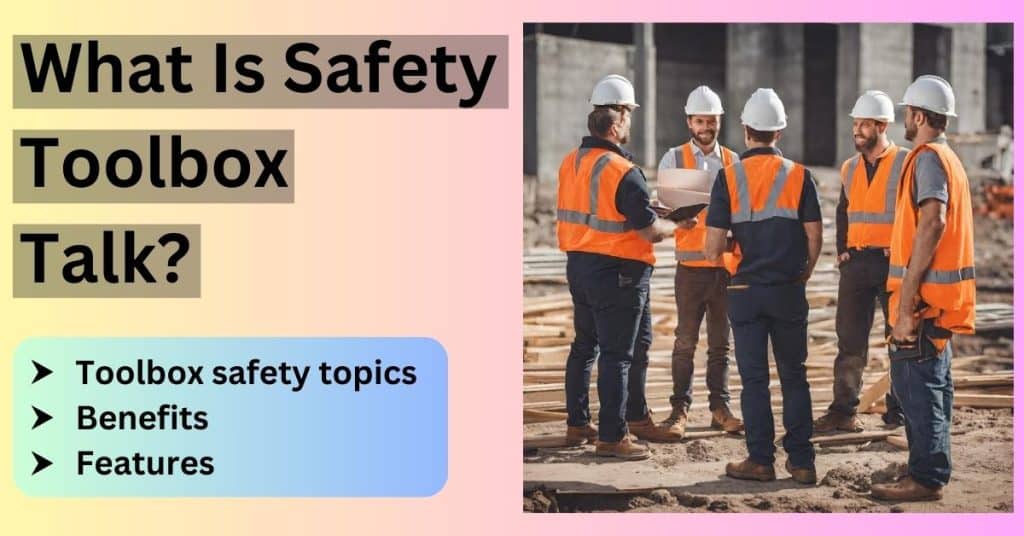
Enter the toolbox talk: a short, focused safety meeting that targets real-time risks, reinforces best practices, and keeps safety top of mind. But coming up with fresh, engaging content every week is a challenge—especially when budgets are tight.
The good news? High-quality toolbox talk topics don’t have to cost a dime. Free resources, industry templates, and practical frameworks make it possible to run impactful sessions without spending a cent. The key is knowing where to look and how to adapt topics to your team’s specific environment.
Here’s how to build a sustainable, free toolbox talk program that actually works.
Why Free Toolbox Talk Topics Matter
Toolbox talks are most effective when they’re frequent, relevant, and actionable. OSHA recommends daily or weekly safety meetings, especially when new hazards emerge or processes change. But many small to mid-sized companies lack dedicated safety personnel or training budgets.
Free topics bridge that gap. They allow teams to maintain consistent safety communication without financial strain. However, not all free content is created equal. Generic or outdated material leads to disengagement. The best free topics are:
- Specific to the work being done
- Action-oriented, not theoretical
- Easy to deliver in 10–15 minutes
- Supported with real-world examples
For instance, a talk on “slips, trips, and falls” gains traction when it references recent near-misses on your site—not just generic statistics.
Where to Find Reliable Free Toolbox Talk Topics
You don’t need a subscription service to access quality safety content. Several reputable sources offer free, downloadable toolbox talk templates:
- OSHA.gov
- The U.S. Occupational Safety and Health Administration provides free safety guides and topic suggestions across industries. Their publications on fall protection, PPE, and hazard communication are ideal for building structured talks.
- NIOSH (National Institute for Occupational Safety and Health)
- NIOSH offers science-backed materials on ergonomics, chemical exposure, and respiratory protection—especially useful for manufacturing and healthcare settings.
- CPWR – The Center for Construction Research and Training
- CPWR hosts a free Toolbox Talk Creator tool that lets you customize talks by trade, hazard, and language (including Spanish). Topics cover everything from silica exposure to ladder safety.
- Industry Associations
- Groups like the National Safety Council (NSC), Associated Builders and Contractors (ABC), and the American Road & Transportation Builders Association (ARTBA) publish free weekly or monthly safety talks.
- Equipment Manufacturers
- Companies like Caterpillar, DeWalt, and 3M often provide safety guides related to their products—ideal for equipment-specific talks on saws, lifts, or respiratory gear.
These sources not only offer free content but also ensure alignment with regulatory standards, reducing compliance risk.
10 High-Impact Free Toolbox Talk Topics (With Examples)
Here are ten proven topics you can use immediately—each adaptable to your worksite and available through free resources:
1. Proper Use of Personal Protective Equipment (PPE) Example: Walk through required PPE for current tasks. Show photos of correct vs. incorrect wear. Ask: “Who saw someone not wearing safety glasses yesterday?”
2. Ladder Safety Example: Demonstrate the 4-to-1 rule. Highlight recent incidents from OSHA reports. Inspect ladders on-site after the talk.
3. Fall Protection Awareness Example: Review harness inspection steps. Discuss anchor point requirements. Use a real harness to demonstrate D-ring placement.
4. Hand Injury Prevention Example: Focus on pinch points, glove selection, and machine guarding. Share a real case study from a similar worksite.
5. Heat Stress and Hydration Example: In summer months, review symptoms of heat exhaustion. Emphasize water breaks and buddy checks.
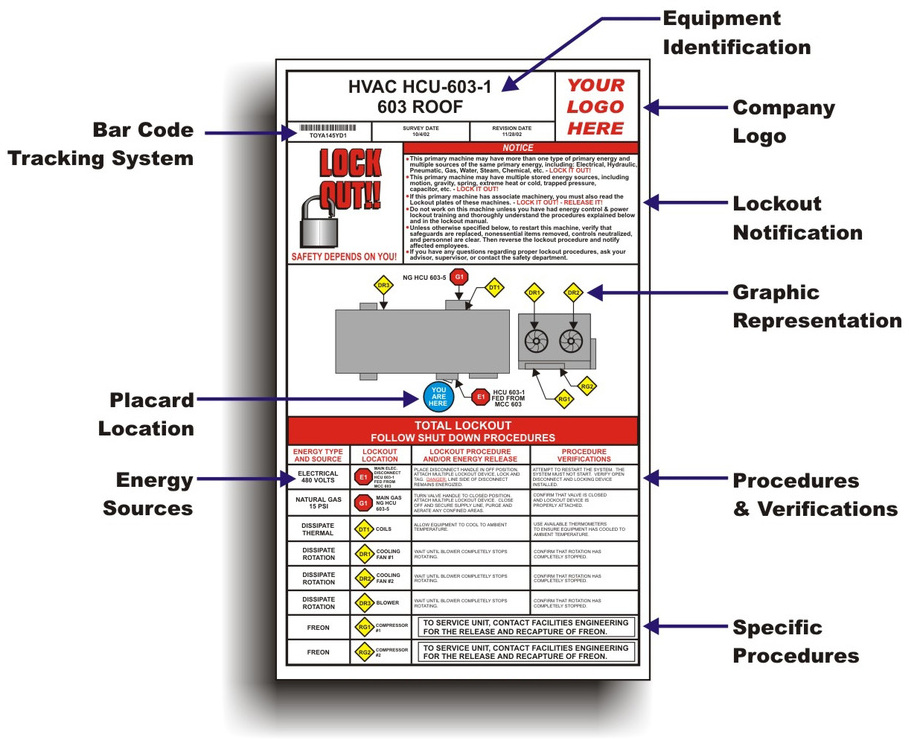
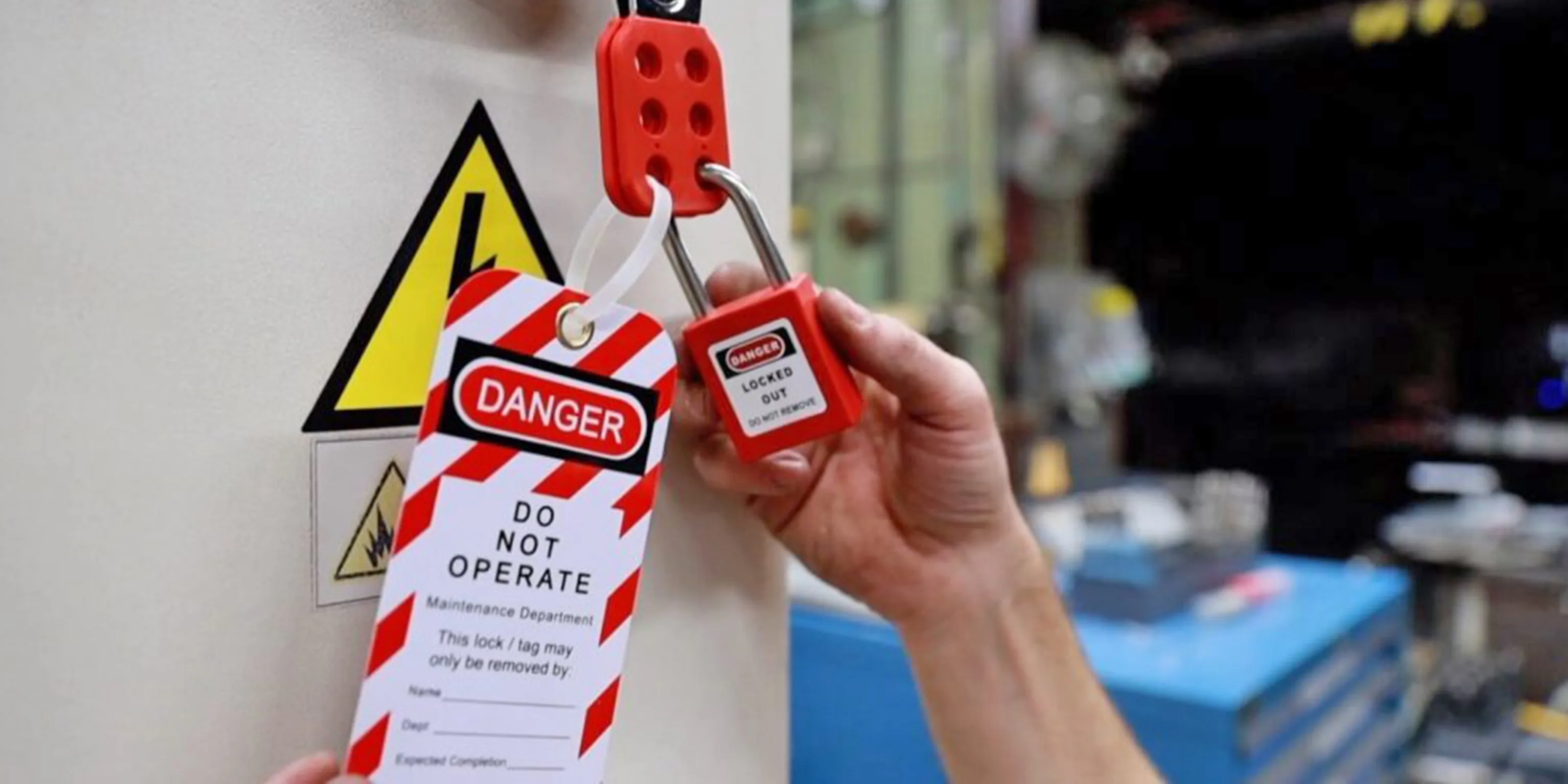
6. Electrical Safety Basics Example: Cover lockout/tagout procedures. Warn against using damaged cords. Demonstrate how to test a GFCI outlet.
7. Slips, Trips, and Falls Example: Walk the work area to identify clutter, wet surfaces, or uneven flooring. Assign cleanup duties on the spot.
8. Safe Lifting and Manual Handling Example: Teach the “lift with your legs” technique. Use a load to demonstrate proper posture. Address repetitive strain risks.
9. Fire Prevention and Extinguisher Use Example: Point out fire extinguisher locations. Explain PASS (Pull, Aim, Squeeze, Sweep). Conduct a quick demo with a training extinguisher.
10. Mental Health and Alertness Example: Discuss fatigue, stress, and impairment. Encourage workers to speak up if they or a teammate aren’t fit for duty.
Each of these topics can be sourced from free templates and customized in under 15 minutes.
How to Customize Free Topics for Maximum Impact
A downloaded template is just the starting point. To drive engagement and behavior change, personalize the content.
Adjust for Your Site’s Risks If you’re working on a roofing project, emphasize fall protection and weather-related hazards. In a warehouse, shift focus to forklift safety and aisle clearance.
Use Real Incidents Reference near-misses or past incidents (anonymously) to make the topic relatable. “Last week, someone tripped over an unmarked cable—let’s talk how to prevent that.”
Involve the Team Ask open-ended questions: - “What’s one hazard you’ve noticed this week?” - “Has anyone had a close call with scaffolding?”
This turns passive listeners into active participants.
Add Visuals Even simple tools help: hold up a hard hat, sketch a ladder angle on a whiteboard, or show a photo of improper PPE.
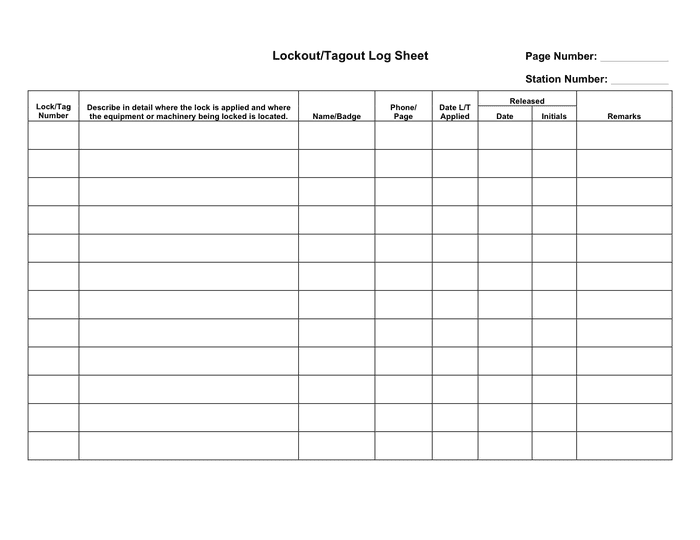
Document and Track Use a free sign-in sheet (Google Docs or printable PDF) to record attendance. This supports OSHA compliance and shows due diligence.
Common Mistakes That Undermine Free Toolbox Talks
Even with great topics, poor delivery kills effectiveness. Avoid these pitfalls:
- Repeating the Same Topics Monthly
- Workers notice repetition. Rotate topics and drill deeper—e.g., follow “PPE” with “When PPE Isn’t Enough.”
- Reading Directly from a Script
- It kills engagement. Use bullet points, not full paragraphs. Speak naturally.
- Ignoring Worker Feedback
- If crews say a talk wasn’t useful, adjust. Let them suggest topics—they know the real risks.
- Scheduling at Low-Energy Times
- Avoid right after lunch or at the end of shift. Morning huddles work best.
- Skipping Follow-Up
- A talk on ladder safety should be followed by ladder inspections. Tie discussion to action.
Building a Sustainable Free Toolbox Talk Program
Consistency beats perfection. A simple system beats a complex one you abandon.
Step 1: Create a 12-Week Topic Calendar Pull from free resources to map out topics by season and site phase. Example:
- Weeks 1–3: Site Setup (PPE, fire safety, emergency exits)
- Weeks 4–6: Structural Work (falls, scaffolding, lifting)
- Weeks 7–9: Mechanical/Electrical (lockout/tagout, confined spaces)
- Weeks 10–12: Finishing (dust, noise, chemical handling)
Step 2: Assign Rotating Leaders Let experienced workers lead occasional talks. It builds ownership and uncovers on-the-ground insights.
Step 3: Store and Reuse Content Keep a shared folder (Google Drive, Dropbox) with past topics, sign-in sheets, and photos. Reuse and refine.
Step 4: Audit Monthly Review which topics led to behavior changes. Did PPE compliance improve after the glove talk? Adjust based on results.
Final Thoughts: Safety Is a Conversation, Not a Lecture
Free toolbox talk topics aren’t just cost-saving tools—they’re access points to a stronger safety culture. The goal isn’t to check a compliance box. It’s to spark real dialogue, surface hidden risks, and empower workers to look out for each other.
Start with one solid topic this week. Customize it. Ask questions. Follow up. Do it again next week.
Over time, those short conversations compound into fewer incidents, higher engagement, and a workplace where safety isn’t enforced—it’s expected.
Frequently Asked Questions
What are the most common toolbox talk topics? Fall protection, PPE, ladder safety, hand injuries, and electrical hazards top the list—especially in construction and industrial settings.
Are free toolbox talk templates reliable? Yes, if sourced from trusted organizations like OSHA, NIOSH, or industry associations. Avoid unverified blogs or commercial sites with no citations.
How long should a toolbox talk last? Aim for 10–15 minutes. Long enough to cover a topic, short enough to hold attention.
Who should lead a toolbox talk? Supervisors typically lead, but experienced crew members can co-lead or present on specific hazards they’ve encountered.
Can toolbox talks be conducted in multiple languages? Absolutely. Use translated materials from sources like CPWR or OSHA’s Spanish-language guides to ensure understanding.
Do I need to document toolbox talks? Yes. Keep sign-in sheets with names, dates, topics, and signatures. This supports compliance during audits.
How often should toolbox talks be held? Weekly is ideal. Daily talks are recommended during high-risk phases like excavation or roofing.
FAQ
What should you look for in Top Free Toolbox Talk Topics for Safer Workplaces? Focus on relevance, practical value, and how well the solution matches real user intent.
Is Top Free Toolbox Talk Topics for Safer Workplaces suitable for beginners? That depends on the workflow, but a clear step-by-step approach usually makes it easier to start.
How do you compare options around Top Free Toolbox Talk Topics for Safer Workplaces? Compare features, trust signals, limitations, pricing, and ease of implementation.
What mistakes should you avoid? Avoid generic choices, weak validation, and decisions based only on marketing claims.
What is the next best step? Shortlist the most relevant options, validate them quickly, and refine from real-world results.