Safety doesn’t start with a policy—it starts with a conversation. And in high-risk environments like construction, manufacturing, or utilities, that conversation often happens during a toolbox talk. These short, focused safety meetings are essential for reinforcing safe behaviors, addressing hazards, and keeping compliance top of mind. The challenge? Finding relevant, actionable, and free toolbox talk topics that don’t feel repetitive or canned.
Most teams struggle with stale content, poor engagement, or lack of structure. Others default to generic PowerPoint slides that employees tune out. But the best toolbox talks are concise, situational, and driven by real-life risks. The good news: you don’t need a paid subscription or corporate training package to deliver high-impact talks. There’s a wealth of free, high-quality toolbox talk topics available—when you know where to look and how to use them.
This guide cuts through the noise and delivers practical, ready-to-use topics that resonate with crews, reduce incidents, and meet compliance standards—all without spending a dime.
Why Free Toolbox Talk Topics Matter
Budgets are tight. Deadlines are tighter. Yet safety can’t be an afterthought. Free toolbox talk topics remove financial barriers while maintaining quality. They’re especially valuable for small contractors, startups, or safety officers managing multiple sites with limited resources.
More importantly, free doesn’t mean low-value. Many reputable organizations—like OSHA, NIOSH, and industry associations—offer downloadable safety talk templates at no cost. These are vetted, compliant, and updated regularly. The key is selecting topics that match your site’s specific risks, not just grabbing the first PDF you find.
Common mistakes include: - Reusing the same 5 topics monthly - Skipping discussion and turning it into a lecture - Ignoring site-specific hazards in favor of generic content
The best free topics are adaptable. For example, a “slip, trip, and fall” talk should reference wet surfaces near your concrete pour, not just warehouse aisles. Customize the example, add a photo from your site, and ask crew members to share near-misses. That’s how free content becomes powerful.
10 High-Impact Free Toolbox Talk Topics (With Real-World Use)
These topics are consistently relevant, widely available for free, and proven to reduce incidents. Use them as standalone sessions or build them into a rotating 30-day safety plan.
#### 1. Proper Use of Personal Protective Equipment (PPE)
PPE is the last line of defense—but it’s often the first thing compromised. A common issue? Workers wearing hard hats backward or removing safety glasses during short tasks.
Use case: During a roofing project, a crew removed gloves to handle nails more easily. A supervisor used a free OSHA PPE checklist to lead a 10-minute talk on hand protection and shared a photo of a real laceration incident.
Free resources: - OSHA PPE standards guide (osha.gov) - CDC NIOSH PPE selection tool - Free printable PPE inspection checklist (safety+health magazine)
Pro tip: Bring in damaged PPE—show a cracked face shield or worn glove. Visuals make the message stick.
#### 2. Ladder Safety
Falls from ladders account for over 100 deaths annually in construction. Yet many workers still stand on the top rung or overreach sideways.
Use case: After a near-miss involving a wobbling extension ladder, a foreman used a NIOSH ladder safety talk to review the 4-to-1 ratio rule and three-point contact.
Key points to cover: - Inspect ladders before use - Never exceed weight limits - Maintain three points of contact - Secure the top and bottom
Free resource: NIOSH Ladder Safety app (iOS/Android) – includes printable job aids.
#### 3. Heat Stress Awareness
Often overlooked until someone collapses. Heat stress kills more workers than cold exposure in the U.S. each year.
Use case: In July, a landscaping crew had two workers show early signs of heat exhaustion. The site manager launched a weekly “Heat Safety” talk series using free content from the CDC.
What to include: - Recognizing symptoms (dizziness, nausea, cramps) - Hydration best practices - Work/rest schedules in high heat - Buddy system for monitoring
Free download: OSHA-NIOSH Heat Safety Tool app (adjusts guidance by ZIP code and temp)
#### 4. Electrical Safety Basics
From frayed cords to improper grounding, electrical hazards are everywhere—even on non-electrical jobs.
Use case: A maintenance team used a free electrical safety talk after finding a damaged extension cord powering a portable saw.
Critical reminders: - Inspect cords daily - Never bypass GFCI protection - Assume all lines are live - Use voltage testers
Free resource: NFPA 70E quick reference guides (available through electrical safety nonprofits)
#### 5. Working at Heights
Falls are the leading cause of construction deaths. A toolbox talk doesn’t need to be complex—focus on one key behavior.
Use case: During scaffold work, a safety officer used a 7-minute talk on harness anchor points, referencing a recent OSHA citation from a nearby site.
Discussion prompts: - Is your harness D-ring accessible? - Is your anchor rated and above you? - Who checks your setup?
Free source: OSHA Fall Prevention campaign materials (posters, talks, videos)
#### 6. Hand and Power Tool Safety
Small tools cause big injuries. Common issues include unguarded blades, improper storage, and lack of training.
Use case: After a worker nearly lost a fingertip to a table saw, a supervisor ran a tool safety talk using a free ANSI-compliant checklist.
Must-cover items: - Disconnect power before changing blades - Use push sticks and guards - Store tools securely - Report defects immediately
#### 7. Hazard Communication (HazCom)
Workers need to understand the chemicals they’re exposed to—even cleaning supplies.
Use case: A warehouse team used a free HazCom talk when switching to a new degreaser. They reviewed the SDS together and labeled secondary containers.
Key discussion points: - How to read a Safety Data Sheet (SDS) - GHS pictograms meaning - Proper labeling and storage
Free tool: OSHA’s Hazard Communication eTool (interactive, mobile-friendly)
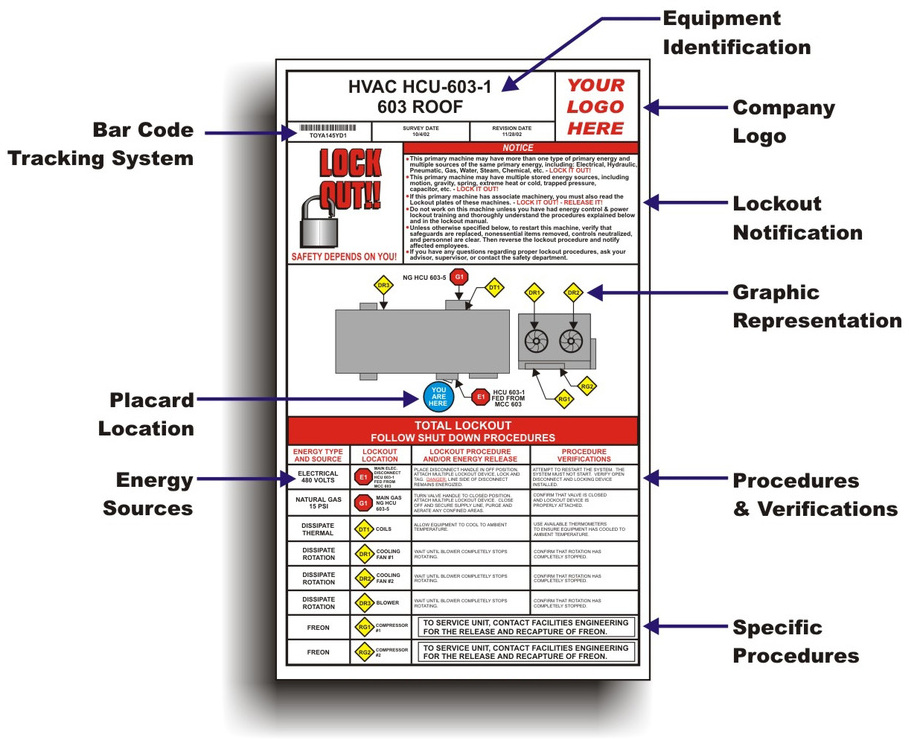
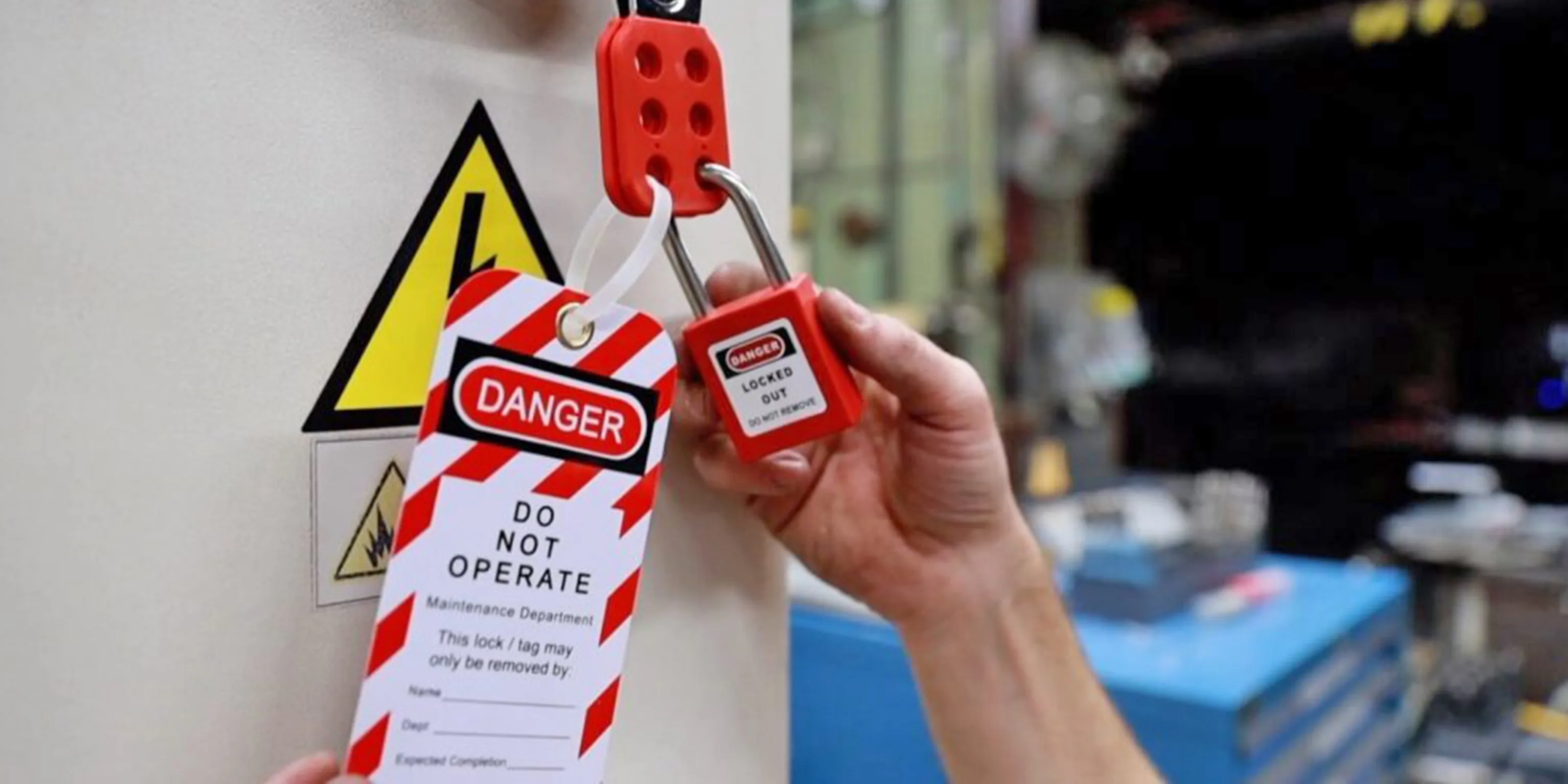
#### 8. Lockout/Tagout (LOTO)
One of OSHA’s most frequently cited standards. Misunderstanding LOTO procedures leads to amputations and fatalities.
Use case: A plant manager used a free LOTO talk after a machine started unexpectedly during maintenance.
Focus on: - Who can perform LOTO? - Energy isolation points - Group lockout procedures - Testing before restart
Free resource: OSHA LOTO interactive training modules
#### 9. Slips, Trips, and Falls (Ground Level)
Not just about height—most falls happen at ground level due to clutter, spills, or poor lighting.
Use case: In a manufacturing plant, a worker twisted an ankle on a misplaced hose. The next day’s toolbox talk focused on housekeeping using a free 5S checklist.

Actionable tips: - Clean as you go - Mark wet floors immediately - Keep walkways clear - Report damaged flooring
#### 10. Situational Awareness
This soft-skill topic ties everything together. Workers who stay aware avoid 80% of preventable incidents.
Use case: After a forklift nearly hit a worker, a supervisor led a talk using the “3 Seconds of Safety” method—pause, scan, act.
Discussion questions: - What changed on the site since yesterday? - Who’s in your blind spot? - What’s your escape route if something goes wrong?
Where to Find Free, Reliable Toolbox Talk Topics
You don’t need to write everything from scratch. Leverage trusted public sources:
- OSHA.gov – Full library of safety topics, fact sheets, and campaign materials (e.g., “Fall Prevention”, “Safe Skins” for sun safety)
- NIOSH (CDC) – Research-backed talks on heat stress, noise, ergonomics
- Construction Industry Institute (CII) – Free safety toolkits (registration required, no cost)
- Safety+Health Magazine – Monthly free toolbox talk downloads
- Canadian Centre for Occupational Health and Safety (CCOHS) – Multilingual, printable PDFs
Pro tip: Bookmark these sites and assign a team member to download and adapt one topic per week.
Avoid random blog posts or PDFs without citations. Stick to .gov, .org, or industry-recognized sources.
How to Run a Better Toolbox Talk (Even
with Free Content)
Free topics are only as good as the delivery. A great talk is interactive, specific, and time-bound.
Do this: - Keep it under 15 minutes - Start with a real incident or near-miss - Ask open-ended questions (“What would you do if…?”) - Assign a quick action (“Check your harness today”) - Document attendance and topic
Don’t do this: - Read verbatim from a script - Schedule talks during shift end (rushing kills engagement) - Skip follow-up
- Example workflow:
- Monday AM: Download free “Eye Protection” talk from OSHA
- Tuesday 7:10 AM: Gather crew, show photo of debris in eye
- Ask: “When did you last replace scratched safety glasses?”
- Hand out inspection checklist
- Sign log, post reminder near PPE station
Closing: Make Safety Conversational, Not Compliance-Driven
Free toolbox talk topics are only the starting point. The real value comes from turning them into real dialogue. Choose relevant subjects, customize with on-site examples, and encourage participation. Safety improves not when rules are posted—but when they’re discussed.
Start with one free topic this week. Use a template from OSHA or NIOSH. Tailor it to yesterday’s close call. Ask questions. Listen. Repeat.
That’s how you build a culture where safety isn’t scheduled—it’s expected.
FAQ
Where can I get free toolbox talk templates? OSHA.gov, NIOSH, and Safety+Health Magazine offer free, downloadable templates for common hazards.
Are free toolbox talks OSHA-compliant? Yes, if they cover required topics like PPE, fall protection, or hazard communication—and are documented.
How often should toolbox talks be held? Weekly is ideal. At minimum, monthly—but more frequent for high-risk tasks.
Can I customize free toolbox talk topics? Absolutely. Add site-specific photos, incidents, or procedures to increase relevance.
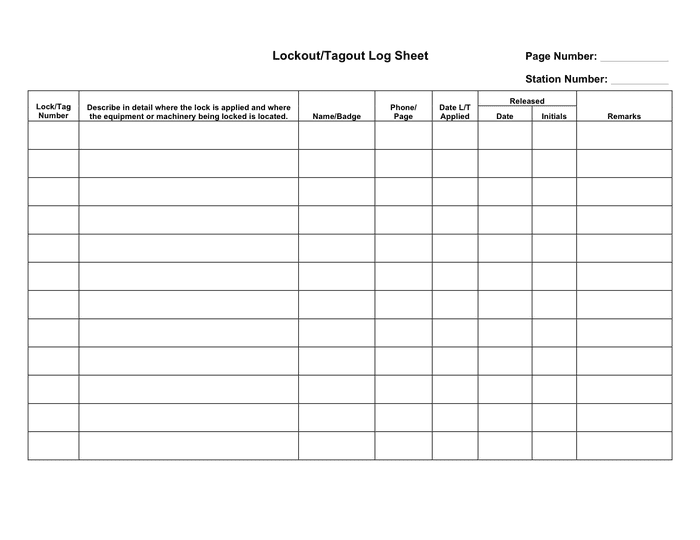
Do toolbox talks need to be recorded? Yes. Keep an attendance log with topic, date, and supervisor signature for audits.
Who should lead a toolbox talk? Supervisors, foremen, or safety officers—but encourage crew participation.
How long should a toolbox talk last? Aim for 10–15 minutes. Focus on one clear topic and actionable takeaway.
FAQ
What should you look for in Top Free Toolbox Talk Topics for Workplace Safety? Focus on relevance, practical value, and how well the solution matches real user intent.
Is Top Free Toolbox Talk Topics for Workplace Safety suitable for beginners? That depends on the workflow, but a clear step-by-step approach usually makes it easier to start.
How do you compare options around Top Free Toolbox Talk Topics for Workplace Safety? Compare features, trust signals, limitations, pricing, and ease of implementation.
What mistakes should you avoid? Avoid generic choices, weak validation, and decisions based only on marketing claims.
What is the next best step? Shortlist the most relevant options, validate them quickly, and refine from real-world results.