When machinery needs servicing, one slip in safety protocol can lead to irreversible consequences. That’s where locks for lockout tagout (LOTO) come in—not as a formality, but as a frontline defense against unexpected energization, startup, or release of stored energy. Yet, too many organizations treat LOTO locks like generic hardware: interchangeable, one-size-fits-all, and low-priority. In reality, the wrong lock can compromise the entire system.
The lock is the final physical barrier between maintenance workers and danger. Choosing the wrong type, material, or mechanism isn’t just inefficient—it’s a liability. This guide cuts through the noise to show you how to select, apply, and manage locks for lockout tagout with precision, real-world context, and compliance in mind.
Why Locks Are the Core of LOTO Programs
Lockout tagout isn’t just about placing a tag on a switch. The lock is what enforces the “lockout” part—ensuring that only the authorized employee who applied it can remove it. Tags are warnings; locks are enforcement.
OSHA standard 29 CFR 1910.147 mandates that energy-isolating devices be capable of being locked out. If a machine lacks a built-in locking point, employers must use alternative methods—like hasps, valve locks, or circuit breaker locks—that accept padlocks.
A common mistake? Assuming any padlock will do. Many facilities use standard hardware-store locks that lack durability, key control, or visual identification features. The result? Increased risk, inconsistent enforcement, and audit failures.
Consider a real-world case: a manufacturing plant using chrome-finished padlocks for LOTO. Over time, locks corroded in a humid environment, making them difficult to unlock—or worse, impossible. Maintenance delays followed. Workers began bypassing procedures. A near-miss incident occurred when a lock failed during removal. The fix? Switching to corrosion-resistant nylon locks with weatherproof housings and standardized keying.
The lock isn’t an accessory. It’s a critical control point.
Types of Locks for Lockout Tagout
Not all LOTO locks serve the same purpose. Selecting the right type depends on the energy source, access point, and environment. Here are the most common categories:
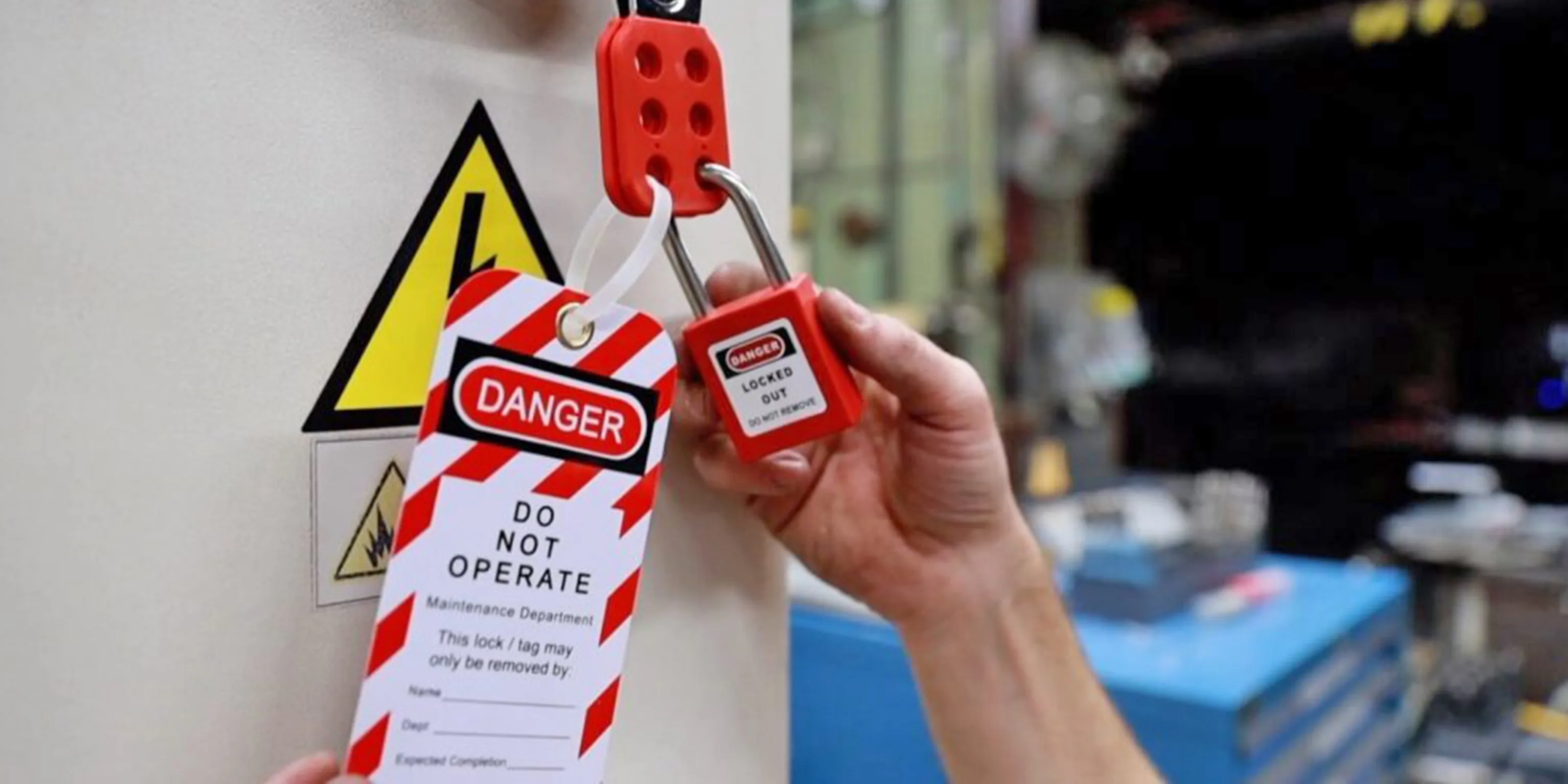
#### Padlocks for General Use These are the most widely used. Designed specifically for LOTO, they feature: - Non-conductive bodies (nylon or polycarbonate) - Shrouded shackles to prevent bolt cutters - Standardized keying (often keyed-alike for teams) - Bright colors for visibility (red is most common)
They attach to lockout hasps, breaker lockouts, or valve locks.
#### Cable Locks Ideal for irregularly shaped isolators or multiple energy sources. A flexible steel cable threads through disconnect points and locks into place. Useful for: - Bundled wires or multi-pole disconnects - Equipment without standardized lock points - Outdoor applications where rigidity is a problem
Cable diameter and UV resistance matter—especially in industrial outdoor settings.

#### Valve Lockout Devices Valves are common energy sources (steam, gas, hydraulic fluid). Standard padlocks can’t secure most valve handles. Instead, use: - Ball valve lockouts - Gate valve covers - Drum valve clamps
These devices physically block handle movement and have built-in lock points.
#### Plug and Receptacle Locks Used when disconnecting electrical cords. These locks encase the plug, preventing reinsertion. Common in: - Portable equipment maintenance - Lab environments - Facilities with frequent equipment swaps
They often accommodate multiple locks for group lockout scenarios.
#### Breaker Lockouts Circuit breakers are tricky—many don’t have built-in padlock points. Breaker lockout devices slide over the switch, holding it in the “off” position. Sizes vary by breaker type (single, tandem, 3-phase). Always verify compatibility with your panel.
Each lock type must be durable, standardized, and easily identifiable. Mixing consumer-grade hardware with safety procedures undermines the entire system.
Key Features That Define Effective LOTO Locks
Beyond type, specific features separate functional LOTO locks from risky compromises.
#### Shackle Material and Design - Stainless steel resists corrosion and cutting—critical in chemical or outdoor environments. - Nylon-coated shackles reduce sparking risk in flammable atmospheres. - Shrouded shackles prevent bolt cutter access, a must in shared or high-risk areas.
#### Lock Body Construction All-plastic (nylon) bodies are non-conductive and lightweight. They won’t conduct electricity if accidentally bridged across live components. Metal-bodied locks, even if “safety-rated,” pose a risk in electrical lockout.
#### Key Retention Some locks require the key to remain in place until the shackle is locked. This prevents accidental unlocking or lost keys during shift changes. Particularly useful in group lockout/tagout procedures.
#### Color Coding and Labeling OSHA doesn’t mandate color, but red is the industry standard for danger. Facilities often use color-coded locks to indicate departments, roles, or lockout types: - Red: General lockout - Yellow: Warning or caution - Blue: Contractor or external maintenance - Green: Equipment-specific control
Labels with employee names, dates, or work orders add traceability. Avoid handwritten tags—use printed, weather-resistant labels.
#### Key Control Systems Uncontrolled keys defeat the purpose of lockout. Master-keyed systems or unrestricted key duplication create vulnerabilities. Best practices include: - Single-keyed locks (one key per employee) - Restricted keyways (only available through manufacturer) - Key management boards with sign-out logs
Common Mistakes
with LOTO Locks (And How to Fix Them)
Even experienced teams make errors. Here are frequent missteps and their solutions:
1. Using Personal Locks for Temporary Tasks Employees sometimes use their LOTO locks for non-LOTO purposes—securing toolboxes or lockers. This leads to lost or damaged locks. Fix: Issue separate personal storage locks. LOTO locks should never leave the lockout station.
2. Sharing Locks Among Employees If a worker forgets their lock, another may lend theirs. This violates the “authorized employee” rule. Fix: Maintain spare locks at lockout stations with clear check-out procedures.

3. Using Damaged or Modified Locks Cracked bodies, bent shackles, or filed keys compromise security. Fix: Implement a lock inspection program. Remove damaged locks immediately.
4. Ignoring Environmental Conditions A lock that works indoors may fail in freezing temperatures or corrosive atmospheres. Fix: Audit lock types against worksite conditions. Use weatherproof or chemical-resistant models where needed.
5. Poor Lockout Station Organization Disorganized lock stations lead to delays and improper use. Fix: Store locks in labeled bins with checklists, tags, and PPE reminders nearby.
Top 5 LOTO Locks for Industrial Use
When selecting individual products, prioritize durability, compliance, and ease of integration. Here are five reliable options widely used across industries:
| Product | Type | Key Features | Best For |
|---|---|---|---|
| Grace 459001 Safety Padlock | Padlock | 1.5" nylon body, 3/16" shrouded shackle, key retaining | General-purpose indoor LOTO |
| Seton 72659 Cable Lockout | Cable Lock | 6 ft. stainless steel cable, UV-resistant, single lock point | Outdoor equipment, irregular isolators |
| Johnson Controls LOTO-VALVE-1 | Ball Valve Lockout | Adjustable clamp, accepts two padlocks | Natural gas, water, steam lines |
| Safeguard Supplies SG-PL-20 | Plug Lockout | Fits standard NEMA plugs, dual-lock capability | Electrical maintenance teams |
| Kantorp KTL-3PH-20 | Breaker Lockout | Fits 3-phase breakers up to 20A, polycarbonate body | Electrical panels, industrial control rooms |
These models represent proven solutions across manufacturing, energy, and facilities management. Always verify compatibility with your equipment before rollout.
Integrating Locks into a Full LOTO Workflow
A lock isn’t effective in isolation. It must fit within a documented energy control procedure. Here’s how to integrate locks properly:
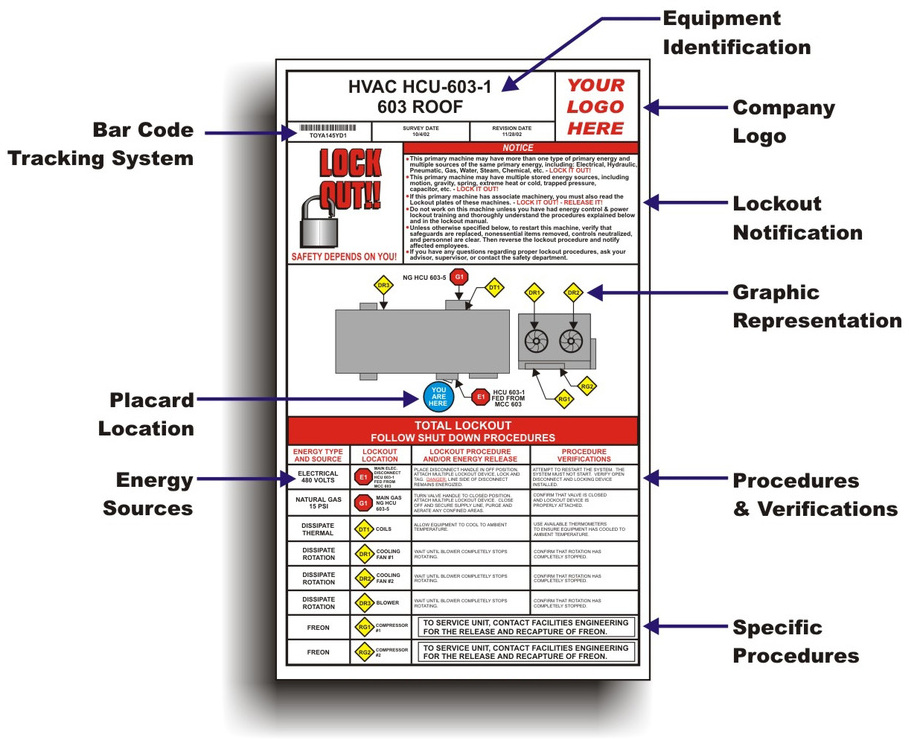
- Identify Energy Sources – Walk the equipment. List electrical, pneumatic, hydraulic, thermal, and gravitational sources.
- Select Lockout Points – Determine where isolators can be physically locked (disconnects, valves, switches).
- Choose Correct Locks – Match lock type to each point (padlock, cable, valve lock, etc.).
- Train Employees – Ensure authorized personnel know how to apply and remove locks, and understand the hierarchy of control.
- Use Tags Consistently – Tags should include employee name, date, reason for lockout, and expected duration.
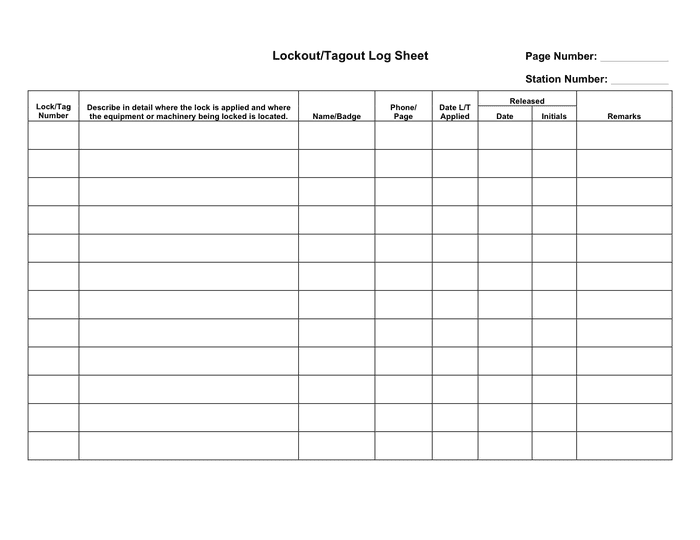
- Inspect and Audit – Monthly checks of lock condition, usage, and procedure adherence prevent drift.
A well-run LOTO program treats locks as part of a system—not an afterthought.
Final Considerations: Durability, Compliance, and Culture
The best locks won’t save a weak safety culture. But high-quality, purpose-built LOTO locks reinforce the seriousness of the procedure. They signal that safety isn’t negotiable.
Durability matters—especially in 24/7 operations where locks may remain in place for hours or days. Choose materials that withstand your environment. Avoid cheap alternatives that degrade quickly.
Compliance isn’t just about OSHA. Insurance auditors, third-party contractors, and internal safety reviews all scrutinize LOTO practices. A single missing or damaged lock can trigger citations or coverage issues.
More importantly, every lock is a message: “This machine is not to be operated.” Make sure that message is clear, reliable, and respected.
Equip your team with the right locks, train them thoroughly, and audit consistently. Safety isn’t a checklist—it’s a standard. Start with the lock, and build from there.
FAQ
What should you look for in Choosing the Right Locks for Lockout Tagout Procedures? Focus on relevance, practical value, and how well the solution matches real user intent.
Is Choosing the Right Locks for Lockout Tagout Procedures suitable for beginners? That depends on the workflow, but a clear step-by-step approach usually makes it easier to start.
How do you compare options around Choosing the Right Locks for Lockout Tagout Procedures? Compare features, trust signals, limitations, pricing, and ease of implementation.
What mistakes should you avoid? Avoid generic choices, weak validation, and decisions based only on marketing claims.
What is the next best step? Shortlist the most relevant options, validate them quickly, and refine from real-world results.