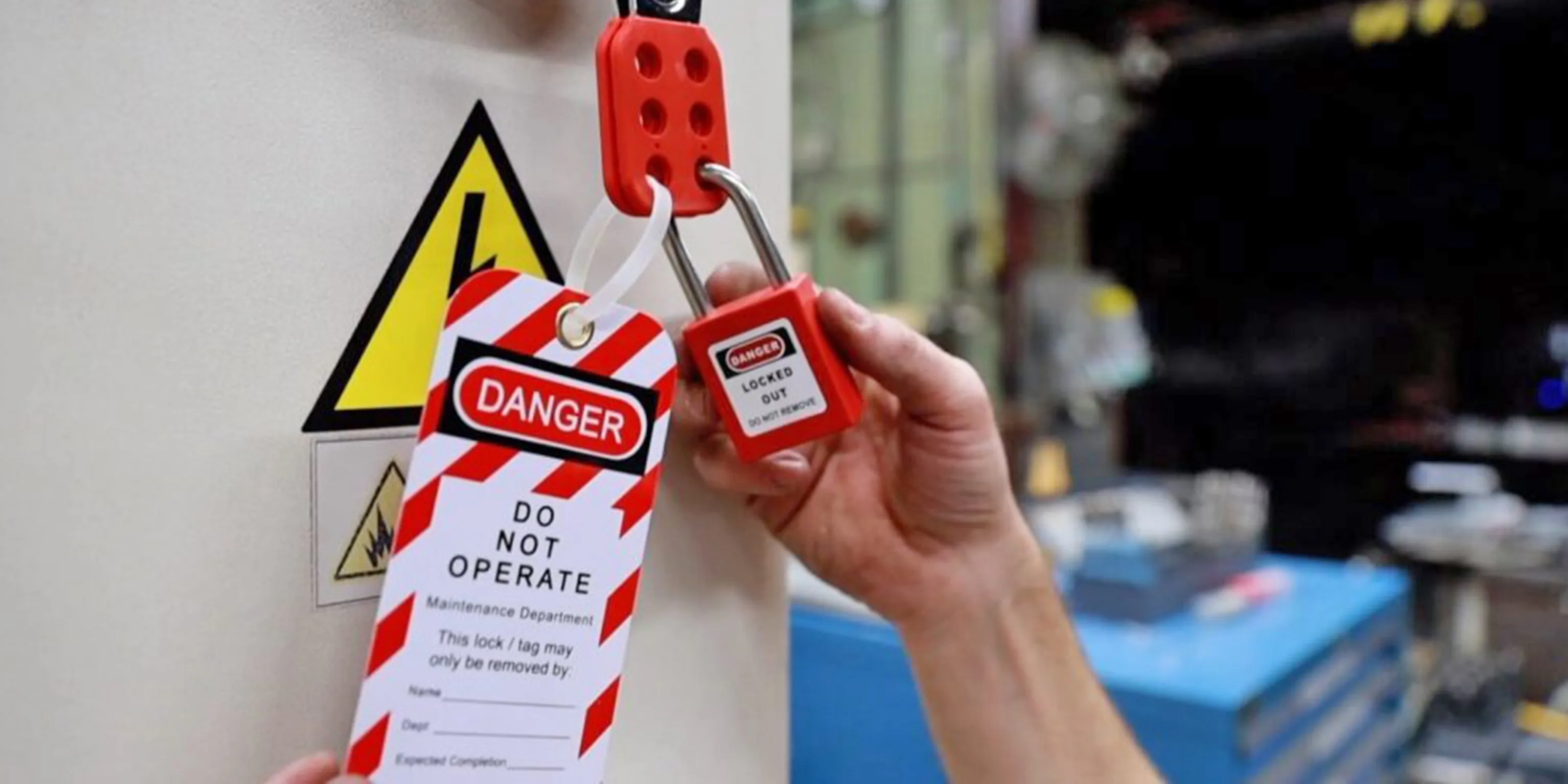
A technician reaches for a circuit panel. The machine nearby is off, but no one knows if it’s truly de-energized. That hesitation—and the risk behind it—is exactly why lockout tagout station signs exist. These aren’t just labels on a wall. They’re visual commands that enforce accountability, communicate danger, and anchor a culture of safety where split-second decisions matter.
In industrial environments, confusion around equipment status can lead to electrocution, crushing, or unexpected startup injuries. Lockout tagout (LOTO) station signs eliminate ambiguity. They direct authorized employees to proper lockout points, warn untrained personnel, and reinforce procedural discipline. But too often, they’re treated as afterthoughts—generic stickers slapped on cabinets. That’s a gamble. When compliance and clarity merge, these signs become part of a living safety system.
This guide breaks down what makes LOTO station signs effective, where they should go, what standards govern them, and how poor execution undermines even the best procedures.
What Are Lockout Tagout Station Signs?
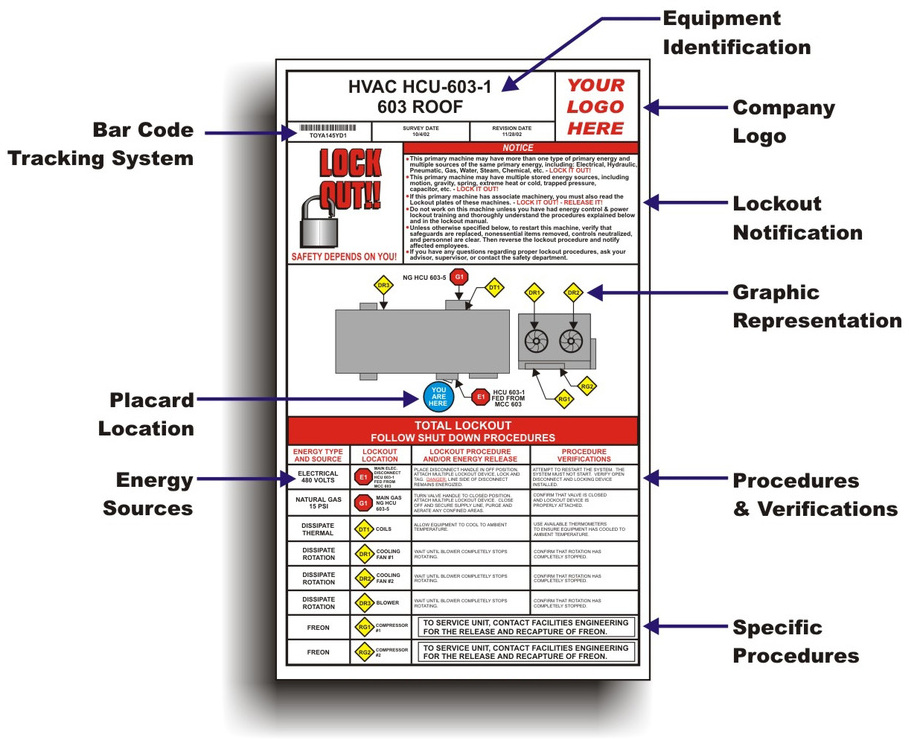
Lockout tagout station signs are permanent, highly visible markers that identify the location of lockout points, procedures, or equipment requiring energy control. Unlike temporary tags, which are attached directly to machines during maintenance, station signs are fixed installations that guide personnel to the right protocols before work begins.
They serve three core functions: - Directional guidance: Show where lockout devices, procedure binders, or energy isolation points are stored. - Procedural reinforcement: Outline steps for compliance or reference specific safety protocols. - Compliance signaling: Prove that a site takes OSHA-mandated energy control seriously.
Think of them as the “welcome mat” to a safe maintenance process. Without them, workers waste time hunting for procedures, take shortcuts, or assume equipment is safe when it’s not.
Why Station Signs Are Non-Negotiable in LOTO Programs
A lockout program isn’t just about locks and tags—it’s about systems. And systems need signposts. Here’s why station signs are mission-critical:
1. Reduce Human Error Workers under pressure may bypass steps if they can’t quickly locate lockout stations. A well-placed sign cuts search time and reduces the temptation to improvise.
2. Support Multi-Craft Environments In facilities with electricians, mechanics, and contractors, not everyone knows where every disconnect is. Standardized signage creates a shared language.
3. Reinforce Training Seeing a sign daily reinforces procedures. It acts as a visual reminder of policy, especially for new or temporary staff.
4. Pass Audits with Confidence OSHA inspectors look for clear evidence of energy control programs. Posted signs showing lockout locations and procedures demonstrate proactive compliance.
One manufacturing plant reduced LOTO-related near-misses by 68% within six months of upgrading its station signage—adding diagrams, multilingual labels, and QR codes linking to digital procedures.
OSHA and ANSI Standards for LOTO Signs
Regulatory compliance isn’t optional. But the rules for LOTO signs aren’t always spelled out in detail, leading to confusion.
OSHA 1910.147 – The Core Rule OSHA’s Control of Hazardous Energy standard requires: - Identification of energy isolation points. - Use of durable, standardized tags and labels. - Procedures that are “readily available” to authorized employees.
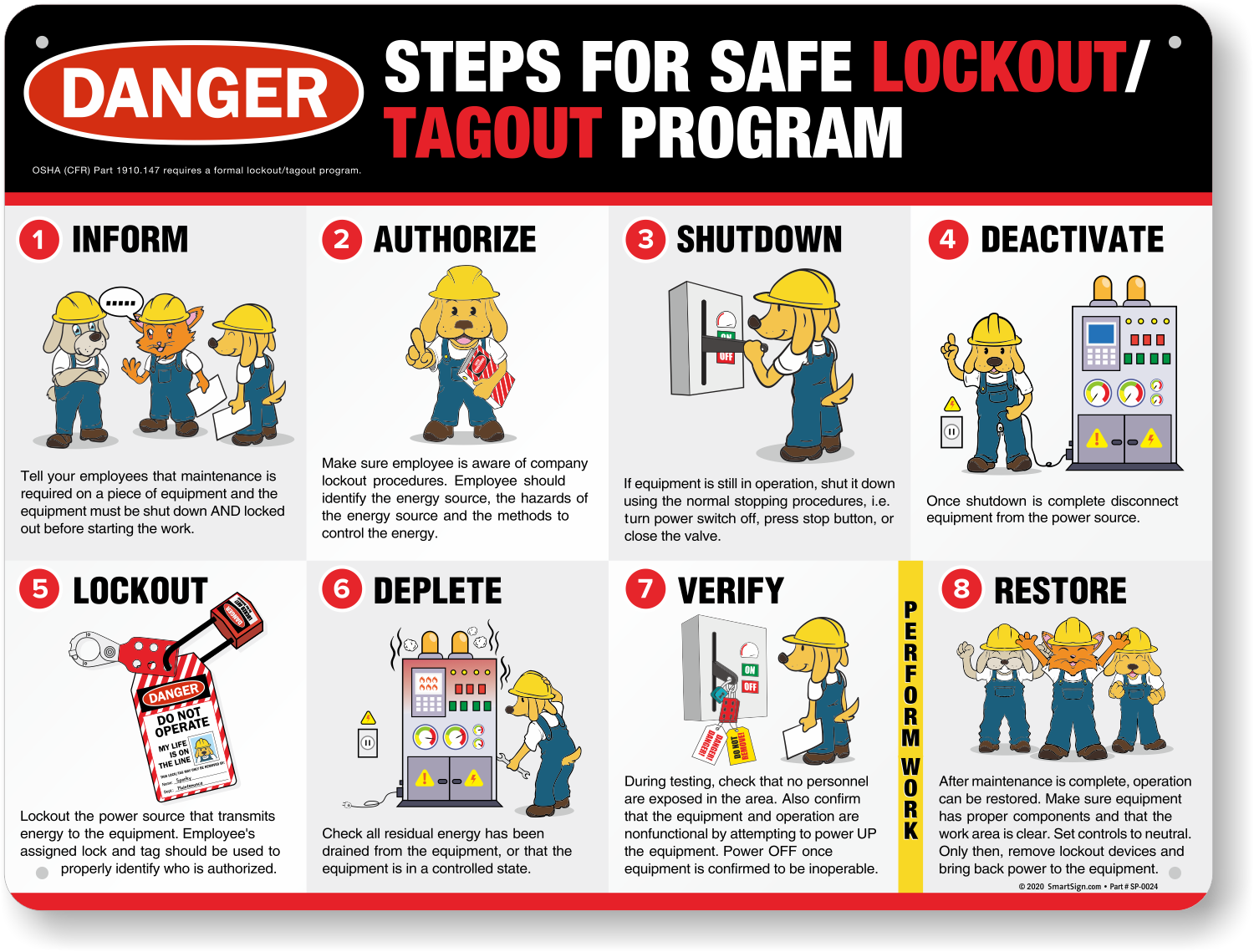
While OSHA doesn’t specify font size or color codes for station signs, it expects them to be noticeable and unambiguous.
ANSI Z535.2 – The Design Standard
This is where the details live. ANSI Z535.2 outlines how safety signs should be designed for maximum clarity: - Signal Words: DANGER, WARNING, CAUTION—each with defined use cases. - Color Coding: Red for danger, orange for warning, yellow for caution. - Symbols: Use of ISO-standard pictograms to transcend language barriers. - Text Hierarchy: Clear headlines, concise body copy, and legible fonts.
For LOTO station signs, ANSI recommends: - Minimum 1-inch tall headers. - High-contrast backgrounds (e.g., white text on red). - Permanent mounting at eye level near access points.
A sign that says “Lockout Procedures Stored Here” in 10-point gray text on a beige background? That’s a compliance risk. One that says “DANGER – LOCKOUT STATION” in bold white on red with a padlock icon? That’s enforceable.
Types of LOTO Station Signs and Where to Use Them
Not all signs serve the same purpose. Deploying the right type in the right location prevents confusion and delays.
1. Lockout Station Locator Signs
These direct workers to the physical location of lockout kits, hasp stations, or procedure binders. Best placed: Near main entrances, high-traffic corridors, or equipment zones. Example: “LOCKOUT PROCEDURES – ROOM 2B” with an arrow.
2. Procedure Instruction Signs Display step-by-step LOTO processes. Ideal for complex machinery with multiple energy sources. Best placed: Adjacent to control rooms or group lockout boards. Tip: Use numbered steps and icons (e.g., “1. Shut Off Power → 2. Isolate Valve → 3. Apply Lock”).
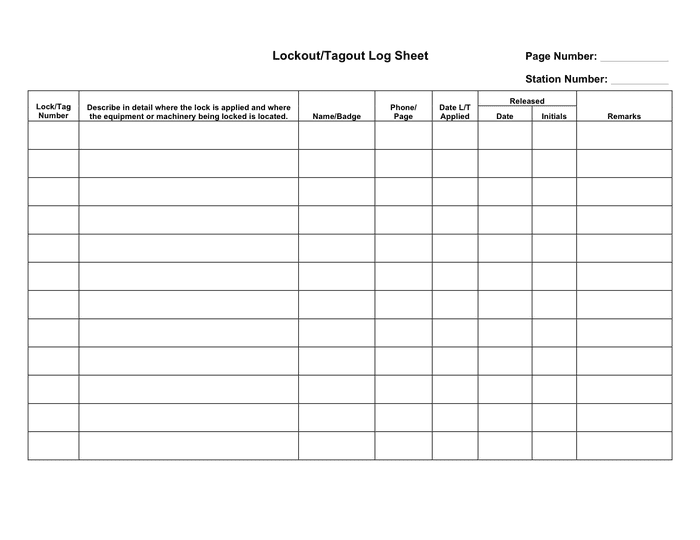
3. Group Lockout Board Signs Mark centralized lockout stations where multiple workers apply locks during team maintenance. Best placed: Above shared lockout boards with space for 10+ locks. Include: Instructions for removing locks, verification steps, and emergency contacts.
4. Equipment-Specific Reference Signs Link to machine-specific LOTO procedures. Often include QR codes or procedure numbers. Best placed: On or near the machine, pointing to the master control panel. Real-world use: A conveyor system with “LOTO PROCEDURE #C22” and a scannable code.
5. Training and Compliance Reminder Signs General awareness messages. Not procedural, but cultural. Examples: “One Lock, One Key, One Person” or “No Maintenance Without Lockout.” Best placed: Break rooms, timeclock areas, or safety bulletin boards.
Common Mistakes That Undermine LOTO Sign Effectiveness
Even compliant signs fail when basic principles are ignored.
Mistake 1: Poor Visibility Mounting signs behind doors, above 7 feet, or in dimly lit areas renders them useless. Fix: Install at eye level (4–6 feet), in well-lit zones, with no obstructions.
Mistake 2: Outdated or Generic Messaging A sign that says “Follow Lockout Procedures” without specifying where or how is vague. Fix: Be specific. Include room numbers, procedure IDs, or QR links.
Mistake 3: Ignoring Multilingual Workforces In facilities with Spanish, Vietnamese, or Tagalog speakers, English-only signs create risk. Fix: Use bilingual text or rely on universal pictograms.
Mistake 4: Using Temporary Labels as Permanent Signs Masking tape, handwritten notes, or laminated paper sheets degrade and don’t meet durability standards. Fix: Use aluminum, vinyl, or polycarbonate signs with UV-resistant printing.

Mistake 5: No Maintenance Plan Faded, scratched, or missing signs go unnoticed until an audit or incident. Fix: Add sign inspections to quarterly safety checks. Replace damaged units immediately.
Best Practices for Designing and Installing LOTO Station Signs
A high-impact sign combines regulatory compliance with real-world usability.
1. Prioritize Readability Use sans-serif fonts (e.g., Helvetica, Arial), minimum 18-point text for body copy, and strong contrast. Test visibility from 10 feet away.
2. Integrate Visual Symbols A padlock icon, lightning bolt, or gear symbol increases comprehension by 40% (per ANSI research). Pair with text for maximum clarity.
3. Use Durable Materials
- Indoor: Vinyl or rigid plastic.
- Outdoor or harsh environments: Anodized aluminum or UV-coated polycarbonate.
4. Standardize Across Facilities One plant shouldn’t use red signs while another uses blue. Uniform design reduces confusion during cross-site work.
5. Add Digital Layers Embed QR codes linking to:
- Digital LOTO procedures.
- Training videos.
- Lockout equipment inventory.
One refinery saw a 50% reduction in procedure lookup time after adding QR codes to all station signs.
Real-World Use Cases: Where LOTO Signs Prevented Incidents
Case 1: Chemical Plant Avoids Steam Burn A maintenance tech arrived to service a valve. The LOTO station sign near the control room showed a diagram of isolation points and a warning: “STEAM LINE – 250 PSI.” He noticed a missing lock and halted work—preventing a scalding incident when a colleague unknowingly re-energized the line.
Case 2: Automotive Assembly Line Stops Close Call During a shift change, a new technician approached a robotic arm. The LOTO sign included a QR code. Scanning it revealed an active lockout in progress. He waited—avoiding a potential crush injury.
Case 3: Food Processing Facility Passes Surprise Audit An OSHA inspector requested LOTO procedures. The supervisor pointed to a station sign with “PROCEDURES – ROOM 3 LOCKER 4” and a map. Documents were retrieved in under 2 minutes. No citations were issued.
Choose the Right LOTO Station Signs for Your Site
Not all signs are equal. The following five suppliers offer durable, code-compliant options trusted in industrial settings:
| Brand | Material Options | Key Feature | Best For |
|---|---|---|---|
| Brady | Aluminum, vinyl, polyester | Custom printing, ANSI-compliant templates | High-volume, multi-site operations |
| Grainger | Polycarbonate, aluminum | In-stock availability, bilingual options | Quick replacements, urgent needs |
| Seton | Self-adhesive vinyl, rigid plastic | Pre-designed LOTO kits with signs | Small to mid-sized facilities |
| SafetySign.com | Aluminum, magnetic, glow-in-dark | Industry-specific bundles (e.g., electrical, chemical) | Specialized environments |
| Justrite | Weather-resistant aluminum | Integrated lockout board signs | Outdoor or washdown areas |
Look for suppliers that offer free design reviews and compliance checks. Many let you upload facility maps to position signs accurately.
Closing: Make LOTO Station Signs Part of Your Safety Nerve System
Lockout tagout station signs aren’t bureaucratic formalities. They’re operational safeguards that bridge policy and practice. When designed well, placed strategically, and maintained consistently, they do more than comply—they prevent.
Start by auditing your current signage. Is it visible? Specific? Durable? Does it guide, or just decorate? Replace vague messages with actionable clarity. Use symbols, QR codes, and multilingual support where needed.
Your lockout program is only as strong as its weakest link. Make sure that link isn’t a missing sign.
FAQ
What should you look for in Lockout Tagout Station Signs: Your First Line of Defense? Focus on relevance, practical value, and how well the solution matches real user intent.
Is Lockout Tagout Station Signs: Your First Line of Defense suitable for beginners? That depends on the workflow, but a clear step-by-step approach usually makes it easier to start.
How do you compare options around Lockout Tagout Station Signs: Your First Line of Defense? Compare features, trust signals, limitations, pricing, and ease of implementation.
What mistakes should you avoid? Avoid generic choices, weak validation, and decisions based only on marketing claims.
What is the next best step? Shortlist the most relevant options, validate them quickly, and refine from real-world results.