Every year, hundreds of workers suffer serious injuries—or worse—during equipment servicing because machinery was accidentally re-energized. The simple solution? A properly equipped lockout and tagout kit. These kits are not just tools—they’re frontline defenses in industrial, manufacturing, and maintenance environments where uncontrolled release of energy poses real danger.
A lockout and tagout (LOTO) kit standardizes the process of disabling machinery and preventing unexpected startup during service or repair. When used correctly, it ensures that hazardous energy sources—electrical, hydraulic, pneumatic, mechanical, or chemical—are isolated and secured.
This isn’t just about checking a compliance box. It’s about creating a culture where safety is procedural, visible, and non-negotiable.
What Is a Lockout and Tagout Kit?
A lockout and tagout kit is a curated collection of devices and labels designed to isolate energy sources and communicate that equipment is unsafe to operate. At its core, the kit supports the Lockout/Tagout procedure mandated by OSHA 29 CFR 1910.147, which requires employers to establish a formal energy control program.
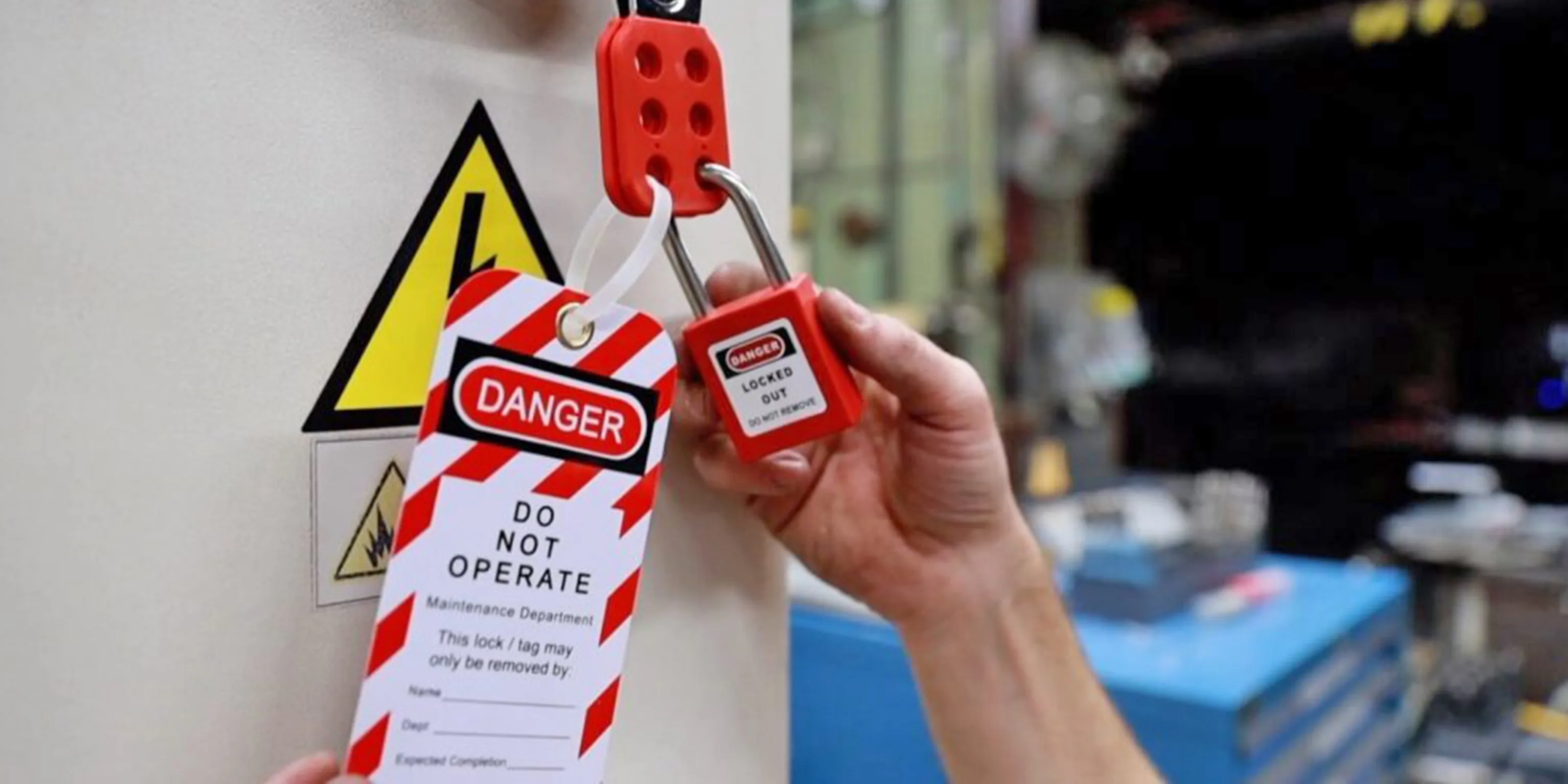
The "lockout" part involves physically locking energy-isolating devices—like circuit breakers or valve handles—so they can't be turned on. The "tagout" component uses warning tags to inform others that equipment is under maintenance and should not be operated.
While tags alone can serve as warnings, OSHA requires that lockout devices be used whenever possible because they provide a physical barrier to re-energization.
Why Kits Matter More Than Individual Components
Purchasing individual locks or tags might seem cost-effective, but pre-assembled LOTO kits offer critical advantages:
- Standardization – Everyone uses the same tools, reducing confusion.
- Completeness – Ensures all necessary components are on hand.
- Portability – Technicians can carry full kits to the point of service.
- Accountability – Each worker has their own lock and tag, tied to their ID.
Without a standardized kit, procedures become inconsistent—leading to gaps in safety.
Core Components of a Complete LOTO Kit
A proper lockout and tagout kit isn’t one-size-fits-all. It must be tailored to your facility’s machinery and energy types. However, most effective kits contain these essential elements:
1. Personal Locks (Padlocks) Each authorized employee should have their own lock—usually a keyed-alike or keyed-different padlock made of durable materials like steel or brass. These are often color-coded by department or role.
Pro Tip: Use locks that only the employee can open. Never share keys.
2. Lockout Hasps and Clamps Hasps allow multiple locks to be applied to a single energy isolation point—critical during group maintenance. Clamps fit over breaker switches or valve handles to prevent operation.
3. Valve Lockouts Used on ball valves, gate valves, or needle valves. These block handle movement and accept padlocks.
4. Electrical Lockout Devices Includes breaker lockouts, plug lockouts, and switch covers. These physically prevent re-energizing circuits.
5. Tags and Tagging Supplies High-quality, tamper-resistant tags with fields for name, date, department, and reason for lockout. OSHA-compliant tags are weather-resistant and durable.
6. Group Lockout Boxes Used when multiple workers service one machine. Each person applies their lock to the box, which holds the primary energy isolation device’s lock.

7. Accessories Cable locks for large disconnects, lockout stations, storage cases, and even portable kits for field technicians.
Neglecting any of these can undermine the entire procedure. For example, skipping hasps in a team repair creates a single point of failure—only one person’s lock may be present, violating the “each employee must apply their own lock” rule.
Common Mistakes That Undermine LOTO Kits
Even with the best kit, human error can compromise safety. Awareness of common failures helps prevent them:
- Using personal locks as shortcuts – Workers sometimes lock out without following full procedures, just to “save time.”
- Missing energy sources – A machine may have multiple power inputs (e.g., electrical and pneumatic). Overlooking one negates the entire effort.
- Poor tag visibility – Tags placed where they’re not easily seen reduce effectiveness.
- Lack of training – Employees may not know how to use valve lockouts or group boxes correctly.
- Inadequate kit availability – If kits aren’t nearby, workers improvise—often unsafely.
One manufacturing plant reported a near-miss after a technician re-energized a conveyor because the tag was buried under dust and unreadable. The solution? Implement reflective, laminated tags and mandatory visual inspections before re-energizing.
Top 5 Lockout and Tagout Kits for 2024
Choosing the right kit depends on your environment, team size, and types of machinery. Here are five highly rated, industry-trusted options:
| Kit Name | Key Features | Best For |
|---|---|---|
| Grace Industries Master Lockout Kit | 20+ components, portable case, includes breaker, valve, and plug lockouts | General manufacturing |
| RS Pro LOTO Kit (RS Components) | Compact, UKCA/CE compliant, ideal for electrical systems | Electrical maintenance teams |
| Seton 6-Person Group Lockout Kit | Includes group lockbox, 6 personal locks, tags, hasps | Multi-worker environments |
| Honeywell Sperian LOTO Starter Kit | Durable, chemical-resistant materials, customizable tags | Chemical and processing plants |
| Master Lock 1690DUS2 Kit | Steel storage station, 21-piece, ANSI-compliant tags | Facilities needing wall-mounted access |
Each of these kits balances completeness, durability, and compliance. For large facilities, consider pairing a central lockout station with individual portable kits for field use.
Insight: The best kit isn’t the most expensive—it’s the one your team will use consistently and correctly.
Real-World Use Cases: How LOTO Kits Prevent Accidents
Case 1: Automotive Assembly Line During routine maintenance on a robotic arm, a technician isolated the electrical supply and applied their personal lock. A co-worker attempted to restart the line but saw the lock and tag, preventing a potential crush injury. The kit made the hazard visible and enforceable.
Case 2: Food Processing Plant A cleaning crew was scheduled to sanitize a mixer. The supervisor used a group lockout box—each team member applied their lock before entry. Only after all locks were removed was power restored. No injuries, full compliance.
Case 3: HVAC Contractor A field technician arrived with a compact LOTO kit containing cable locks and plug lockouts. They secured the rooftop unit’s power disconnect before servicing—avoiding electrocution risk during a storm front.
These aren’t hypotheticals. They reflect daily risks mitigated by standardized LOTO procedures backed by reliable kits.
Building a LOTO Program Around Your Kit
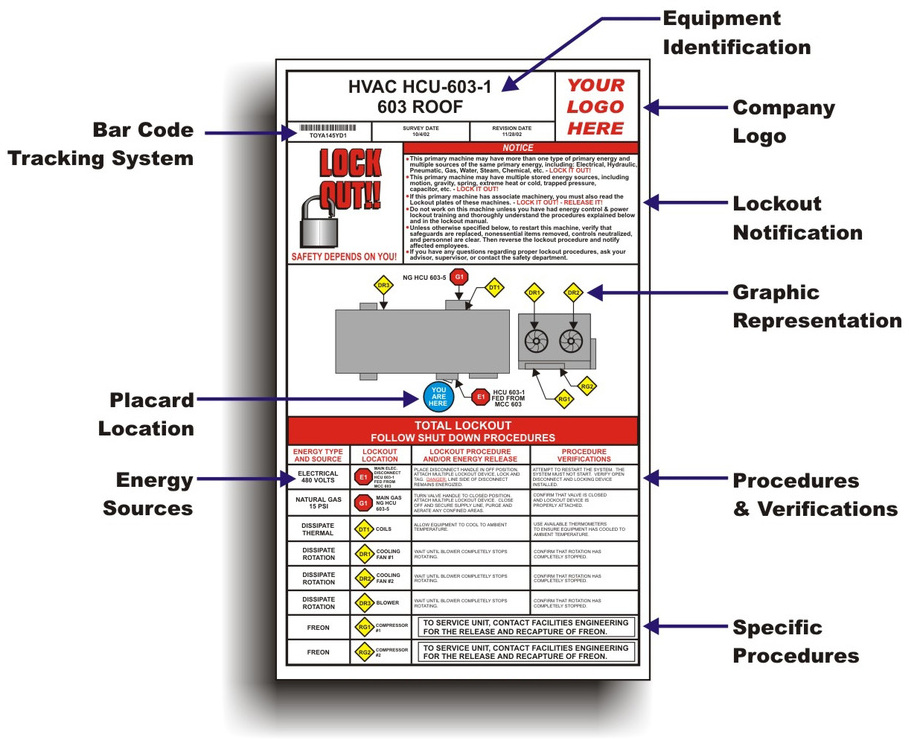
A kit alone isn’t enough. It must be part of a documented energy control program that includes:

- Machine-specific procedures – Step-by-step instructions for isolating each piece of equipment.
- Authorized vs. Affected Employees – Only trained "authorized" workers can perform lockout; "affected" workers need awareness training.
- Periodic Inspections – At least annual audits of LOTO procedures and kit condition.
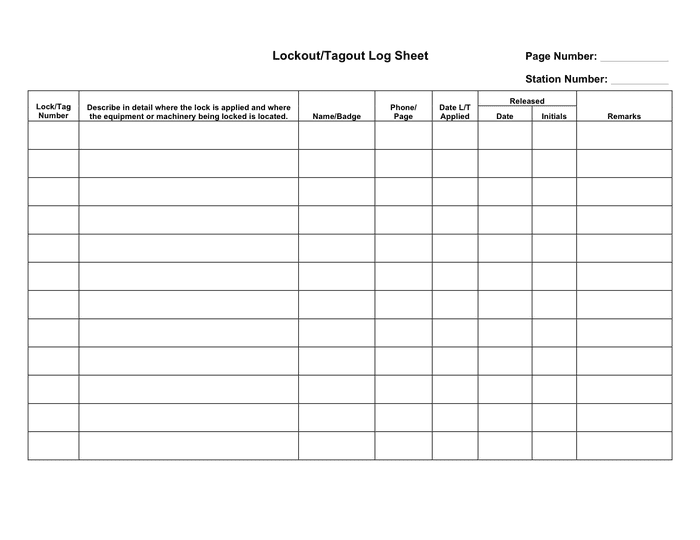
- Tag Management – Tags should be clear, consistent, and collected after use to track compliance.
One refinery reduced lost-time incidents by 72% within 18 months of implementing a LOTO program centered on standardized kits and monthly drills.
Workflow Tip: Conduct “dry runs” of LOTO procedures during training—simulate full shutdowns without actual maintenance to build muscle memory.
Choosing the Right Kit for Your Facility
Ask these questions when selecting a lockout and tagout kit:
- How many energy types do we handle? (Electrical, hydraulic, etc.)
- How many workers typically service one machine? (Determines need for group kits.)
- Are our technicians mobile or station-based? (Influences portability needs.)
- What environmental conditions exist? (Outdoor, wet, corrosive areas need weather-resistant gear.)
- Do we need bilingual tags? (Important for multilingual workforces.)
Avoid under-specifying. A $150 kit may seem economical, but if it lacks valve lockouts for your pumps, it’s functionally useless.
Also, consider scalability. Start with a core kit, then expand with add-ons like specialty lockouts for unique equipment.
Final Thought: LOTO Kits Are More Than Tools—They’re Protectors
A lockout and tagout kit isn’t just a collection of locks and tags. It’s a system that enforces discipline, protects lives, and upholds regulatory standards. In high-risk environments, it’s the difference between a routine maintenance job and a catastrophic accident.
Invest in quality kits. Train your team thoroughly. Audit regularly. Make lockout and tagout a visible, non-negotiable part of your safety culture.
Equip every authorized employee with their own kit, store them accessibly, and never allow exceptions—even for “quick fixes.”
Because when it comes to energy control, there’s no such thing as being too careful.
FAQ
What is included in a standard lockout and tagout kit? A standard kit typically includes personal padlocks, lockout hasps, valve and breaker lockouts, warning tags, and storage. Some include group boxes and cable locks depending on use case.
Can tagout be used without lockout? Yes, but only if a lock cannot be applied. OSHA allows tagout as an alternative, but it requires additional safety measures since tags are warning devices, not physical restraints.
Who should use a lockout and tagout kit? Only authorized employees trained in energy control procedures should perform lockout/tagout. Affected workers must understand the purpose but do not apply locks.
How often should LOTO kits be inspected? Kits should be checked monthly for damage or missing parts. The OSHA standard also requires annual audits of the entire energy control program.
Are lockout and tagout kits required by law? Yes. OSHA 29 CFR 1910.147 mandates the use of energy control procedures, and lockout devices are required where feasible.
Can one lockout kit serve an entire facility? No. Each authorized employee must have their own lock and tag. Kits are often distributed per person or team, with central stations for shared access.
What makes a LOTO tag compliant? Compliant tags must be durable, legible, standardized, and include the employee’s name, department, date, and reason for lockout.
FAQ
What should you look for in Lockout and Tagout Kit Essentials for Workplace Safety? Focus on relevance, practical value, and how well the solution matches real user intent.
Is Lockout and Tagout Kit Essentials for Workplace Safety suitable for beginners? That depends on the workflow, but a clear step-by-step approach usually makes it easier to start.
How do you compare options around Lockout and Tagout Kit Essentials for Workplace Safety? Compare features, trust signals, limitations, pricing, and ease of implementation.
What mistakes should you avoid? Avoid generic choices, weak validation, and decisions based only on marketing claims.
What is the next best step? Shortlist the most relevant options, validate them quickly, and refine from real-world results.