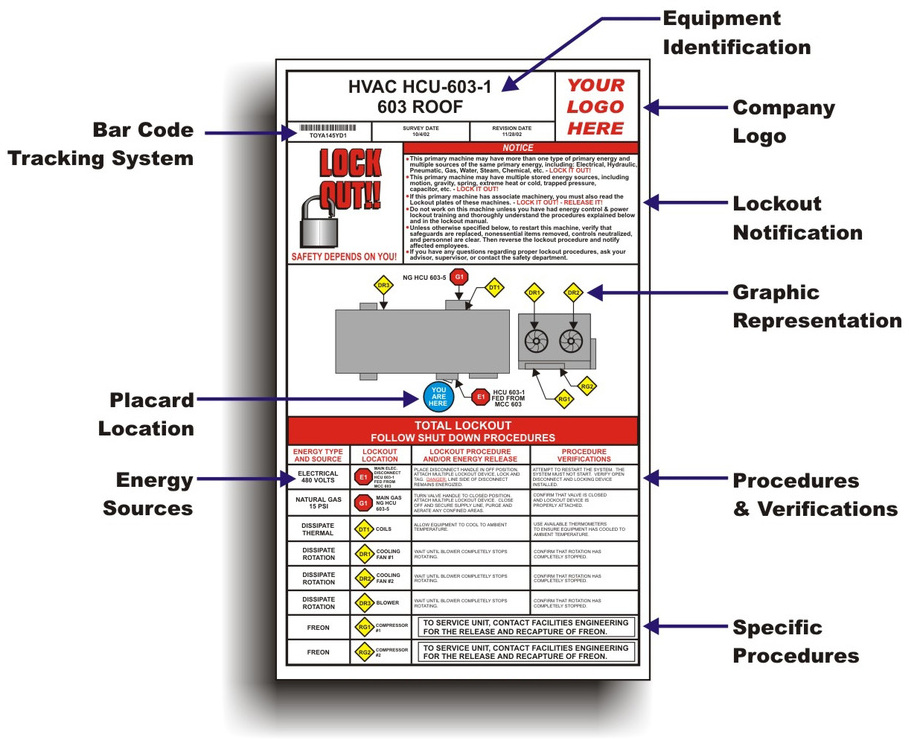
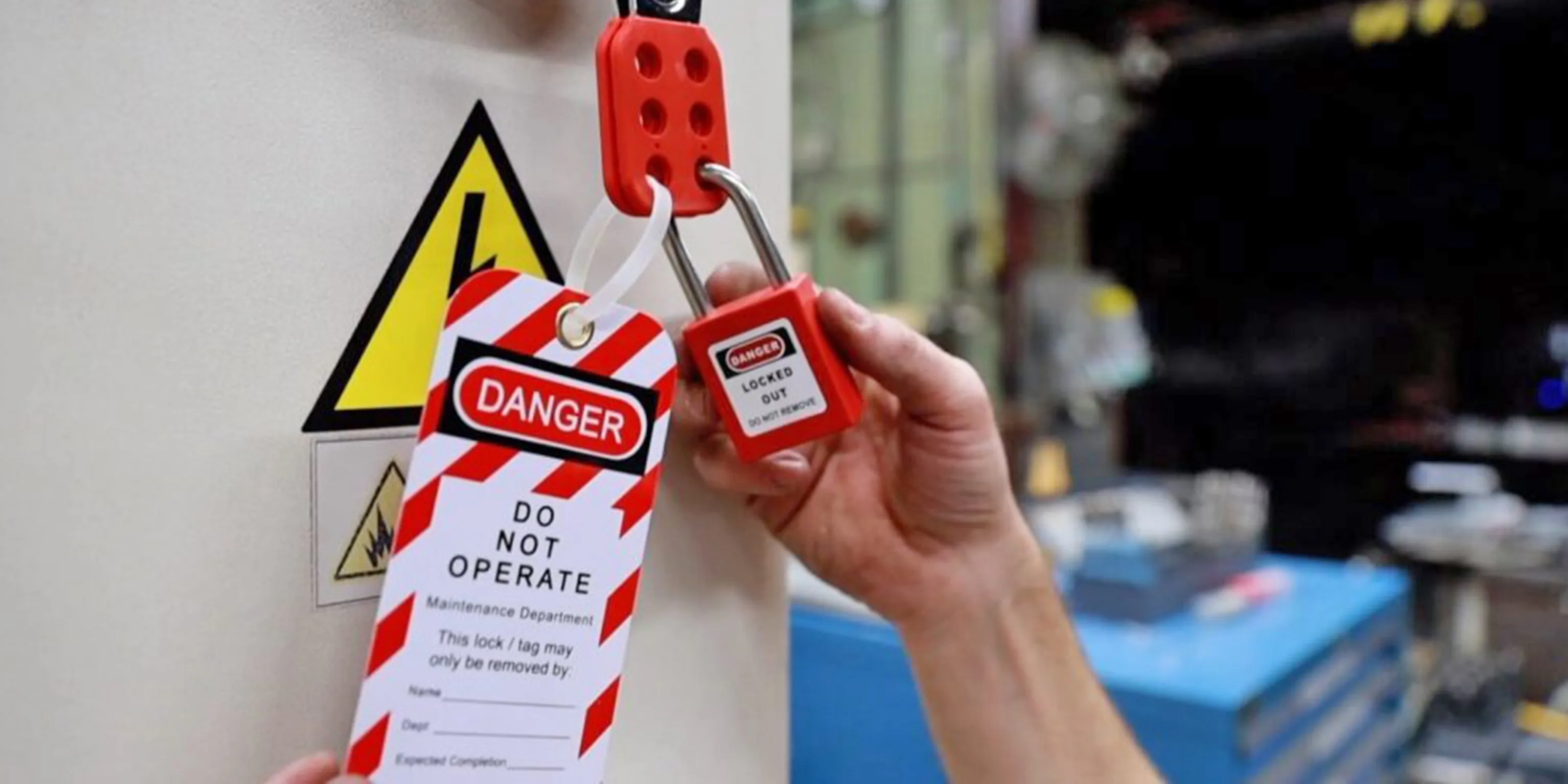
Machines don’t remember. They don’t warn. And when maintenance begins without proper safeguards, the consequences can be fatal. That’s where lock out tag out log sheets come in—quiet but critical documents that track who shut down equipment, when, and why. More than just paperwork, they’re legal records, safety checkpoints, and the backbone of an effective energy control program.
OSHA’s Control of Hazardous Energy standard (29 CFR 1910.147) mandates that employers implement lockout/tagout (LOTO) procedures. A core requirement? Documentation. And that’s where LOTO log sheets turn policy into proof.
What Is a Lock Out Tag Out Log Sheet?
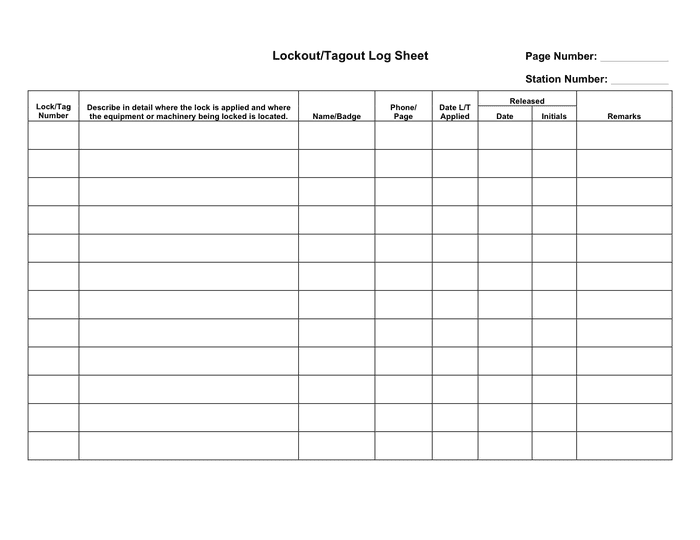
A lock out tag out log sheet is a formal record used during equipment servicing to document every step of the energy isolation process. It logs critical details, including:
- Equipment name and ID
- Date and time of shutdown
- Authorized employee name
- Type of energy isolated (electrical, hydraulic, pneumatic, etc.)
- Lock and tag numbers used
- Reason for maintenance
- Clearance and restart authorization
Without this log, compliance becomes guesswork—and safety becomes risk.
These logs aren’t optional. They’re evidence that proper procedures were followed. In the event of an OSHA audit or incident investigation, a well-maintained LOTO log sheet can separate a minor correction from a six-figure citation.
Why Log Sheets Are Non-Negotiable in LOTO Programs
Many facilities have LOTO tags and locks—but skip the logging. That gap creates dangerous blind spots.
1. Accountability in Real Time
When multiple technicians work on different parts of a machine, confusion spreads fast. A log sheet forces clarity. It answers: Who locked what? Who’s still working? Who gave the final all-clear?
Example: At a Midwest manufacturing plant, two technicians were servicing separate zones on a conveyor system. One removed his lock early, assuming work was done. The log sheet showed the second technician hadn’t signed off. A near-miss was avoided because the log was checked before restart.
2. OSHA Compliance and Audit Readiness OSHA doesn’t just want procedures—they want proof. During inspections, auditors ask for LOTO documentation. Incomplete or missing logs are cited under 1910.147(c)(4), which requires employers to “document each energy control procedure.”
Fines range from $10,000 to over $150,000 for repeated violations. A simple log sheet can prevent that.
3. Streamlined Shift Transitions In facilities with rotating shifts, equipment status must transfer clearly. A LOTO log sheet acts as a shift handoff tool. If a night technician starts servicing a pump at 10 PM, the morning crew must know it’s still under lockout.
Without a log, assumptions are made. Machines are restarted. Accidents happen.
Key Elements of an Effective LOTO Log Sheet
Not all log sheets are created equal. A generic clipboard with scribbled notes won’t pass compliance muster.
An effective LOTO log sheet includes:

| Field | Purpose |
|---|---|
| Equipment ID | Prevents confusion between similar machines |
| Date/Time of Lockout | Tracks duration and ensures timely follow-up |
| Authorized Employee Name & Signature | Establishes accountability |
| Energy Source(s) Isolated | Electrical, mechanical, thermal, etc. |
| Lock/Tag IDs | Matches physical devices to personnel |
| Work Description | Clarifies scope and prevents overreach |
| Clearance Sign-Off | Final verification before restart |
Optional but helpful: QR codes linking to full LOTO procedures, digital timestamps, or supervisor approval fields.
Tip: Use pre-printed or digital forms with checkboxes. Avoid blank sheets—structured entries reduce errors.
Common Mistakes That Undermine LOTO Logging Even facilities with log sheets make critical errors.
❌ Using One Log for Multiple Machines A single log tracking 20 machines becomes chaotic. Entries get missed. Cross-references fail. Best practice: One log per machine or system.
❌ Delayed or Retroactive Logging “If I write it later, it’s the same.” It’s not. Real-time logging ensures accuracy. Delayed entries risk omissions or false assumptions.
❌ Allowing Unsigned or Incomplete Entries A log without signatures is a log without accountability. Every field must be filled before equipment restart.
❌ Storing Logs in Inaccessible Locations If the log is in a locked office or buried in a drawer, it’s useless during shift changes or emergencies. Keep logs on-site, near the equipment or in a visible station.
Real Case: A food processing plant had well-designed logs—but stored them in the safety manager’s office. During a weekend repair, the night crew assumed no work was in progress. A machine was energized mid-maintenance. The log existed—but no one saw it. Result: severe laceration and $92,000 in OSHA fines.
Digital vs. Paper LOTO Log Sheets: What Works Best?
The debate isn’t about technology—it’s about reliability, access, and compliance.
Paper Log Sheets
- Pros: No power or Wi-Fi needed, simple to use, low cost
- Cons: Prone to damage, hard to audit, difficult to centralize
Best for: Small facilities with limited equipment and stable teams.
Digital LOTO Logs (Tablets, Apps, Cloud Platforms)
- Pros: Real-time updates, automatic timestamps, remote access, audit trails
- Cons: Requires training, devices, and maintenance
Best for: Large plants, multi-site operations, or companies pursuing ISO 45001 or smart safety integration.
Insight: Digital logs can integrate with CMMS (Computerized Maintenance Management Systems). When a work order is issued, a digital LOTO log auto-generates, assigned to the technician. Lock status updates in real time. Supervisors monitor from dashboards.
While paper still works, forward-thinking companies are moving digital—not just for convenience, but for precision.
Top 5 LOTO Log Sheet Solutions for 2025
Choosing the right tool matters. Here are five proven options across formats:
1. Seton LOTO Log Binders (Paper-Based)
- Pre-printed, OSHA-aligned forms
- Durable, tear-resistant pages
- Includes machine-specific sections
- Ideal for small to mid-sized operations
- Best for: Quick setup, no tech dependency
2. BradyLockout.com Digital Log System
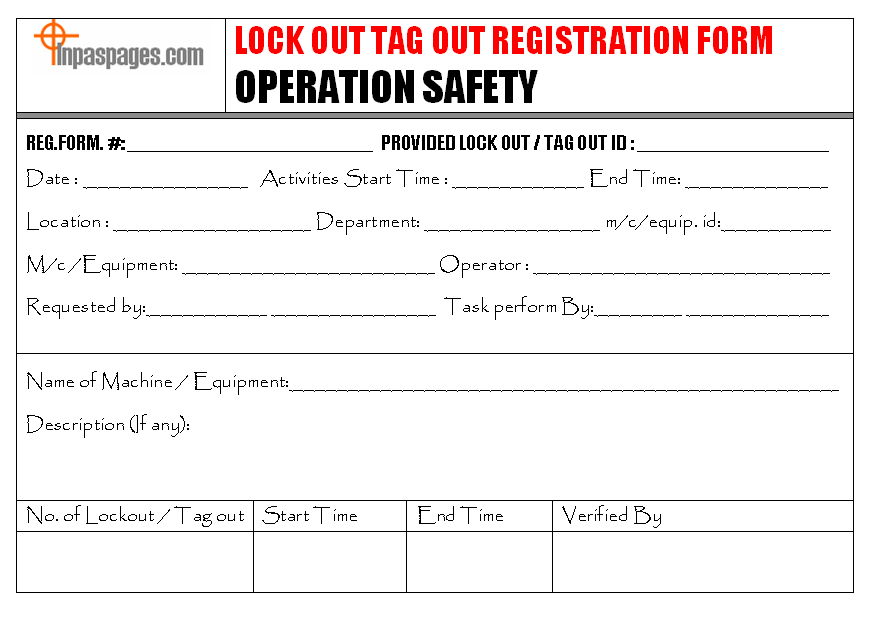
- Cloud-based logging with mobile access
- QR code scanning for equipment
- Automatic email alerts for overdue locks
- Integrates with Brady lock/tag inventory
- Best for: Mid to large facilities needing traceability
3. Fracas Safety LOTO Module (SaaS Platform)
- Part of a broader safety management suite
- Real-time dashboard for lock status
- Audit-ready reports with export
- Supports multi-site management
- Best for: Enterprise compliance and reporting
4. EPAK LOTO Log Pads
- Weather-resistant, spiral-bound logs
- Carbon copy pages for duplicate records
- Customizable fields
- Best for: Outdoor or harsh environments
5. Fiix by Rockwell Automation (CMMS Integration)
- Embedded LOTO workflows within maintenance tickets
- Digital sign-offs and approvals
- Syncs with asset history
- Best for: Facilities already using predictive or preventive maintenance software
Pro Tip: Match your solution to your workflow. Don’t force digital if your team isn’t ready. But if you’re scaling, invest early.
How to Implement LOTO Log Sheets in 4 Steps
Rolling out log sheets isn’t just about printing forms. It’s about culture, training, and consistency.
Step 1: Audit Your Equipment List all machines requiring LOTO. Assign unique IDs. Group related systems (e.g., a production line) under one log if they share energy sources.
Step 2: Design or Select Your Log Template Use OSHA guidelines and real use cases. Include all required fields. Test with a small team before full rollout.
Step 3: Train Authorized Employees Training must cover:
- How to fill out the log
- Consequences of skipping entries
- Shift handoff procedures
- Where logs are stored
Document this training—another OSHA requirement.
Step 4: Audit and Improve Review logs monthly. Look for:
- Missing signatures
- Incomplete energy source fields
- Delayed entries
- Unauthorized restarts
Use findings to refine training and forms.
Case Study: A chemical plant reduced LOTO incidents by 78% in 8 months after introducing standardized logs and weekly audits. The key? Supervisors reviewed logs during safety huddles.
The Cost of Skipping the Log
A lock and tag protect the machine. The log protects the process.
Without it: - You can’t prove compliance - Shift changes become hazardous - Incident investigations stall - OSHA fines multiply
One log sheet takes 90 seconds to complete. The injury it prevents could cost millions in medical bills, downtime, and legal fees.
It’s not bureaucracy. It’s insurance.
Final Recommendation: Make Logging Automatic
The best LOTO programs don’t rely on memory. They build logging into the workflow.
Whether paper or digital, make the log sheet mandatory—not optional. Store it where it’s needed. Train everyone. Audit regularly.
A completed LOTO log sheet isn’t just a form. It’s evidence that your team respects safety, follows rules, and protects each other.
Start today: Pick one machine. Implement a log. Train one technician. Scale from there.
Because when the power’s off and the locks are on, the log sheet is the only voice that speaks for safety.
Frequently Asked Questions
What should be included in a lock out tag out log sheet? A complete LOTO log includes equipment ID, date/time, employee name, energy sources isolated, lock/tag numbers, work description, and clearance signatures.
Are LOTO log sheets required by OSHA? Yes. OSHA 29 CFR 1910.147 requires documentation of energy control procedures, including records of application and removal of locks and tags.
Can digital logs replace paper LOTO logs? Yes, as long as they are secure, tamper-proof, and accessible to authorized personnel. Digital logs often offer better tracking and compliance reporting.
Who is responsible for filling out the LOTO log? The authorized employee performing the servicing is responsible for completing the log sheet accurately and in real time.
How long should LOTO logs be kept? OSHA recommends retaining logs for at least one year, though some industries keep them for 3–5 years for audit and liability purposes.
Can multiple people work under one log sheet? Yes, but each person must apply their own lock, tag, and log entry. The sheet should track all individuals working on the equipment.
What happens if a LOTO log is lost or damaged? Treat it as a compliance failure. Investigate the gap, retrain if needed, and implement safeguards (like digital backups) to prevent recurrence.
FAQ
What should you look for in Lock Out Tag Out Log Sheets: Why They Matter and How to Use Them? Focus on relevance, practical value, and how well the solution matches real user intent.
Is Lock Out Tag Out Log Sheets: Why
They Matter and How to Use Them suitable for beginners? That depends on the workflow, but a clear step-by-step approach usually makes it easier to start.
How do you compare options around Lock Out Tag Out Log Sheets: Why They Matter and How to Use Them? Compare features, trust signals, limitations, pricing, and ease of implementation.
What mistakes should you avoid? Avoid generic choices, weak validation, and decisions based only on marketing claims.
What is the next best step? Shortlist the most relevant options, validate them quickly, and refine from real-world results.