Safety incidents don’t start with explosions or collapses—they start with silence. The silence that follows skipped safety briefings, overlooked hazards, and unchecked assumptions. That’s where free safety toolbox talks come in. They’re not just handouts or time-fillers. Done right, they’re sharp, focused interventions that keep risks visible and teams accountable—without costing a dime.
These short, informal safety meetings are most effective when they’re relevant, frequent, and easy to deploy. And the good news: you don’t need a corporate training budget to run them. A solid collection of free safety toolbox talks can transform routine check-ins into proactive risk-reduction sessions.
Let’s break down how to use them, where to find the best ones, and how to avoid the common traps that make them feel like box-ticking exercises.
Why Free Safety Toolbox Talks Actually Work
Toolbox talks succeed when they’re timely and relatable. A 10-minute conversation about ladder safety hits harder the morning crews are scheduled to work at height. That’s the power of immediacy.
Free safety toolbox talks work because they: - Remove cost barriers to consistent safety communication - Cover real-world hazards (slips, PPE, electrical risks, etc.) - Are easy to customize for different trades and sites - Support regulatory compliance (OSHA, ANSI, etc.) - Foster team engagement through discussion, not lecture
But not all free talks deliver value. Many are generic, outdated, or poorly structured. The best ones follow a clear format: hazard → risk → control → action. They prompt dialogue, not just passive listening.
Example: Instead of saying, “Always wear gloves,” a strong talk asks, “What tasks this week involve hand contact with sharp materials—and which glove type actually protects against that risk?” That shift turns compliance into conversation.
Key Topics Covered in Effective Free Toolbox Talks
The most useful talks focus on high-frequency, high-consequence risks. Here are the core categories every safety program should address:
#### 1. Personal Protective Equipment (PPE) - When and why specific gear is required - Limitations of common PPE (e.g., cut-resistant gloves vs. puncture) - Proper fit and inspection routines
#### 2. Slips, Trips, and Falls - Housekeeping responsibilities - Use of signage and barriers - Ladder safety and fall protection systems
#### 3. Hand and Power Tools - Pre-use inspection checklist - Guarding, grounding, and cord safety - One-hand operation and kickback risks
#### 4. Hazard Communication (HazCom) - Reading SDS and label elements - Safe handling of solvents, adhesives, and cleaners - Emergency response for spills
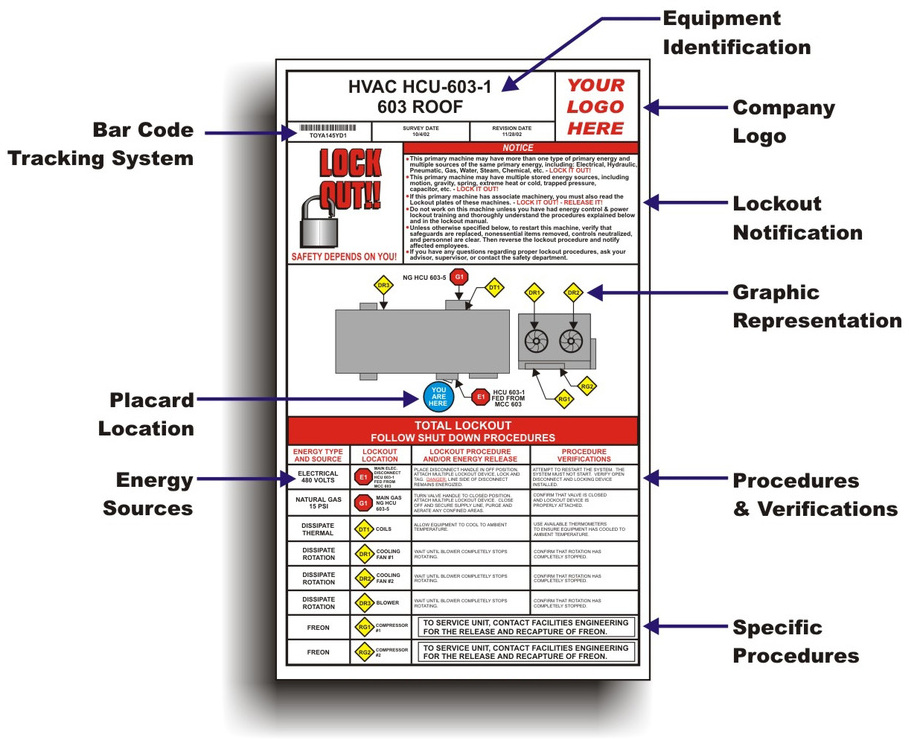
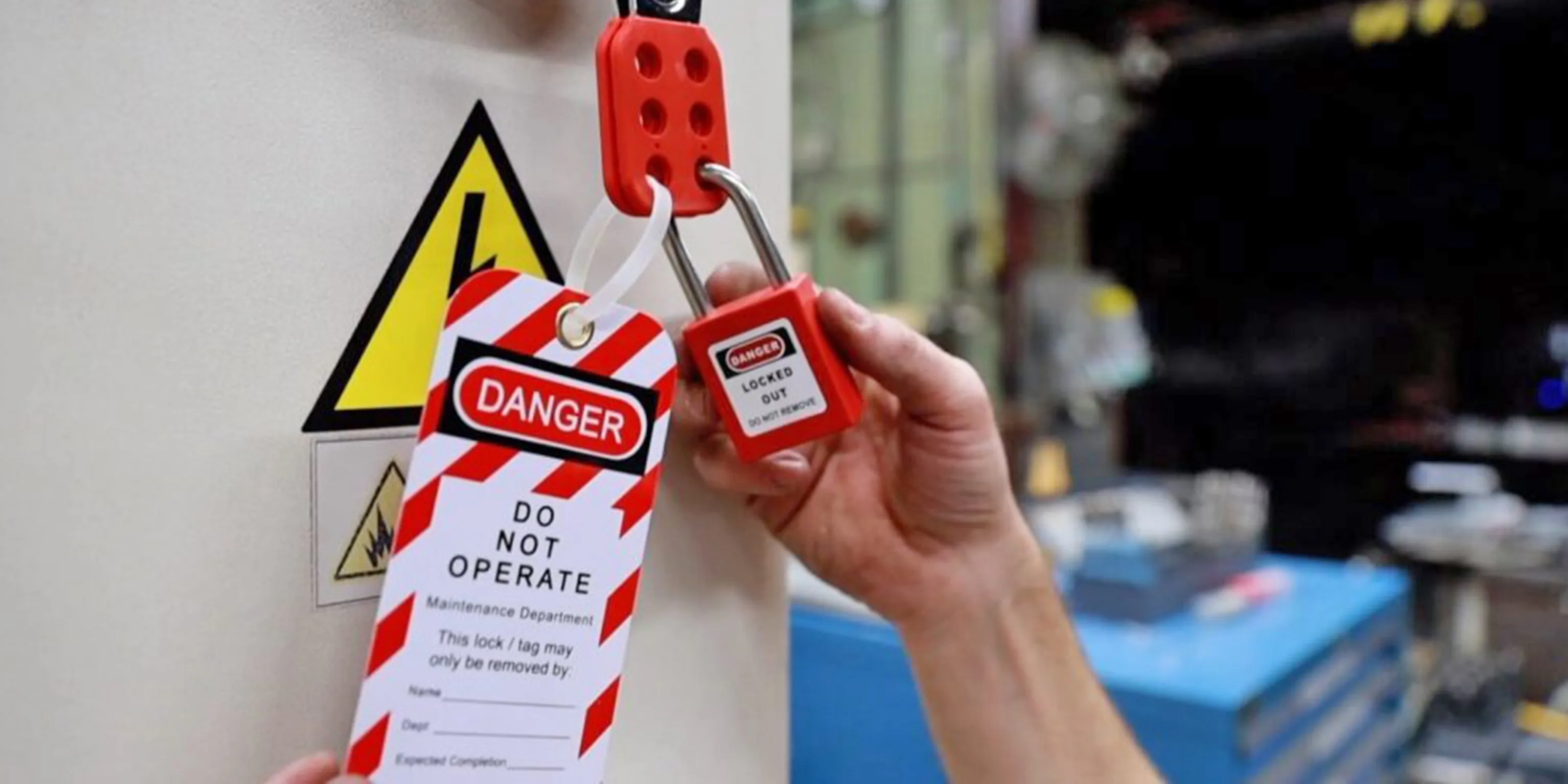
#### 5. Electrical Safety - Lockout/tagout (LOTO) basics - Overhead power line awareness - Use of GFCI and double-insulated tools
#### 6. Confined Spaces and Hot Work - Permit requirements - Gas testing and ventilation - Fire watch responsibilities
Each talk should include a brief scenario or case example. For instance: “A worker bypassed a saw guard to speed up a cut. The blade caught his glove—resulting in a serious hand injury. What controls could have prevented this?”
Where to Find High-Quality Free Safety Toolbox Talks

Not all free resources are created equal. Some are outdated, poorly formatted, or lack practical guidance. The most reliable sources combine regulatory alignment with real-world usability.
Here are five trusted sources for free safety toolbox talks:
| Source | Key Features | Best For |
|---|---|---|
| OSHA.gov | Official, compliant, plain-language talks | Regulatory alignment, government projects |
| NIOSH (CDC) | Science-backed, research-informed topics | Long-term health risks (e.g., silica, noise) |
| SafetyNow | Industry-specific, downloadable PDFs | Construction, manufacturing, facility teams |
| Canadian Centre for Occupational Health and Safety (CCOHS) | Bilingual, globally relevant content | Multilingual teams or Canadian operations |
| Trade Associations (e.g., AGC, NECA) | Sector-specific, practical examples | Electrical, plumbing, roadwork, etc. |
Pro tip: Bookmark these sites and check them monthly. Many update their libraries with seasonal hazards (e.g., heat stress in summer, winter traction in cold climates).
How to Run a Toolbox Talk That Actually Lands
A free talk is only as good as its delivery. Even the best content fails if it’s read aloud like a grocery list.
Follow this 4-step delivery method:
- Set the Scene (1 min)
- “Today we’re talking about forklift blind spots—because we’ve had three near-misses this month during material unloads.”
- Explain the Hazard (2 min)
- Show a quick diagram or photo. Point out common blind zones. Mention how speed and distraction worsen risk.
- Discuss Controls (4 min)
- Ask: “What signals do we use when guiding a forklift operator?” Let the team respond. Reinforce correct procedures.
- Confirm Understanding (3 min)
- “If you’re walking near a forklift, what’s your first move? What if the operator doesn’t see you?” Require verbal answers.
Avoid monologues. If no one speaks, the talk failed—not because the topic was bad, but because engagement was missing.
Common mistakes to avoid: - Repeating the same talk every week - Using jargon like “hierarchy of controls” without explanation - Skipping sign-in sheets (required for OSHA recordkeeping) - Holding talks in loud or distracting areas
Customizing Free Talks for Your Team
Generic content doesn’t stick. A talk about trench safety won’t resonate with office staff doing minor repairs. Adapt every talk to your site, crew, and tasks.
Simple customization steps: - Replace generic photos with site-specific images - Insert real incidents (without naming individuals) - Adjust PPE examples to match what’s actually used - Add local weather factors (e.g., wind affecting scaffolding)
Realistic use case: You download a free electrical safety talk from OSHA. Instead of reading it verbatim, you start with: “Last week, we found a frayed extension cord in the break room. Could that have caused a fire? Let’s go over how to spot and report those.”
That small shift turns a compliance exercise into a relevant safety moment.
Integrating Free Talks Into Your Safety Program
A single talk has limited impact. The power comes from consistency.
Best practices for integration: - Schedule talks weekly or per shift change - Assign different team members to lead (builds ownership) - Rotate topics monthly based on risk assessments - Keep sign-in logs for audits and training records - Link talks to recent incidents or inspections
Use a shared folder or intranet page to archive completed talks. This creates a living safety library your team can reference.
Workflow tip: Pair each talk with a quick visual aid—a printed handout, site photo, or equipment demo. Visuals increase retention by up to 65% (per MIT research). Even a smartphone photo of a damaged ladder works.
The Limitations of Free Safety Toolbox Talks
Free doesn’t mean flawless. Be aware of the downsides:
- Generic content: May not reflect your equipment or processes
- Language barriers: Not all are available in Spanish or other common trade languages
- Outdated info: Some sources haven’t updated for new OSHA rules or standards
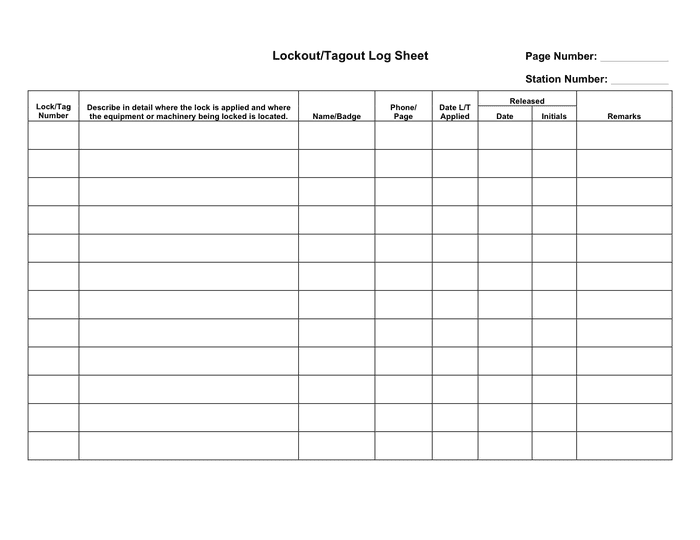
- No tracking: Free PDFs don’t come with attendance or completion tracking
Workaround: Use free talks as a base, not a final product. Add your company logo, update examples, and create a simple sign-in sheet. This turns a public resource into a tailored safety tool.
Also, supplement with live demonstrations. A talk about respirator fit checks is better with an actual respirator in hand.
Top 5 Free Safety Toolbox Talk Templates
You Can Use Today
Here are five high-impact, immediately usable templates—available at no cost:
- “Working at Heights – Fall Protection Basics” (OSHA.gov)
- Covers harness use, anchor points, and ladder stability. Ideal before roof work begins.
- “Hand Safety – Avoiding Cuts and Crush Injuries” (SafetyNow)
- Uses real injury data and PPE selection guidance. Great for fabrication teams.
- “Heat Stress Prevention” (NIOSH)
- Includes symptom checklist and hydration tips. Essential for summer crews.
- “Safe Lifting and Material Handling” (CCOHS)
- Focuses on body mechanics and team lifts. Useful for warehouse and installation crews.
- “Electrical Safety Around Overhead Lines” (AGC.org)
- Trade-specific, with clearance distances and emergency procedures.
All are downloadable, editable, and suitable for signature collection.
Free safety toolbox talks are more than a cost-saving hack—they’re a force multiplier for safety culture. When used strategically, they turn routine moments into opportunities for awareness, correction, and connection.
Start with trusted sources, customize for relevance, and deliver with purpose. One concise talk per week can prevent injuries, support compliance, and show your team that safety isn’t a policy—it’s a practice.
Download one today. Schedule it for tomorrow. And make sure someone signs the sheet. That’s how change begins.
Frequently Asked Questions
What are free safety toolbox talks? Short, no-cost safety meetings designed to address specific workplace hazards and promote safe behavior among teams.
Are free toolbox talks OSHA-compliant? Many are, especially those from OSHA, NIOSH, or trade groups. Always verify content aligns with current regulations.
How often should toolbox talks be held? Weekly is ideal, but frequency should match risk level—daily for high-hazard work, biweekly for lower-risk environments.
Can I edit free toolbox talks for my site? Yes. Customizing content for your team, equipment, and incidents improves relevance and effectiveness.
Do toolbox talks need to be signed off? Yes. Attendance records are required for compliance and should include names, date, topic, and supervisor signature.
Where can I get toolbox talks in Spanish? NIOSH, CCOHS, and some trade associations offer bilingual or Spanish-only versions.
Do free talks include presentation slides? Some do—check sources like SafetyNow or NECA. Others provide only text, which you can adapt into your own format.
FAQ
What should you look for in Free Safety Toolbox Talks for Smarter Worksite Safety? Focus on relevance, practical value, and how well the solution matches real user intent.
Is Free Safety Toolbox Talks for Smarter Worksite Safety suitable for beginners? That depends on the workflow, but a clear step-by-step approach usually makes it easier to start.
How do you compare options around Free Safety Toolbox Talks for Smarter Worksite Safety? Compare features, trust signals, limitations, pricing, and ease of implementation.
What mistakes should you avoid? Avoid generic choices, weak validation, and decisions based only on marketing claims.
What is the next best step? Shortlist the most relevant options, validate them quickly, and refine from real-world results.