Every year, preventable accidents occur during equipment servicing—workers injured, operations halted, compliance fines issued. At the core of these incidents? A failure in energy control. Lockout tagout (LOTO) procedures exist to eliminate that risk. They’re not just paperwork or compliance checkboxes. They’re a frontline defense against electrocution, crushing injuries, and unexpected machine startups.
When done right, LOTO saves lives. When overlooked or poorly executed, it leads to catastrophic consequences. This guide cuts through the jargon and delivers a clear, actionable understanding of lockout tagout procedures—how they work, why they matter, and how to implement them effectively across any industrial environment.
What Are Lockout Tagout Procedures?
Lockout tagout procedures are a series of controlled steps designed to isolate hazardous energy sources from machines or equipment during maintenance, repair, or cleaning. The goal is simple: render equipment inoperable and visibly marked so no one can accidentally energize it while someone is working on it.
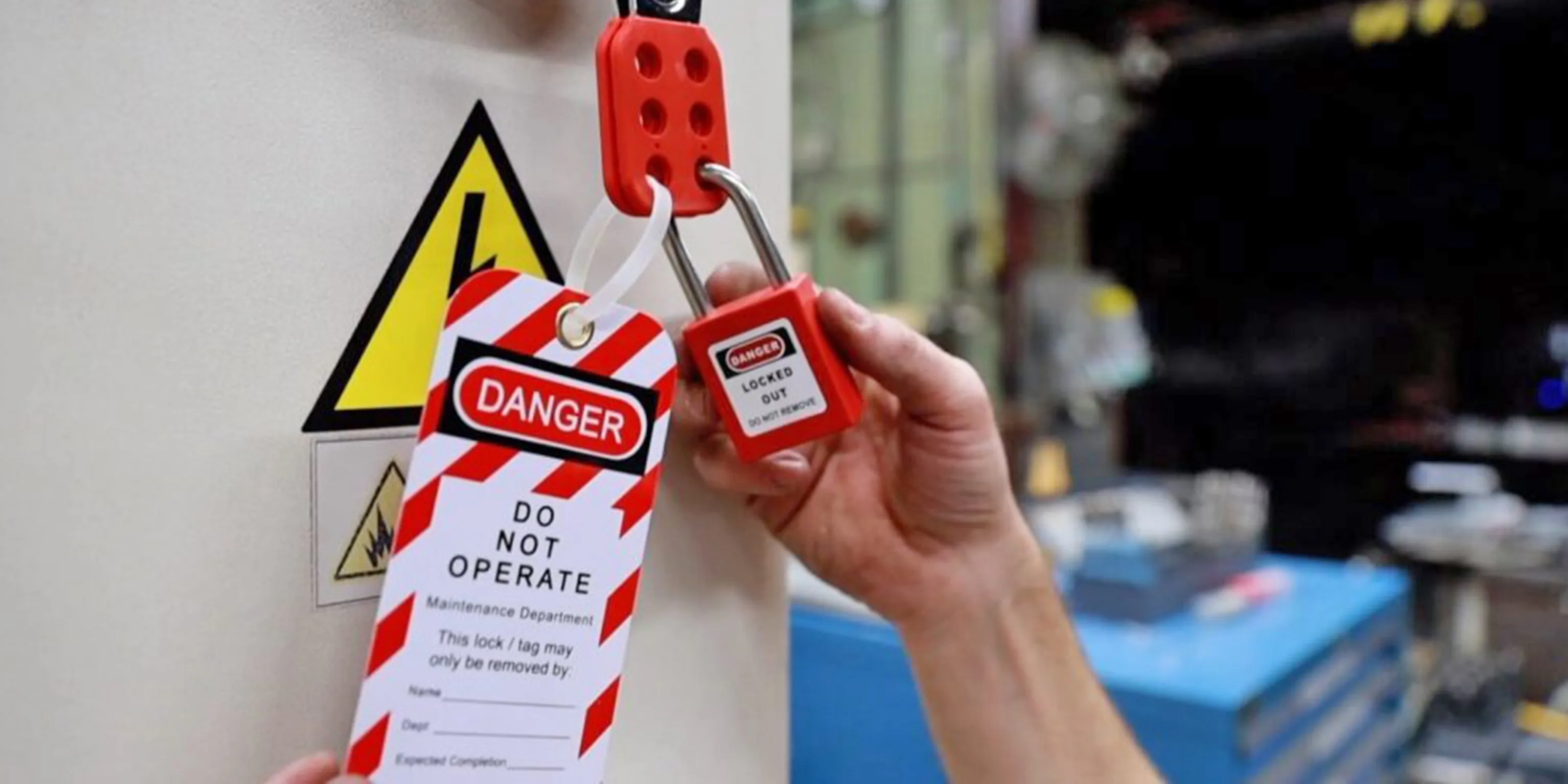
LOTO combines two core components: - Lockout: Physically securing energy-isolating devices (like circuit breakers or valve handles) with a lock. - Tagout: Attaching a warning tag to the locked device, indicating who applied the lock, why, and when.
These procedures are mandatory under OSHA regulation 29 CFR 1910.147 in the U.S. and mirrored in safety standards worldwide. They apply to any equipment powered by electrical, hydraulic, pneumatic, chemical, thermal, or gravitational energy.
Why LOTO Isn’t Just a Compliance Exercise
Compliance drives many companies to adopt LOTO, but the real value is operational safety. Consider this: OSHA estimates that proper lockout tagout controls can prevent 120 fatalities and 50,000 injuries annually in the U.S. alone. These aren’t abstract numbers—they represent real risks in real facilities.
A manufacturing plant in Ohio avoided a potential fatality when a technician followed full LOTO before cleaning a conveyor drive system. Another facility in Texas wasn’t so lucky—a worker bypassed a lockout because “it was just a quick fix,” resulting in a severe hand injury when the machine cycled unexpectedly.
The difference? One culture treated LOTO as sacred. The other treated it as optional.
The 6-Step Lockout Tagout Procedure
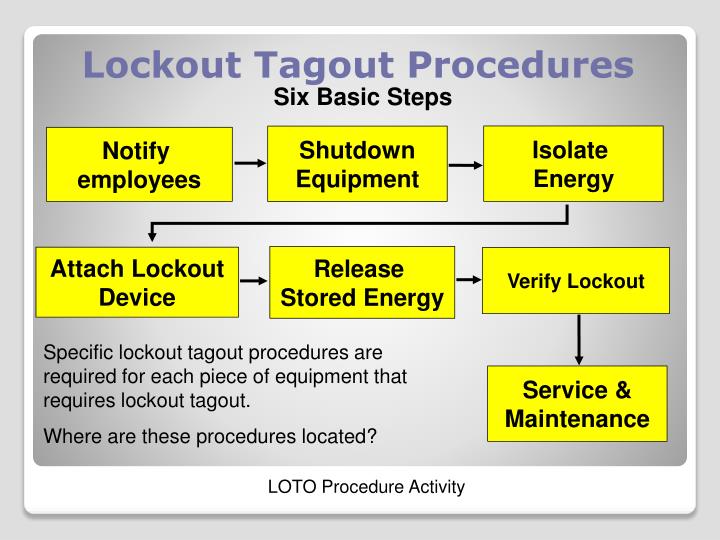
Effective LOTO isn’t improvisation. It’s a standardized, repeatable process. Here’s the universally accepted six-step sequence:
1. Prepare for Shutdown
Before touching any equipment, the authorized employee must: - Identify all energy sources (electrical, hydraulic, stored pressure, etc.). - Review the written LOTO procedure for that machine. - Gather necessary locks, tags, and tools.
This step is often rushed. A common mistake? Assuming a machine only has one power source. In reality, many systems have auxiliary feeds, backup batteries, or residual energy in capacitors or springs.
Example: A maintenance worker shutting down a CNC machine must account for main power, coolant pumps, and robotic arm hydraulics—not just the primary disconnect.
2. Notify Affected Personnel
Communication is critical. The authorized employee must inform all affected workers (those who operate or use the equipment) that maintenance is about to begin and the machine will be taken offline.
This prevents confusion and ensures no one tries to restart equipment unknowingly.
3. Shut Down the Equipment
Use normal stopping procedures—buttons, switches, or control panels—to power down the machine. Never assume turning it off at the source is enough.
Tip: Some equipment requires a specific shutdown sequence. Always follow manufacturer guidelines.
4. Isolate Energy Sources
This is where locks go on. Disconnect all energy sources: - Flip circuit breakers and padlock them. - Close and lock hydraulic or pneumatic valves. - Block moving parts that could release gravitational energy.
Use only locks and devices designed for LOTO—universal keys or makeshift ties don’t count.
5. Apply Locks and Tags
Each authorized employee working on the equipment must apply their own personal lock and tag. This is non-negotiable. Group locks are acceptable only when used with a master lockbox system where each worker’s lock secures the key to the main disconnect.
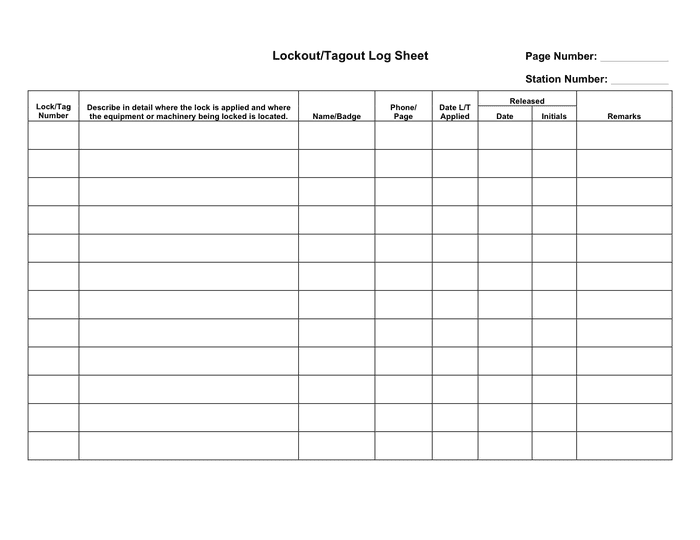
The tag must include: - Name of the person who applied the lock - Date and time - Reason for the lockout
No exceptions.
6. Release Stored Energy and Verify Isolation
Even after isolation, energy can remain trapped: - Capacitors holding electrical charge - Pressurized lines - Suspended loads - Hot surfaces
Release, dissipate, or block this stored energy. Then, attempt to start the machine using normal controls. If it doesn’t start, the isolation is effective. If it does, stop immediately—your LOTO failed.
Once verified, work can begin.
Common LOTO Mistakes That Risk Lives
Even experienced teams make dangerous errors. The most frequent: - Using one lock for multiple people – violates personal accountability. - Skipping stored energy checks – leads to surprise releases. - Assuming “off” means safe – machines can auto-restart or have secondary feeds. - Poor tag quality – handwritten, faded, or missing info reduces effectiveness. - Inadequate training – affected workers don’t understand their role.
One auto parts plant had a near-miss when a supervisor removed a lock because the technician “wasn’t on shift.” LOTO locks should only be removed by the person who applied them, unless formal transfer procedures are in place.
When LOTO Applies: Real-World Scenarios
LOTO isn’t just for complex repairs. It’s required whenever workers service or maintain equipment and risk exposure to hazardous energy. Common use cases include:
- Replacing a motor on a packaging line
- Clearing a jam in a printing press
- Servicing a boiler’s burner assembly
- Repairing a conveyor belt drive
- Cleaning inside a mixer or reactor vessel
If the task requires removing a guard, bypassing a safety interlock, or placing any body part into a point of operation, LOTO is mandatory.
Limited Exceptions
OSHA allows minor servicing exceptions under specific conditions: - The task is routine, repetitive, and integral to production. - It takes minimal time. - Risk is low and alternative protection exists (e.g., remote tools).
Example: Using a vacuum wand to clear dust from a motor vent while the machine runs—this may not require full LOTO. But opening the motor housing does.
Never assume an exception applies without documented risk assessment.
Developing Effective LOTO Procedures
A one-size-fits-all approach fails. Each machine needs a tailored procedure. Here’s how to build one:
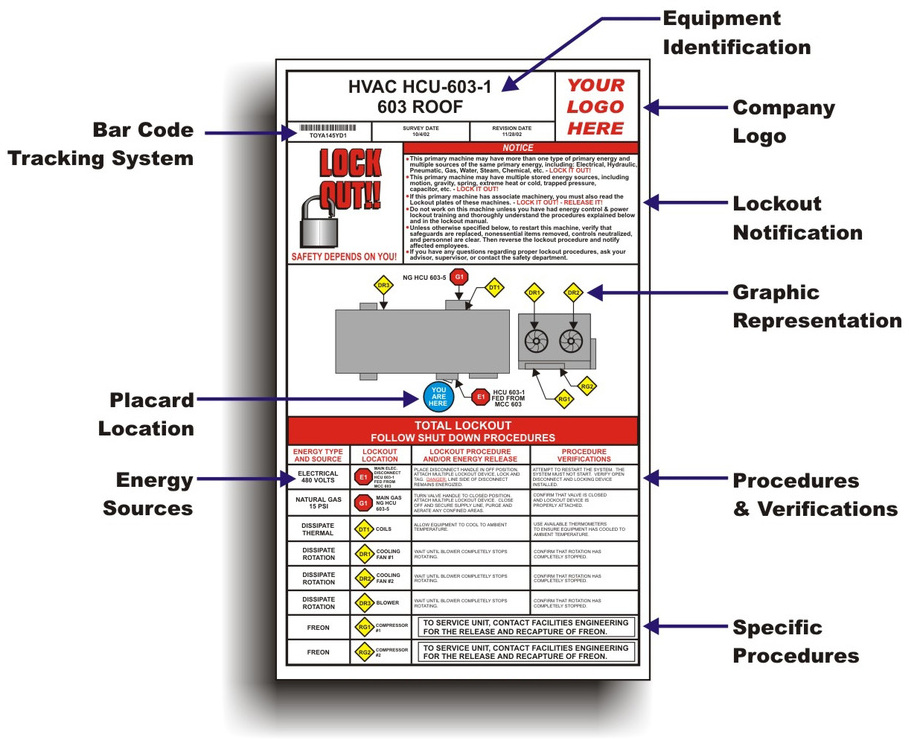
- Conduct an energy audit – Map every energy source on the equipment.
- Document shutdown steps – Write clear, step-by-step instructions.
- Identify isolation points – Mark disconnects, valves, and bleed points.
- Include verification steps – Specify how to test for zero energy.
- Review and update annually – Or whenever equipment changes.
Use diagrams, photos, or QR codes linked to digital procedures for clarity.
Pro Tip: Involve maintenance techs in writing procedures. Their frontline experience reveals nuances engineers might miss.
LOTO Equipment: Tools That Make a Difference
The right hardware ensures reliability and compliance. Standard LOTO tools include:

| Tool | Purpose | Best Use Case |
|---|---|---|
| Padlocks | Personal lockout | Individual control of disconnects |
| Hasps | Group lockout | Multiple workers on one energy source |
| Valve Lockouts | Block fluid flow | Pipes, hydraulics, gas lines |
| Circuit Breaker Locks | Secure electrical panels | Prevent accidental re-energizing |
| Lockout Stations | Centralized storage | Keep tags, locks, and devices organized |
Use durable, non-releasable locks. Never share keys. Color-coding by department or energy type can improve visual management.
Training and Compliance: Beyond the Paper Trail
A written LOTO program means nothing without training. OSHA requires: - Authorized employees – Trained in implementing LOTO procedures (refresher annually). - Affected employees – Trained to recognize LOTO and understand their limitations.
Training must be hands-on. Watching a video isn’t enough. Workers should practice: - Locating energy sources - Applying locks and tags - Verifying zero energy
Audit procedures quarterly. Random checks reveal gaps—like expired tags or missing steps.
One food processing plant reduced LOTO violations by 70% after introducing quarterly surprise drills. Workers knew they’d be tested, so they stayed sharp.
The Role of Technology in Modern LOTO
Digital tools are transforming LOTO from paper-based workflows to smart, auditable systems.
- Electronic LOTO (eLOTO) – Uses software to manage lockout sequences, approvals, and digital tags.
- RFID-enabled locks – Track who applied a lock and when.
- Mobile checklists – Ensure no step is skipped.
While not yet OSHA-mandated, these systems improve accountability and reduce human error. A pharmaceutical manufacturer cut LOTO errors by 90% after switching to a tablet-based verification system.
Still, technology complements—not replaces—human diligence.
Final Steps: Release and Restart
LOTO doesn’t end when the repair is done. Safe restart includes: - Removing tools and parts from the machine. - Ensuring all workers are clear. - Removing locks and tags—only by the person who applied them. - Notifying affected personnel before restart.
Never restart equipment with residual materials, loose components, or safety guards off.
Make LOTO a Culture, Not a Chore
The most effective LOTO programs aren’t enforced through fear—they’re embedded in daily operations. Leaders set the tone. When supervisors follow every step, workers do too.
Start each shift with a safety huddle. Recognize teams that report near-misses. Audit with curiosity, not punishment.
Because at its core, lockout tagout isn’t about compliance. It’s about respect—for the machine, the process, and most importantly, the person maintaining it.
Implement these procedures with consistency, clarity, and care. Your team’s safety depends on it.
FAQs
What is the first step in a lockout tagout procedure? The first step is preparing for shutdown by identifying all energy sources and reviewing the written LOTO procedure for the equipment.
Can multiple people use the same lock during LOTO? No. Each authorized employee must apply their own personal lock. Group lockout requires a lockbox system where each worker secures the key.
Is tagout as effective as lockout? Tagout alone is less secure than lockout. OSHA allows it only when a lock cannot be applied, provided additional safety measures are in place.
Who is responsible for applying LOTO devices? Authorized employees—those trained and responsible for implementing energy control procedures—must apply the locks and tags.
What happens if a worker is absent and their lock is still in place? A formal removal procedure must be followed, typically involving supervision, verification that the worker is not at risk, and documented approval before removing the lock.
Do minor repairs require LOTO? Only if the task exposes workers to hazardous energy. Routine, minor tasks may be exempt if they meet OSHA’s servicing exception criteria.
How often should LOTO procedures be reviewed? At least annually, or whenever equipment, processes, or controls change. Regular audits ensure ongoing effectiveness.
FAQ
What should you look for in Lockout Tagout Procedures: A Practical Guide to Workplace Safety? Focus on relevance, practical value, and how well the solution matches real user intent.
Is Lockout Tagout Procedures: A Practical Guide to Workplace Safety suitable for beginners? That depends on the workflow, but a clear step-by-step approach usually makes it easier to start.
How do you compare options around Lockout Tagout Procedures: A Practical Guide to Workplace Safety? Compare features, trust signals, limitations, pricing, and ease of implementation.
What mistakes should you avoid? Avoid generic choices, weak validation, and decisions based only on marketing claims.
What is the next best step? Shortlist the most relevant options, validate them quickly, and refine from real-world results.