Workers are injured every year during equipment servicing—not because machines fail, but because safety procedures fail. The most preventable of these incidents involve unexpected energization or startup of machinery. That’s where lockout tagout safety training comes in. It’s not just paperwork or a box to check. When done right, it’s the difference between a safe shutdown and a life-altering accident.
Lockout tagout (LOTO) is a system designed to control hazardous energy during maintenance or servicing. But a procedure on paper means nothing if employees don’t understand it, can’t apply it, or skip steps because training was rushed or unclear. Real LOTO training transforms policy into practice—shifting from compliance-driven sessions to behavior-changing education.
This article breaks down what makes LOTO training effective, how to implement it across industries, and the common missteps that undermine even well-documented programs.
Why Standard LOTO Training Fails Workers
Too many companies treat lockout tagout training as a one-time compliance exercise. A 30-minute video, a quiz, and signatures on a form—then everyone’s “trained.” In reality, this approach sets workers up for failure.
Consider this scenario: A maintenance technician services a conveyor system. The machine is off, but the lockout procedure wasn’t verified. Another worker, unaware of the maintenance, resets a breaker. The conveyor activates. The outcome? Severe crush injuries or worse.
This isn’t hypothetical. OSHA reports that failure to control hazardous energy accounts for nearly 10% of serious accidents in manufacturing. The root cause? Inadequate training—not lack of procedures.
Common training failures include:
- Generic content: One-size-fits-all videos don’t address site-specific equipment or energy sources.
- No hands-on practice: Watching a demo isn’t the same as applying locks and tags on actual machinery.
- Infrequent refreshers: Skills degrade. Workers forget steps if not reinforced.
- Exclusion of authorized and affected employees: Misunderstanding roles leads to confused responsibilities.
Effective training doesn’t just inform—it embeds muscle memory and decision-making under real conditions.
The Core Components of Effective LOTO Training
To work, lockout tagout training must be layered, relevant, and repeatable. Here are the non-negotiable components.
#### 1. Role-Based Instruction
Not all employees need the same depth of training. OSHA distinguishes between:
- Authorized employees: Those who perform maintenance and must lock out equipment. They need in-depth training on energy isolation, lock application, and verification.
- Affected employees: Workers who operate or use equipment but don’t service it. They must understand the purpose of LOTO and know not to restart locked machines.
Training should reflect these roles. A production line operator doesn’t need to know how to isolate a hydraulic system—but must recognize a lockout tag and never remove it.
#### 2. Equipment-Specific Procedures
A boiler lockout differs from a press brake or a chemical mixer. Training must include actual equipment found on-site. Workers should learn:
- Type and magnitude of hazardous energy (electrical, mechanical, hydraulic, pneumatic, chemical, thermal)
- Isolation points (valves, breakers, disconnects)
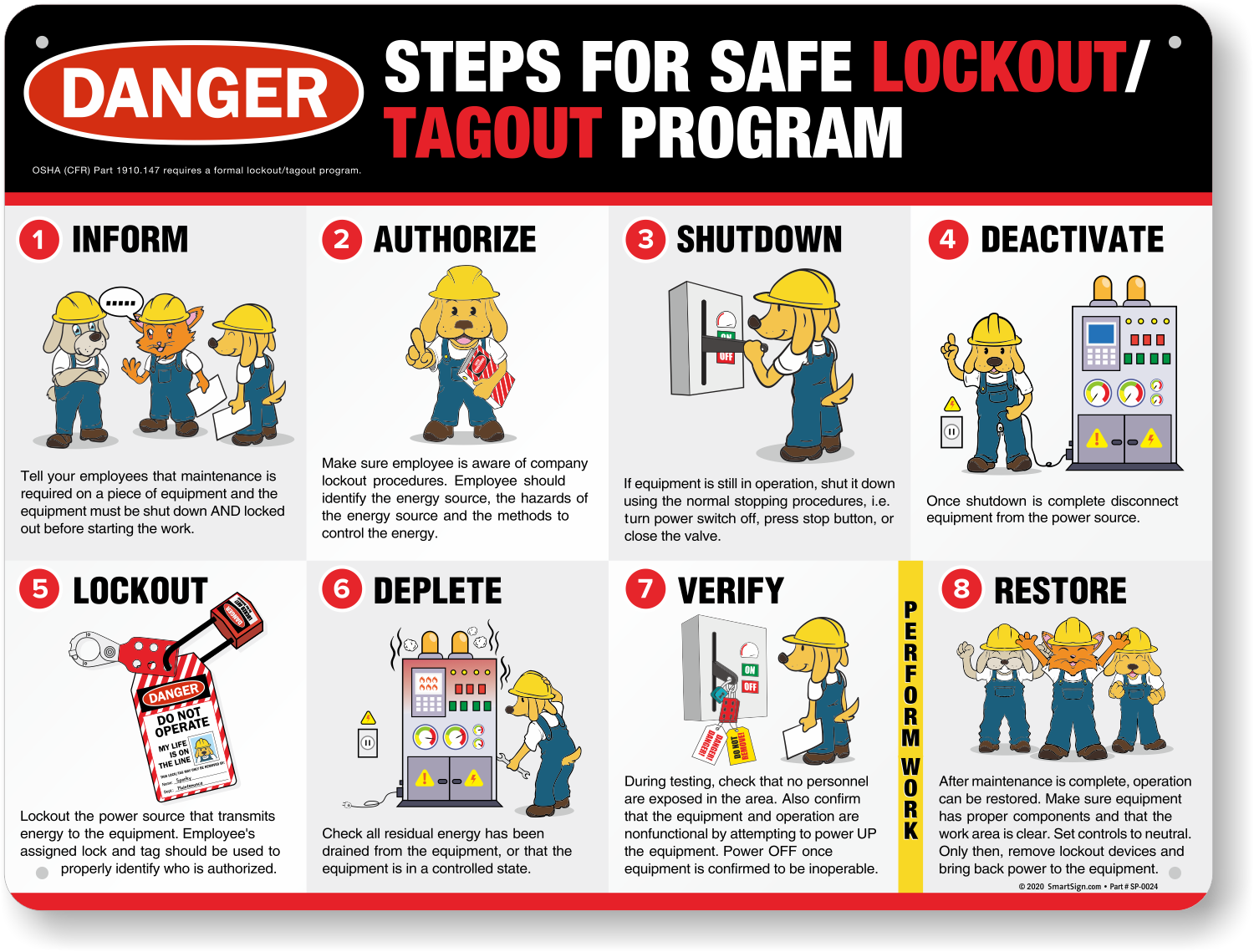
- Sequence of shutdown, isolation, locking, tagging, and verification
Example: In a food processing plant, a mixer may store residual kinetic energy and contain pressurized cleaning lines. Training must cover locking the motor disconnect, closing and tagging fluid supply valves, and verifying zero energy by attempting to start the mixer (after confirming it’s safe to do so).
#### 3. Hands-On Practice
Simulations build competence. During training, workers should:
- Locate energy isolation points on real equipment
- Apply their own locks and tags
- Verify isolation using test methods
- Participate in group lockout scenarios
One manufacturing facility reduced LOTO errors by 76% within six months simply by adding 20 minutes of hands-on drills to each session.
#### 4. Periodic Inspections and Retraining
OSHA requires annual inspections of LOTO procedures. These aren’t just audits—they’re training opportunities. During an inspection:
- An authorized employee performs a lockout
- A supervisor observes and verifies each step
- Gaps are identified and addressed immediately
If deviations are found, retraining is mandatory. This closes the loop between policy and practice.
Common LOTO Training Mistakes (and How to Fix Them)
Even experienced safety teams make these errors. Recognizing them is the first step toward improvement.
| Mistake | Risk | Solution |
|---|---|---|
| Using outdated procedures | Workers follow incorrect steps | Review and update LOTO procedures every 12 months |
| Skipping verification steps | False confidence in isolation | Train on “try-out” method—test controls after lockout |
| Allowing tag-only use without locks | Tags can be ignored | Enforce lock use unless tag-only is justified and documented |
| Inconsistent lock design | Misuse of locks or unauthorized removal | Use standardized, employee-specific locks |
| No training for temporary workers | Gaps in knowledge | Include contractors and temps in LOTO orientation |
One plant had a near-miss when a contractor removed a lock, thinking it was decorative. The fix? Mandatory LOTO orientation for all non-employees—and color-coded locks for different departments.
Integrating LOTO Training Into Safety Culture
Training shouldn’t end when the session does. It must feed into daily operations.
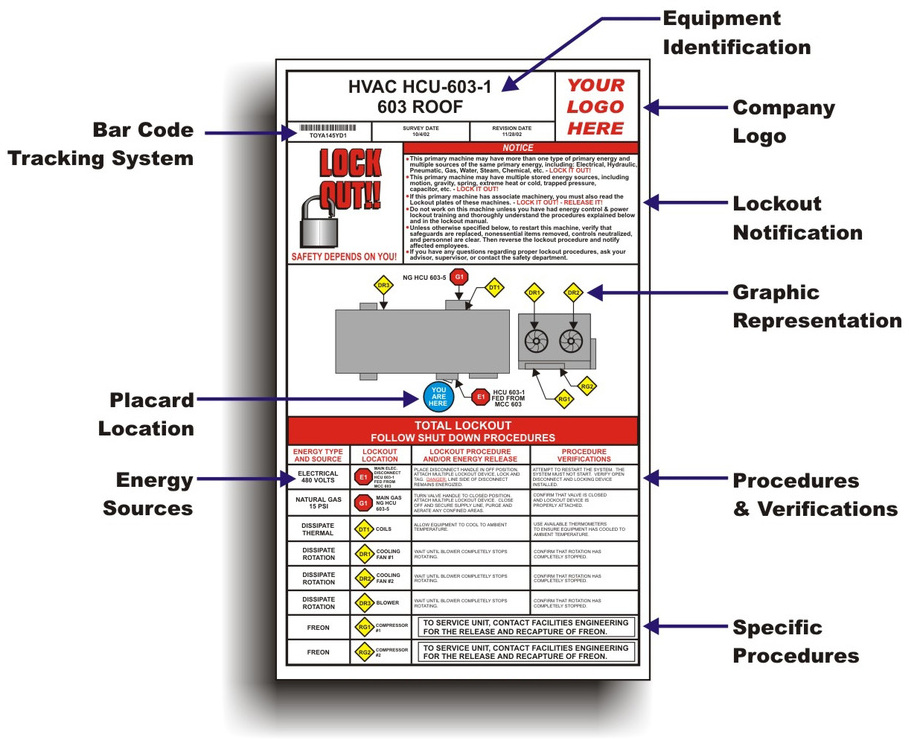
Start with clear documentation. Every machine should have a LOTO procedure card—visible, laminated, and posted near isolation points. These aren’t decorative. They’re references during real shutdowns.
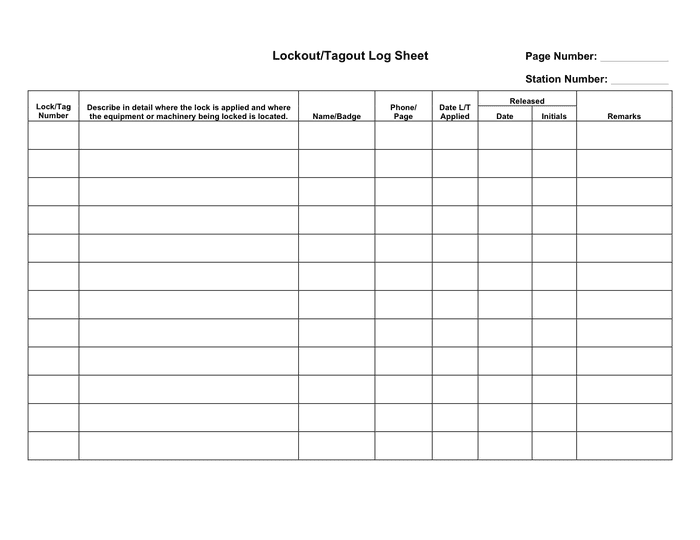
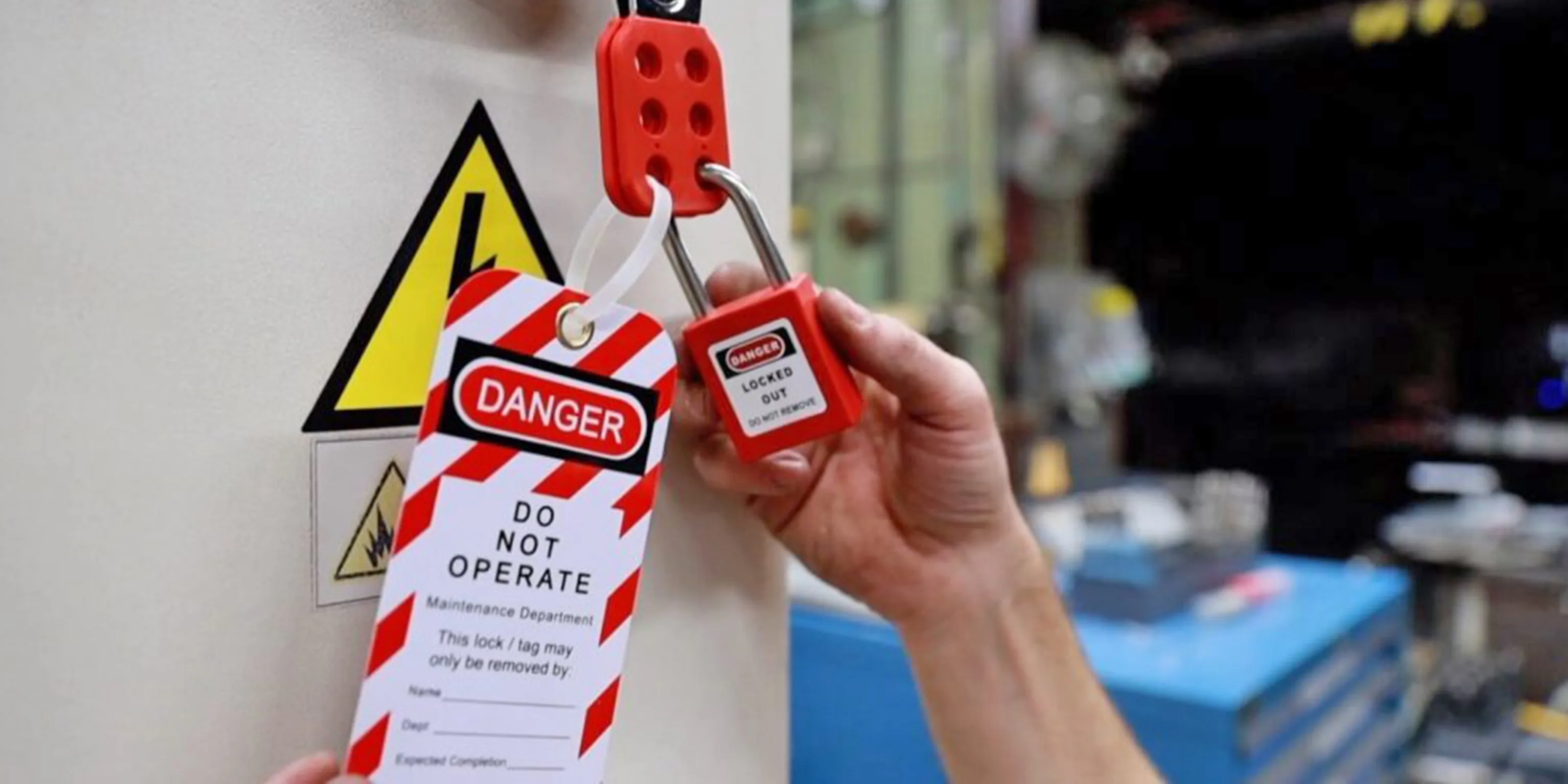
Use toolboards or lockout stations. These centralized locations hold locks, tags, hasps, and procedure sheets. They also serve as visual reminders of LOTO’s importance.
Encourage peer accountability. Train employees to speak up if they see a skipped step—even if it’s a supervisor bypassing a lock. Psychological safety is key: workers need to know reporting concerns won’t lead to retaliation.
Finally, track performance. Measure: - Percentage of completed annual refresher training - Number of LOTO audit deviations - Frequency of unsafe observations related to energy control
Data reveals trends. A spike in missed steps might signal fatigue, poor shift handovers, or unclear procedures.
Industry-Specific LOTO Training Challenges
One size never fits all. Here’s how training adapts across sectors.
#### Manufacturing High-mix environments with robotic cells, conveyors, and presses demand detailed isolation steps. Training must cover group lockout procedures when multiple technicians work on one machine.
#### Construction Mobile equipment and temporary power setups increase risk. Training should include lockout for generators, welders, and compressors—especially when handed off between crews.
#### Healthcare MRI machines, sterilizers, and lab equipment store significant energy. Biomedical technicians need LOTO skills, but training often gets overlooked. Include them in facility-wide programs.
#### Utilities High-voltage systems require specialized lockout knowledge. Training here must align with NFPA 70E and include arc flash awareness.
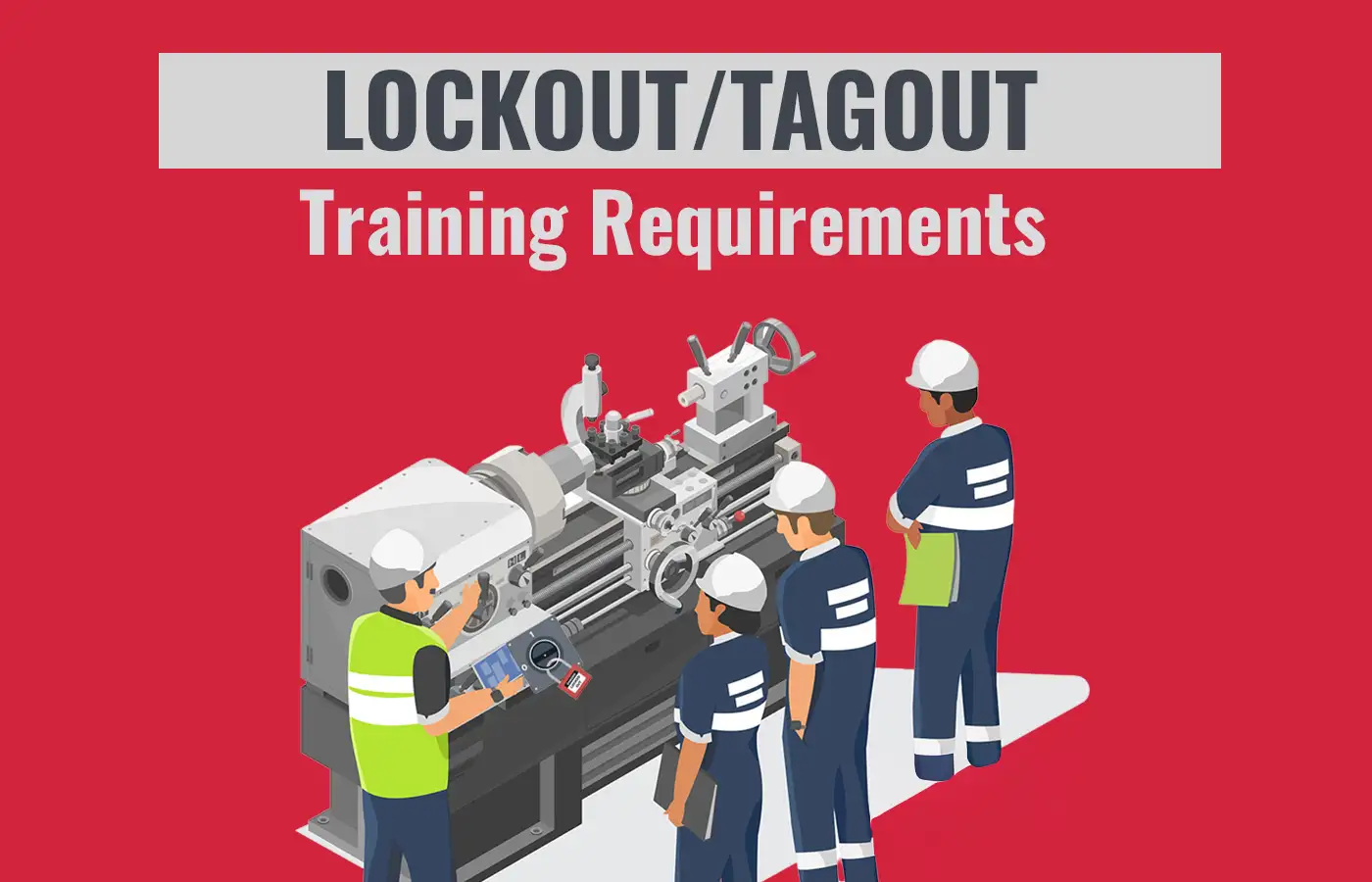
In all cases, language and literacy matter. Use pictograms, bilingual materials, and verbal assessments when needed. Comprehension—not attendance—defines training success.
How to Evaluate Your LOTO Training Program
Ask these questions to gauge effectiveness:
- Can authorized employees explain why each LOTO step matters—not just recite the sequence?
- Do affected employees know what to do if they see a locked machine?
- Are procedures updated when equipment changes?
- Do supervisors model proper LOTO behavior?
- Is there a process for reporting close calls or near-misses?
A strong program doesn’t just survive an OSHA inspection—it prevents incidents before they happen.
One refinery reduced its lost-time incidents by 41% over two years by overhauling its LOTO training: adding role-playing, upgrading visual aids, and requiring hands-on testing for certification.
Building a Sustainable LOTO Training Workflow
Make training continuous, not episodic.
Step 1: Conduct a site-wide energy control audit. Identify every machine with hazardous energy.
Step 2: Develop machine-specific LOTO procedures. Include photos, isolation points, and verification steps.
Step 3: Deliver initial training in small groups. Combine classroom learning with on-floor practice.
Step 4: Schedule annual refreshers. Rotate topics: one year focus on group lockout, the next on contractor safety.
Step 5: Audit randomly. Watch real lockouts. Provide immediate feedback.
Step 6: Update based on findings. If workers struggle with a specific machine, retrain and revise the procedure.
This cycle turns LOTO from a compliance task into a living safety practice.
The Bottom Line: Training That Saves Lives
Lockout tagout safety training isn’t about ticking a box. It’s about ensuring that when a worker opens a panel or cleans a machine, they do it with full control over every energy source.
Weak training leads to assumptions. Strong training builds confidence grounded in knowledge.
Invest in role-specific, hands-on, and regularly refreshed programs. Tie them to real equipment, real risks, and real consequences.
Because when the power comes back on, the only thing that should start up is the machine—not an investigation.
Frequently Asked Questions
What is the main goal of lockout tagout safety training? The primary goal is to protect workers from unexpected energization or release of hazardous energy during maintenance by ensuring they can properly isolate and verify energy control.
Who needs lockout tagout training? Both authorized employees (who perform servicing) and affected employees (who operate equipment) must be trained, though the depth differs by role.
How often should LOTO training be repeated? OSHA requires retraining at least once every 12 months, plus additional sessions if procedures change or deviations are found during audits.
Can tagout be used without lockout? Yes, but only if the tag provides equivalent protection and it’s not feasible to lock out. This requires documented justification and enhanced training.
What happens if LOTO procedures aren’t followed? Failure to follow LOTO can result in severe injuries, fatalities, OSHA citations, fines, and increased workers’ compensation claims.
Is online training enough for LOTO? Online modules can support training but aren’t sufficient alone. Hands-on practice and on-site verification are required for full compliance.
Do contractors need LOTO training? Yes. Any outside worker performing servicing must be trained on your facility’s specific LOTO procedures before beginning work.
FAQ
What should you look for in Lockout Tagout Safety Training That Actually Works? Focus on relevance, practical value, and how well the solution matches real user intent.
Is Lockout Tagout Safety Training That Actually Works suitable for beginners? That depends on the workflow, but a clear step-by-step approach usually makes it easier to start.
How do you compare options around Lockout Tagout Safety Training That Actually Works? Compare features, trust signals, limitations, pricing, and ease of implementation.
What mistakes should you avoid? Avoid generic choices, weak validation, and decisions based only on marketing claims.
What is the next best step? Shortlist the most relevant options, validate them quickly, and refine from real-world results.