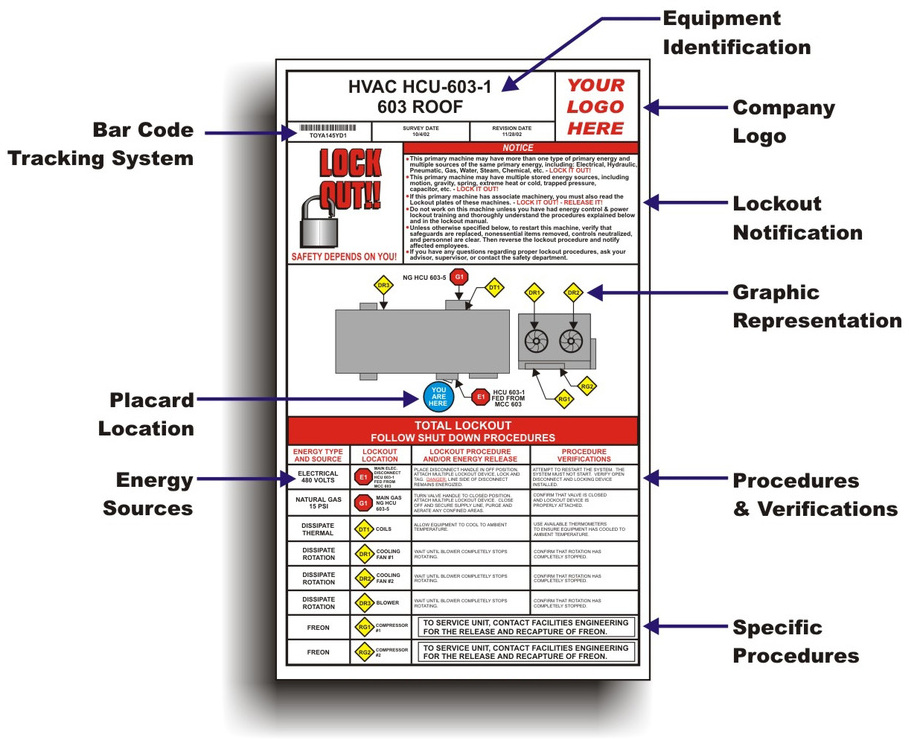
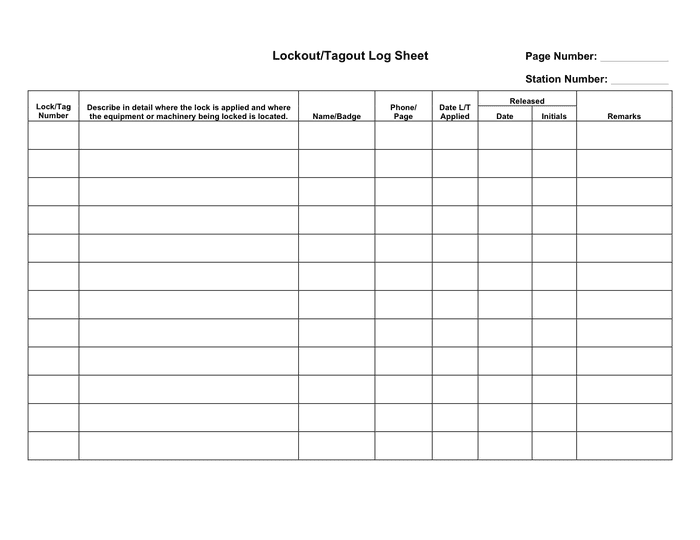
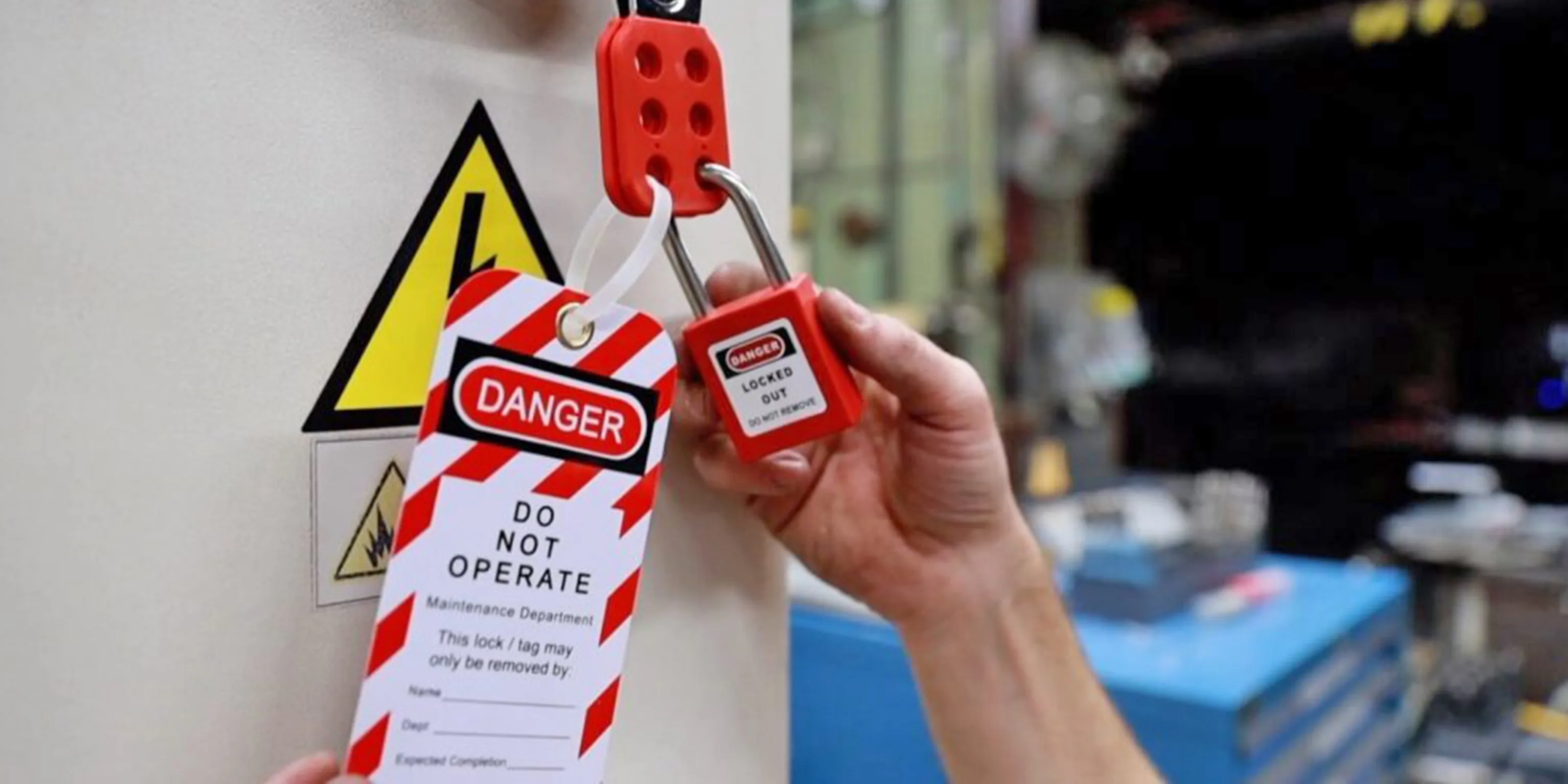
Equipment failure isn’t always the biggest danger in industrial environments. Often, the real risk comes when machines are turned off—during maintenance, repair, or cleaning. That’s when uncontrolled energy release can lead to catastrophic injury or death. Lockout locks and tags are the frontline defense in these scenarios, forming the core of a Lockout/Tagout (LOTO) program that saves lives.
These aren’t just accessories. They are engineered safety tools designed to physically isolate energy sources and clearly communicate that equipment is unsafe to operate. From a simple valve lockout to a complex electrical disconnect system, the right locks and tags make the difference between a routine service and a preventable tragedy.
What Are Lockout Locks and Tags?
Lockout locks and tags are physical devices used to secure energy-isolating mechanisms—like circuit breakers, valves, or switches—during maintenance. The lock prevents accidental or unauthorized re-energizing, while the tag provides critical information about the lockout: who applied it, when, why, and how long it should remain.
Think of them as a safety contract between the worker and the machine. The lock is the promise: “This device is not to be operated.” The tag is the explanation: “Because I’m inside cleaning the conveyor, and turning this on could kill me.”
OSHA standard 29 CFR 1910.147 sets the legal baseline for LOTO in the U.S., requiring that each authorized employee use their own lock and tag. This personal accountability is non-negotiable. A shared lock or missing tag isn’t just a paperwork issue—it’s a compliance failure with serious legal and safety consequences.
How Lockout Systems Prevent Workplace Injuries
Every year, hundreds of workers are injured or killed during servicing operations due to improper energy control. The Bureau of Labor Statistics reports that failure to control hazardous energy accounts for nearly 10% of serious accidents in manufacturing.
Lockout locks and tags mitigate this by enforcing a clear, standardized procedure:
- Isolation: Energy sources (electrical, hydraulic, pneumatic, mechanical, chemical) are physically disconnected.
- Locking: A lock is applied to the isolation point, ensuring it cannot be re-engaged.
- Tagging: A durable, legible tag explains the reason for lockout and identifies the responsible worker.
- Verification: The worker tests the machine to confirm zero energy state.
For example, a maintenance technician servicing a hydraulic press must first shut off the main power, close and lock the hydraulic valve, and attach a tag stating, “Do Not Operate – Repair in Progress – John Doe, 8:15 AM.” Without this, a coworker unaware of the service might restart the system, leading to sudden movement and severe injury.
Common breakdowns occur when workers bypass locks due to time pressure, use inadequate tagging, or fail to verify de-energization. These aren’t just procedural errors—they’re systemic risks that lockout systems are designed to eliminate.
Types of Lockout Locks: Matching the Tool to the Task
Not all locks are the same. Choosing the right one depends on the environment, energy type, and access point. Here’s a breakdown of common lock types and their applications:
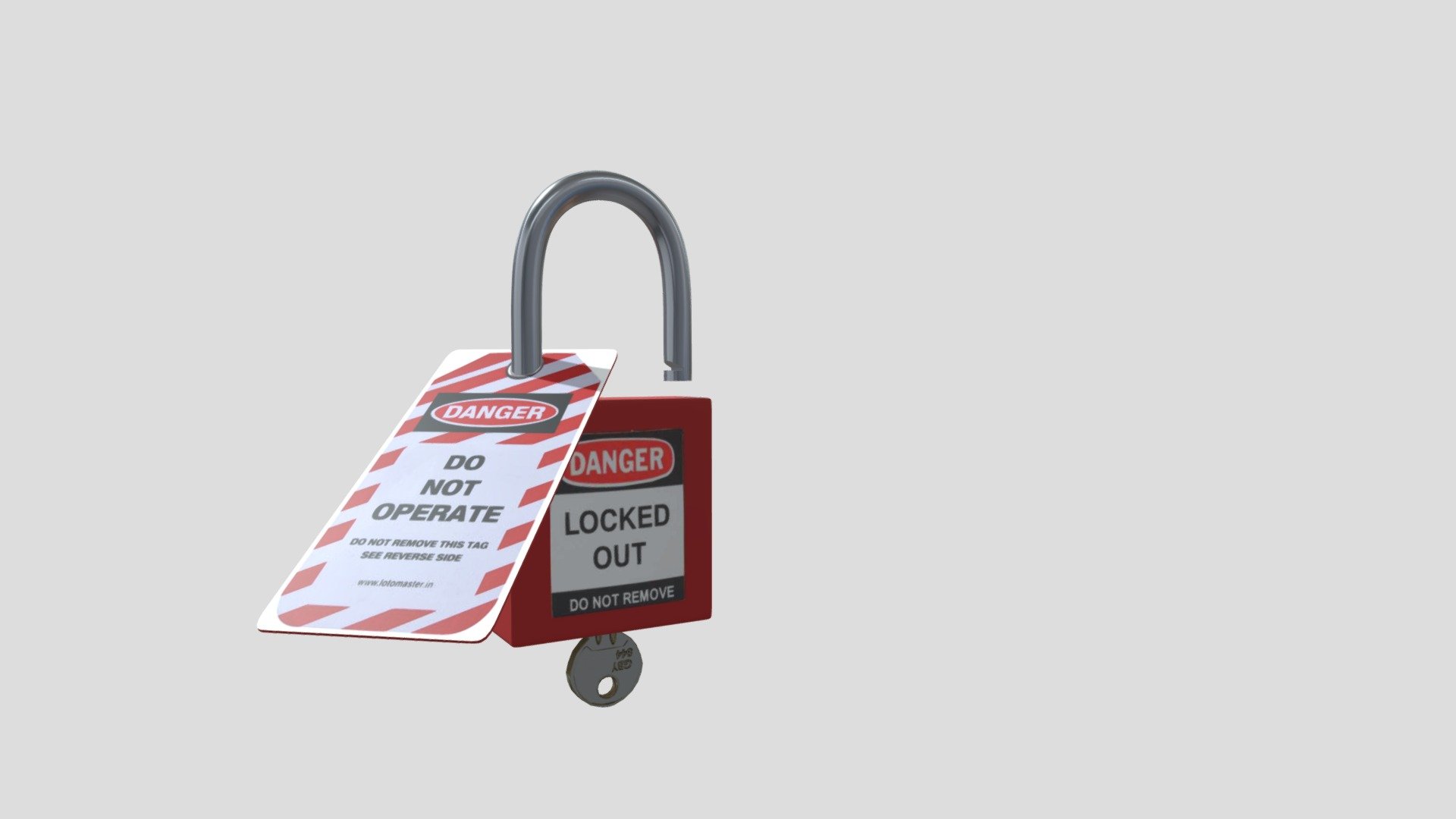
Padlocks The most widely used lockout device. Constructed from non-conductive materials like nylon or brass to prevent electrical conductivity, they’re ideal for circuit breakers, disconnect switches, and valve handles. Worker-specific keyed or combination locks ensure individual accountability.
Valve Lockouts Used on ball valves, gate valves, and butterfly valves. These clamps over the handle to prevent rotation. Some models accept standard padlocks, while others use integrated locking mechanisms.
Circuit Breaker Locks Designed to fit over breaker toggles, these prevent accidental flipping. They’re available in single and multi-breaker configurations, allowing multiple employees to lock out the same circuit during group maintenance.
Plug and Cord Locks Used on equipment that plugs into a wall outlet. These lock the plug into a special housing, rendering the cord unusable until unlocked.
Hasps and Group Lockout Stations
When multiple workers are involved, a hasp allows each person to apply their own lock to a single isolation point. Group lockout stations store these devices along with tags and logs, centralizing control during complex maintenance.
Selecting the wrong lock—like using a metal padlock near high-voltage equipment—introduces new hazards. Always verify material compatibility, lock strength, and environmental resistance (e.g., moisture, chemicals).
Design and Functionality of Effective Lockout Tags
A lock without a tag is incomplete. OSHA requires tags to include:
- The name of the authorized employee
- Date and time of application
- Reason for lockout
- Contact information or department
But compliance is just the baseline. Effective tags go further:
- Bright colors: Red, orange, or yellow backgrounds signal danger and urgency.
- Weather-resistant materials: Laminated polyester or vinyl withstand grease, moisture, and UV exposure.
- Pre-printed fields: Reduce errors and ensure consistency.
- Bilingual options: Essential in multilingual workplaces.
- Barcodes or QR codes: Allow digital tracking and integration with maintenance software.
A poorly designed tag—faded, handwritten, or incomplete—can be ignored or misunderstood. In one case, a worker removed a lock because the tag was illegible, assuming it was leftover from a previous job. The machine activated mid-service. The outcome was avoidable.
Tags should be standardized across the facility and stored with locks to ensure availability. Lost or damaged tags should be replaced immediately—no exceptions.
Common Mistakes in Lockout/Tagout Programs
Even companies with LOTO policies in place often fall short in execution. Here are recurring issues that undermine safety:
1. Using Tags Without Locks Tagout-only systems are permitted only when energy isolation cannot be physically locked. But many sites use tags as a shortcut—even when locks are feasible. This increases risk, as tags can be removed more easily.
2. Shared Locks or Master Keys Giving supervisors a “master” key to remove locks defeats personal accountability. Only the worker who applied the lock should remove it—unless under strict emergency protocols.
3. Incomplete Energy Isolation Machines often have multiple energy sources. A technician might shut off electrical power but neglect stored hydraulic pressure. Full hazard assessment is required before any lockout.
4. Poor Training and Documentation Workers must be retrained annually and whenever procedures change. Without proper documentation, audits fail and compliance erodes.
5. Rushing the Process In time-sensitive environments, workers skip steps: no verification, incomplete tagging, or temporary bypasses. These shortcuts create dangerous precedents.

Fixing these issues starts with culture. Safety can’t be a checklist—it must be embedded in daily operations.
Real-World Applications Across Industries
Lockout locks and tags aren’t just for factories. Their use spans diverse settings:
- Manufacturing: Conveyor systems, robotic arms, and CNC machines require multi-point lockout during servicing.
- Healthcare: MRI machines, autoclaves, and sterilizers need controlled shutdowns to protect technicians.
- Facilities Management: HVAC units, boilers, and elevators pose risks during maintenance.
- Utilities: Workers servicing transformers, pumps, or pipelines rely on lockout to prevent explosions or electrocution.
- Food Processing: High-moisture environments demand corrosion-resistant locks and waterproof tags.
In one food processing plant, a mixer cleanup led to a fatality when the machine was accidentally started. Investigation revealed no lockout was used—despite having ample equipment on-site. The result: $300,000 in OSHA fines and irreversible reputational damage.
These cases underscore that LOTO isn’t optional. It’s a fundamental practice that scales with risk.
Choosing the Right Lockout Kit for Your Facility
Pre-assembled lockout kits streamline compliance by bundling essential tools. When evaluating options, consider:
| Feature | Why It Matters |
|---|---|
| Material | Non-conductive (nylon, brass) for electrical safety |
| Weather Resistance | Critical for outdoor or washdown areas |
| Lock Quantity | Enough for group lockout scenarios |
| Tag Customization | Space for names, dates, and notes |
| Portability | Durable carrying case for mobile teams |
Top-tier kits often include: - Individual padlocks with unique keys - Valve lockouts (ball and gate) - Circuit breaker locks - Lockout hasps - Tags in multiple languages - Storage case
These kits reduce confusion and ensure consistency. A technician shouldn’t have to hunt for a lock—everything should be accessible and ready.
5 Leading Lockout Lock and Tag Solutions
- Master Lock LOTO Station Kit (410-10-RED)
- Comprehensive kit with 10 padlocks, hasps, tags, and breaker locks. Ideal for small teams. Durable steel cabinet with customizable labeling.
- Grace Industries 6100 Series Lockout Stations
- Modular design allows expansion. Offers bilingual tags and chemical-resistant construction. Popular in pharmaceutical and food industries.
- SafelyNow Digital LOTO System
- Cloud-based platform with QR-coded locks and mobile app tracking. Provides real-time lockout status and audit trails. Best for large or distributed operations.
- Seton Lockout Tagout Assortment Kit
- Budget-friendly starter kit with essential components. Includes plastic padlocks, valve locks, and pre-printed tags. Suited for low-risk environments.
- 3M Lockout/Tagout Value Pack
- High-visibility tags with strong adhesion. Includes circuit lockouts and insulated padlocks. Trusted for electrical safety compliance.
Each option serves different needs—manual vs. digital, small team vs. enterprise. Choose based on scale, risk level, and existing safety infrastructure.
Strengthening Compliance Through Culture and Training
Equipment alone won’t ensure safety. A lockout program lives or dies by its people. Effective training must go beyond theory:
- Simulated lockout drills
- Real-time hazard identification
- Role-playing tag communication
- Annual refreshers with updated procedures
Supervisors should audit lockout practices monthly, not just during OSHA inspections. Digital tools can help, but human oversight remains irreplaceable.
When a worker sees a lock and tag, they should feel an automatic pause—not annoyance. That mindset shift comes from consistent leadership, clear policies, and zero tolerance for shortcuts.
Lockout locks and tags are more than hardware. They’re symbols of responsibility. Install the right systems, train your team rigorously, and make every lock count. Safety isn’t a moment—it’s a standard.
FAQ
What should you look for in Lockout Locks and Tags: Your Guide to Safer Equipment Control? Focus on relevance, practical value, and how well the solution matches real user intent.
Is Lockout Locks and Tags: Your Guide to Safer Equipment Control suitable for beginners? That depends on the workflow, but a clear step-by-step approach usually makes it easier to start.
How do you compare options around Lockout Locks and Tags: Your Guide to Safer Equipment Control? Compare features, trust signals, limitations, pricing, and ease of implementation.
What mistakes should you avoid? Avoid generic choices, weak validation, and decisions based only on marketing claims.
What is the next best step? Shortlist the most relevant options, validate them quickly, and refine from real-world results.