When a maintenance worker reaches into a jammed conveyor belt without shutting it down, the outcome can be catastrophic. In seconds, limbs vanish, lives change, and companies face lawsuits. This is why lockout and tagout (LOTO) procedures exist—not as bureaucratic checkboxes, but as life-saving protocols embedded in every responsible industrial environment.
LOTO isn’t just a safety procedure. It’s a systematic approach to controlling hazardous energy sources—electrical, mechanical, hydraulic, pneumatic, chemical, thermal, or other—that could unexpectedly activate machinery during servicing. When done correctly, it prevents thousands of injuries annually. When ignored or poorly executed, it becomes a pathway to preventable harm.
This guide breaks down the real-world mechanics of lockout and tagout procedures: who must implement them, how to build an effective program, and what most organizations get wrong.
What Are Lockout and Tagout Procedures?
Lockout refers to the physical isolation of energy sources using locks, bolts, or other hardware that prevents re-energizing machines. Tagout involves placing warning tags on equipment to signal that it’s under maintenance and should not be operated.
Together, LOTO ensures that machines are de-energized, isolated, and verified safe before any employee performs servicing or maintenance. The process applies to everything from industrial presses and robotic arms to HVAC systems and conveyor lines.
The core steps of a standard LOTO procedure include:
- Preparation – Identify all energy sources powering the equipment.
- Notification – Inform affected employees that maintenance will occur.
- Shutdown – Turn off the machine using normal stopping procedures.
- Isolation – Disconnect or block all energy sources (e.g., flip breakers, close valves).
- Lockout/Tagout Application – Apply personal locks and tags to each isolation point.
- Controlled Release of Residual Energy – Bleed pressure, drain fluids, block moving parts.
- Verification – Attempt to restart the machine (safely) to confirm it cannot start.
- Restoration – After work, remove locks and tags, re-energize, and notify staff.
Each step is critical. Skipping even one—like failing to release stored energy—can lead to explosions, electrocution, or crushing incidents.
Why OSHA Enforces LOTO Standards
The Occupational Safety and Health Administration (OSHA) mandates LOTO under 29 CFR 1910.147. This regulation isn’t optional. It applies to any workplace where employees service or maintain machines with hazardous energy sources.
OSHA estimates that proper LOTO implementation prevents an estimated 120 fatalities and 50,000 injuries each year. Yet, LOTO violations consistently rank among the top 10 OSHA citations—proof that many companies still treat it as a paperwork exercise rather than a frontline safety system.
Common OSHA violations include:
- Lack of documented energy control procedures
- Failure to provide adequate employee training
- Inconsistent use of lockout devices
- Not conducting periodic inspections (at least annually)
- Allowing unauthorized personnel to remove locks
One high-profile case involved a food processing plant where a worker was pulled into a mixer while cleaning it. The machine wasn’t locked out. The company paid over $200,000 in fines and faced a wrongful death lawsuit.
The financial and human costs of noncompliance are too high to ignore.
Who Is Responsible for LOTO Compliance?
Responsibility for LOTO isn’t centralized—it’s shared across roles, but accountability must be clear.
#### Authorized Employees These are trained personnel who physically implement lockout and perform maintenance. They must:
- Know the types and magnitudes of energy involved
- Locate and operate all isolation devices
- Apply their own lock and tag
- Verify isolation before beginning work
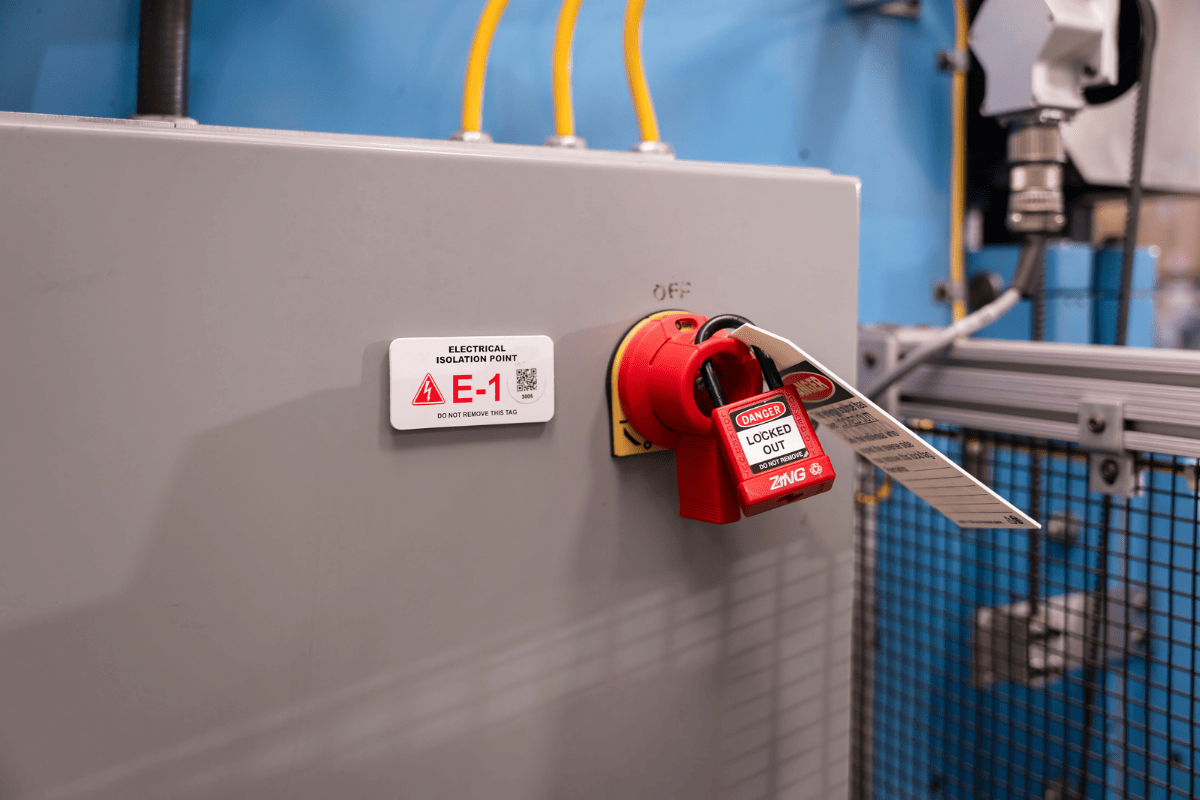
One critical rule: only the authorized employee who applied a lock can remove it, unless a formal break-in procedure is followed under strict supervision.
#### Affected Employees These are operators or others who use or work near the equipment but don’t perform maintenance. They must understand:
- The purpose of LOTO
- When it’s in effect
- That they must never attempt to restart locked-out equipment
Training for affected employees is less technical but equally important. Miscommunication here can lead to someone unknowingly re-energizing a machine.
#### Employer Responsibilities Employers must:
- Develop written LOTO procedures for each machine
- Provide locks, tags, hasps, and other hardware
- Train both authorized and affected employees
- Conduct annual audits of LOTO practices
- Update procedures when machines change
A common failure is using generic “one-size-fits-all” procedures. OSHA requires machine-specific LOTO steps. A press brake needs a different procedure than a centrifuge.
Real-World LOTO Examples and Common Mistakes
Let’s look at two realistic scenarios that illustrate proper and improper LOTO execution.
#### Example 1: Correct LOTO on a Hydraulic Press A maintenance technician prepares to replace a worn seal on a hydraulic press. She:
- Reviews the written LOTO procedure
- Notifies her supervisor and coworkers
- Shuts down the press using the emergency stop
- Closes the main hydraulic valve and locks it with a personal lock
- Flips the electrical disconnect and applies a second lock
- Tags both isolation points with her name, date, and reason
- Releases residual pressure by opening relief valves
- Attempts to cycle the press (it doesn’t move—verification successful)
- Begins repairs only after confirming zero energy
This is textbook LOTO. Every energy source is isolated, verified, and documented.
#### Example 2: Dangerous Shortcut on a Conveyor System A mechanic clears a jam in a powered roller conveyor. He turns off the control panel but doesn’t:
- Lock out the main power disconnect
- Apply a tag
- Check for stored momentum or gravity feed
While reaching in, a coworker restarts the system remotely. The mechanic loses two fingers.
The root cause? Complacency. He’d done it “a hundred times before.” But energy doesn’t care about experience—it only responds to control.
#### Common Mistakes That Undermine LOTO
- Group Lockout Confusion: When multiple workers are involved, each must apply their own lock. A single master lock is not compliant.
- Tag Reliance Without Locks: Tags alone don’t physically prevent energizing. Locks must be used unless tag-only programs are justified (rare).
- Shared or Lost Keys: Personal locks should be keyed differently. Shared keys create loopholes.
- Failure to Verify: Assuming the machine is off without testing is a deadly assumption.
- Inadequate Training: Contractors or temporary workers often aren’t trained on site-specific LOTO.
These aren’t edge cases—they’re patterns seen in incident investigations.
Building a LOTO Program: Step-by-Step
Creating an effective lockout and tagout program isn’t about buying locks and writing a manual. It’s a cultural and operational shift.
#### Step 1: Conduct an Energy Audit Walk through every machine. Identify all energy sources: main power, backup batteries, pneumatic lines, springs, elevated parts. Document each.
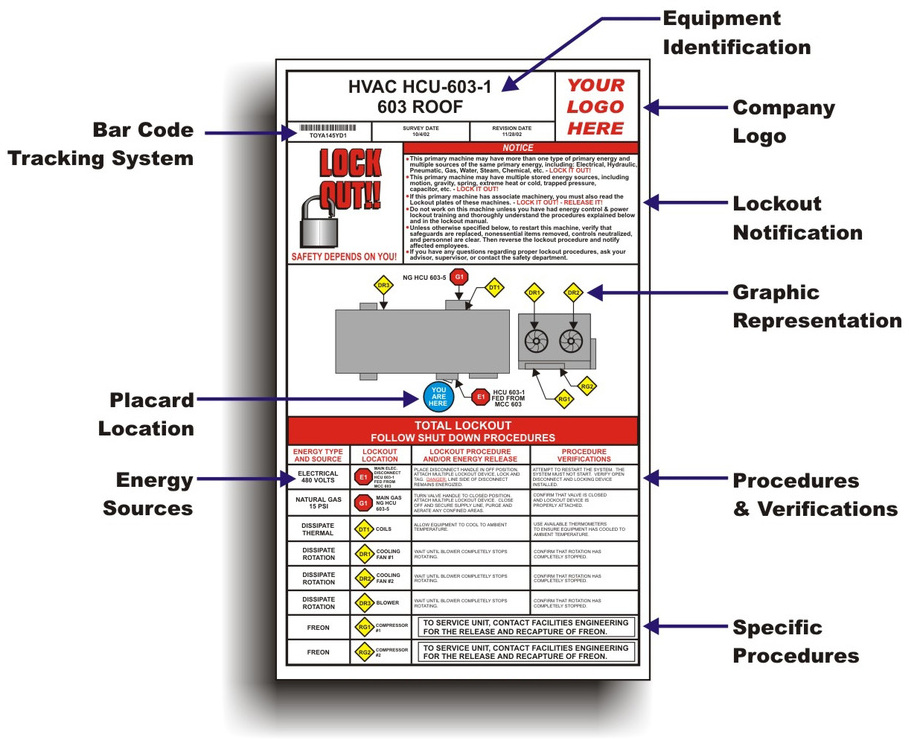
#### Step 2: Develop Machine-Specific Procedures For each piece of equipment, create a LOTO checklist. Include:
- Equipment name and ID
- Energy sources to isolate
- Sequence for shutdown and isolation
- Location of isolation devices
- Verification method
Use visuals when possible—a photo of the lockout point speeds up execution.
#### Step 3: Procure LOTO Equipment Invest in quality gear:

- Individual locks (color-coded or keyed differently per employee)
- Lockout hasps and valve locks
- Tags with durable, weather-resistant material
- Lockout stations or kits near high-risk machines
Avoid cheap, generic locks that can be easily cut or duplicated.
#### Step 4: Train and Re-Train Initial training isn’t enough. Hold refreshers annually. Use drills—simulate a LOTO scenario and observe execution.
Include contractors. If an outside technician works on your equipment, they must follow your LOTO rules.
#### Step 5: Audit and Improve Once a year, watch an authorized employee perform a full LOTO. Compare it to the written procedure. Document gaps.
Use audits to update outdated procedures and identify training needs.
What to Look for in LOTO Devices
Not all lockout devices are created equal. Choosing the right hardware matters.
| Device Type | Purpose | Key Features |
|---|---|---|
| Padlocks | Secure isolation points | Non-conductive, keyed differently, durable |
| Valve Lockouts | Prevent reopening of gas/liquid lines | Fits gate, ball, and needle valves |
| Circuit Breaker Locks | Prevent electrical re-energizing | Fits standard breakers, tamper-resistant |
| Hasps | Allow multiple locks on one point | Corrosion-resistant, accepts multiple padlocks |
| Plug Lockouts | Block electrical cords | Fits common plug sizes, weather-resistant |
Invest in kits tailored to your facility. A manufacturing plant might need pneumatic lockouts; a lab may need cryogenic gas isolators.
Integrating LOTO into Daily Operations
The best LOTO programs don’t live in binders—they’re embedded in workflow.
- Pre-Work Checklists: Add LOTO verification to maintenance tickets.
- Digital Reminders: Use CMMS (Computerized Maintenance Management Systems) to prompt LOTO before work orders are approved.
- Visual Cues: Post LOTO procedures near machines. Use floor markings around isolation points.
- Safety Stand-Downs: Hold monthly discussions on near-misses or LOTO challenges.
One automotive plant reduced maintenance injuries by 70% in two years simply by requiring a supervisor sign-off on every LOTO verification.
The Bottom Line: LOTO Is Non-Negotiable
Lockout and tagout procedures are not bureaucratic hurdles. They are engineered defenses against chaos. Every time a worker applies a lock, they’re not just following a rule—they’re asserting control over a potentially lethal machine.
Compliance starts with documentation, but it only works through consistent practice, leadership support, and a culture that prioritizes safety over speed.
If your LOTO program consists of a folder on a shelf, it’s already failing. Revise your procedures, train your people, audit your execution—and make sure every lock tells a story of prevention, not regret.
Frequently Asked Questions
What is the difference between lockout and tagout? Lockout physically prevents energy restoration using a lock; tagout uses a warning tag. Tagout alone is only acceptable when lockout is not feasible, and additional safety measures must be in place.
Can someone else remove my lock during LOTO? Only under a formal break-in procedure, typically requiring management approval, verification that the worker is safe, and documented steps. Otherwise, the authorized employee must remove their own lock.
Do LOTO procedures apply to corded tools? Yes. Small equipment like bench grinders or drills must be unplugged and locked out if servicing exposes moving parts or electrical components.
How often should LOTO procedures be reviewed? Annually, at minimum. Also review after any incident, near-miss, or equipment modification.
Are contractors required to follow our LOTO program? Yes. Employers must ensure contractors are trained and follow site-specific LOTO procedures.
What qualifies as residual energy? Stored energy that remains after shutdown—such as compressed air, hydraulic pressure, elevated machine parts, or capacitors holding electrical charge.
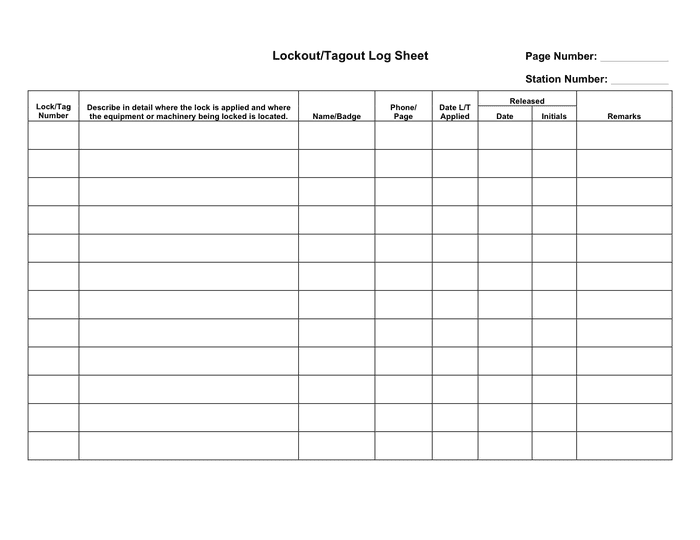
Is a lockout logbook necessary? Not required by OSHA, but highly recommended. It provides a record of who locked out equipment, when, and for what purpose—critical during shift changes or emergencies.
FAQ
What should you look for in Lockout and Tagout Procedures: A Complete Guide to Safety? Focus on relevance, practical value, and how well the solution matches real user intent.
Is Lockout and Tagout Procedures: A Complete Guide to Safety suitable for beginners? That depends on the workflow, but a clear step-by-step approach usually makes it easier to start.
How do you compare options around Lockout and Tagout Procedures: A Complete Guide to Safety? Compare features, trust signals, limitations, pricing, and ease of implementation.
What mistakes should you avoid? Avoid generic choices, weak validation, and decisions based only on marketing claims.
What is the next best step? Shortlist the most relevant options, validate them quickly, and refine from real-world results.