Most toolbox talks fail before they start. They’re rushed, recycled, or read from a script no one hears. Workers zone out. Supervisors check a box. And safety risks slip through.
But when done right, a 5- to 10-minute toolbox talk can prevent injuries, spark real conversations, and reinforce a culture where safety isn’t policy—it’s practice. The best part? You don’t need a corporate training budget. There are dozens of high-impact, free safety topics for toolbox talks that are ready to use, adapt, and deliver on-site.
This guide cuts through the noise. You’ll find actionable safety topics, real-world examples, and structured delivery methods that keep teams engaged—without spending a dime.
What Makes a Toolbox Talk Effective
A toolbox talk isn’t just a lecture before the workday starts. It’s a targeted safety intervention. When it works, it’s interactive, relevant, and timely.
Key traits of high-impact toolbox talks: - Short and focused (5–10 minutes) - Site-specific (tied to current tasks or conditions) - Interactive (includes questions, demonstrations, or group input) - Documented (attendance and topic recorded)
Example: A roofing crew holds a talk about harness anchor points before climbing, using the actual harnesses they’ll wear. The supervisor asks each worker to point out a secure anchor on the structure. That’s engagement. That’s retention.
Common mistake: Repeating the same generic “hard hat safety” talk every Monday. Workers tune out. Relevance dies.
Instead, rotate topics based on seasonal risks, task changes, near-misses, or audit findings. Free safety topics are only valuable when they’re applied with intention.
Top 10 Free Safety Topics for High-Risk Industries
These free safety topics address frequent hazards in construction, manufacturing, utilities, and maintenance. Each can be delivered in under 10 minutes and adapted to your site.
1. Proper Use of PPE (Personal Protective Equipment) Go beyond “wear your gloves.” Focus on why and how. - Are gloves chemical-resistant for the task? - Is eye protection sealed against dust or splash? - When should respirators be inspected?
Use case: A painting crew reviews organic vapor respirator fit checks after a near-miss with fumes.
2. Ladder Safety Most ladder incidents involve misuse, not faulty equipment. - 3-point contact rule - Proper angle (1:4 ratio) - Carrying tools safely (use a belt or hoist)
Demonstrate by setting up a ladder incorrectly—then fix it as a group.
3. Hand Safety Hands are among the most injured body parts. - Pinch points in machinery - Proper glove selection - No gloves near rotating equipment

Example: A mechanic shares how a loose glove caught in a drive shaft led to a severe injury at a nearby site.
4. Fall Protection Focus on practical gaps:
- Are guardrails missing in temporary work areas?
- Are harnesses inspected daily?
- Is rescue planning part of fall protection?
Tip: Walk the perimeter and identify unprotected edges.
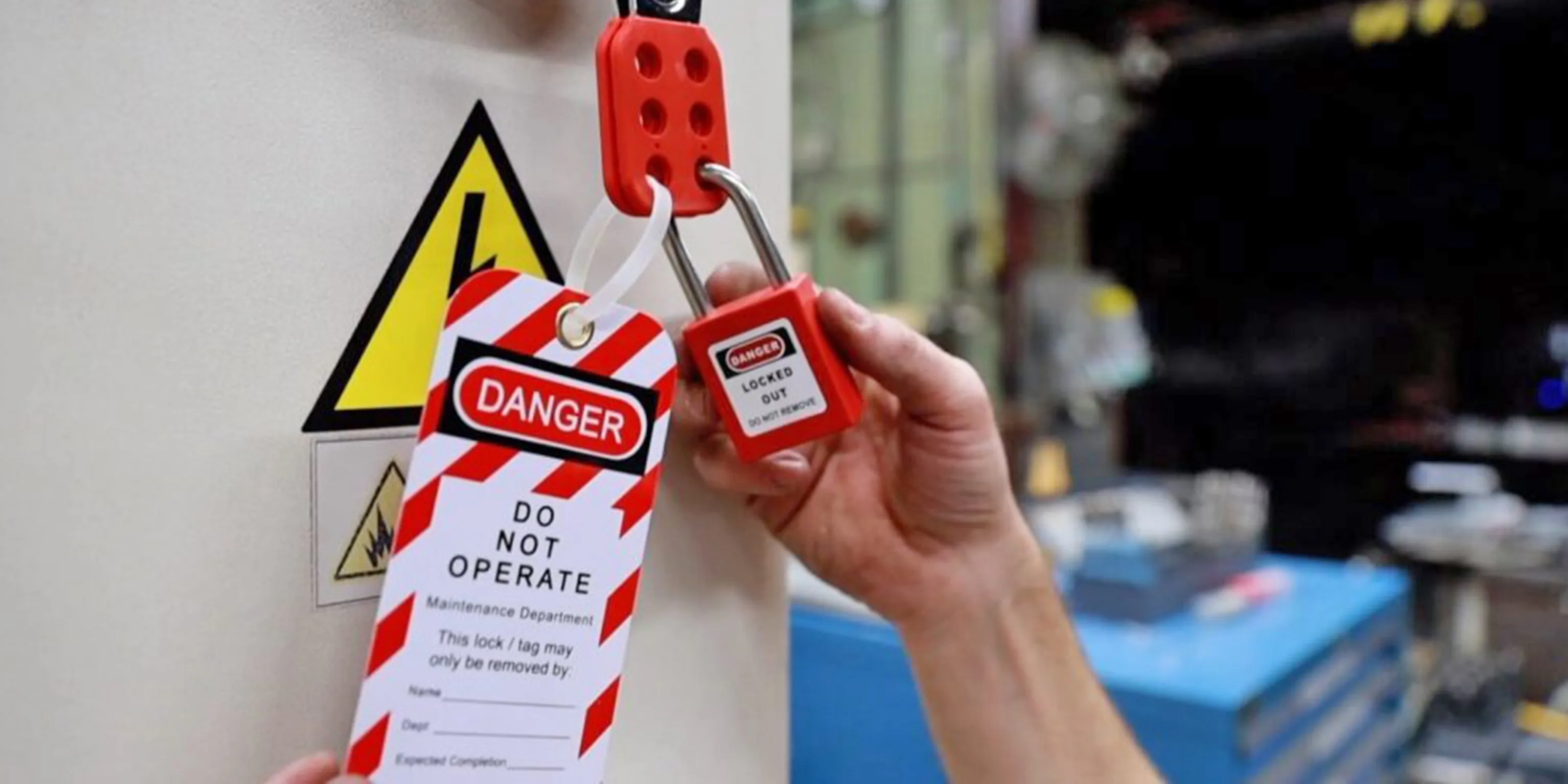
5. Electrical Safety Even low-voltage tasks carry risk. - Lockout/tagout basics - Identifying damaged cords - Working near overhead lines
Mistake to avoid: Assuming “minor” electrical work doesn’t need precautions.
6. Slips, Trips, and Falls Most common—but preventable. - Housekeeping responsibilities - Marking wet floors - Using proper footwear
Make it visual: Point out cluttered walkways during the talk.
7. Heat Stress Awareness Critical in summer or indoor high-heat zones. - Recognizing early signs (dizziness, nausea) - Hydration schedules - Buddy system monitoring
Use case: A crew working in a boiler room reviews cooldown procedures and water intake goals.
8. Cold Stress and Winter Hazards Often overlooked. - Layering clothing properly - Recognizing frostbite symptoms - Preventing slips on ice
Tip: Share wind chill safety charts from OSHA or NIOSH.
9. Ergonomics and Manual Handling Back injuries cost millions annually. - Proper lifting technique (lift with legs, not back) - Use of mechanical aids - Team lifting for heavy loads
Demonstrate: Have two workers lift a heavy object—once incorrectly, once with proper form.
10. Near-Miss Reporting Culture starts here. - What counts as a near-miss? - How to report without fear of blame - Real examples from your site (anonymized)
Example: A dropped tool narrowly misses a worker. Reporting it leads to better tool tethering policy.
How to Source Reliable Free Safety Topics
You don’t need to create content from scratch. Trusted organizations offer free, printable toolbox talks—no paywall, no trial.
Best Free Sources for Safety Topics
- OSHA (Occupational Safety and Health Administration)
- - Offers industry-specific safety guides and talking points
- - Direct access to standards and compliance language
- NIOSH (National Institute for Occupational Safety and Health)
- - Research-backed topics like hearing loss, chemical exposure
- - Printable fact sheets and alert notices
- CDC Workplace Safety Resources
- - Covers mental health, fatigue, and pandemic-related risks
- - Easily adaptable for non-industrial settings
- Construction Industry Institute (CII)
- - Free toolbox talk templates for construction crews
- - Includes facilitator guides and discussion prompts
- SafetyNow, SafetyInfo, and HSE Toolbox
- - Large libraries of downloadable talks
- - Some require email sign-up but are genuinely free

Pro tip: Download 10–15 talks, then customize them. Insert your company name, site photos, or real incidents. It boosts credibility and relevance.
Common Mistakes That Kill Engagement
Even great content fails with poor delivery. Avoid these pitfalls:
- Reading verbatim – Workers hear monotone scripts as noise. Use bullet points, not paragraphs.
- Ignoring feedback – Ask, “Has anyone seen this hazard before?” Listen.
- Skipping documentation – No sign-in sheet? No proof it happened. OSHA fines don’t care.
- One-size-fits-all topics – A talk on forklift safety won’t resonate with electricians. Segment your crews.
- Holding talks in distracting areas – Wind, noise, or looming deadlines break focus. Find a quiet spot.
Instead, use the “See, Say, Do” method: - See the hazard (point to it) - Say what could go wrong - Do the safe practice (demonstrate or have someone else do it)
This sensory engagement boosts retention by up to 70%, according to safety training studies.
Making Free Topics Work in Real Workflows
Free doesn’t mean low-effort. Integrate toolbox talks into daily routines.
Sample Weekly Plan for a Construction Crew
| Day | Topic | Delivery Method |
|---|---|---|
| Monday | Fall Protection Anchors | On-site demo with harnesses |
| Tuesday | Hand Tool Safety | Inspect tools before use |
| Wednesday | Heat Stress Signs | Review hydration plan |
| Thursday | Ladder Angle Check | Set up ladder, correct angle |
| Friday | Near-Miss Share-Out | Anonymous input, group review |
This rhythm builds habit. Workers start expecting the talk—and contributing.
Customizing Free Talks for Maximum Impact
Downloaded a PDF from OSHA on respiratory protection? Good start. Now make it yours.
Before: “Respirators must be worn in contaminated areas.”
After (customized): “This week, we’re sanding paint in the east wing. That dust contains silica. Anyone working there must wear the N95 respirators stored in Box 3. Check the seal by cupping your hands over it and inhaling. If air leaks, adjust the straps. Report damaged masks to Jake by noon.”
See the difference? Specifics build accountability.
Other customization tips: - Add site photos to handouts - Include names of responsible supervisors - Reference recent events (“Remember the frayed cord we found Tuesday?”)
Actionable Closing: Start Strong, Stay Consistent
Free safety topics for toolbox talks aren’t just a compliance checkbox—they’re a frontline defense against injury. The best ones are simple, visual, and tied to real work.
Start next week with one high-risk topic your crew faces daily. Use a free template from OSHA or NIOSH. Deliver it on-site, in under ten minutes, with one interactive question. Document it. Repeat.
Over time, those short conversations compound into a safer, more aware team. And that’s worth far more than any paid safety program.
Frequently Asked Questions
Where can I find free toolbox talk templates? OSHA, NIOSH, CDC, and HSE Toolbox offer free, printable templates for common safety topics. No registration required for most.
How often should toolbox talks be held? Weekly is ideal. Daily for high-risk tasks like excavation, confined space entry, or working at heights.
Who should lead a toolbox talk? Supervisors, safety officers, or experienced crew members. The leader should know the topic and encourage participation.
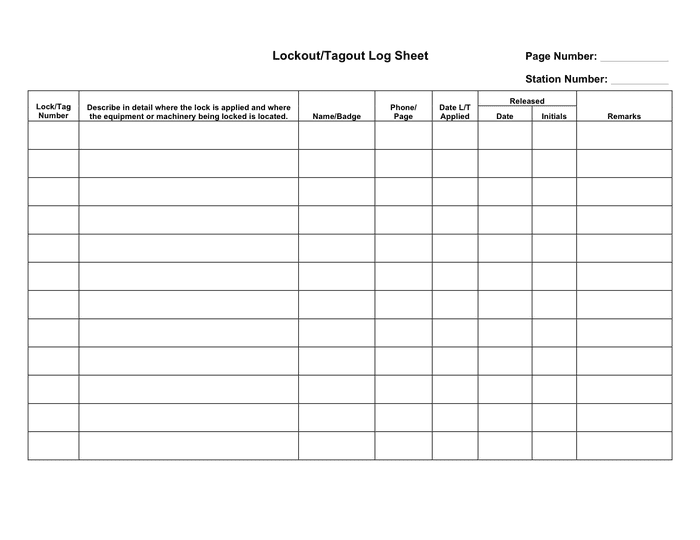
Do toolbox talks need to be documented? Yes. Keep a sign-in sheet with names, date, topic, and supervisor. Required for OSHA inspections and audits.
Can toolbox talks reduce workers’ compensation claims? Yes. Regular, relevant talks reduce preventable injuries, which directly lowers incident rates and insurance costs.
Should all crew members attend every talk? Ideally, yes. But tailor topics when possible—electrical crews don’t need excavation safety every week.
What’s the biggest mistake in delivering toolbox talks? Being generic. Talks that aren’t tied to current work or real hazards feel like wasted time and lose credibility.
FAQ
What should you look for in Free Safety Topics for Toolbox Talks That Actually Work? Focus on relevance, practical value, and how well the solution matches real user intent.
Is Free Safety Topics for Toolbox Talks That Actually Work suitable for beginners? That depends on the workflow, but a clear step-by-step approach usually makes it easier to start.
How do you compare options around Free Safety Topics for Toolbox Talks That Actually Work? Compare features, trust signals, limitations, pricing, and ease of implementation.
What mistakes should you avoid? Avoid generic choices, weak validation, and decisions based only on marketing claims.
What is the next best step? Shortlist the most relevant options, validate them quickly, and refine from real-world results.