Machines don’t warn you before they start. A conveyor belt can lurch to life without notice. A press can drop with a single misaligned signal. And when maintenance crews are inside, near, or reaching into that equipment, the consequences are catastrophic. That’s why the purpose of lockout tagout isn’t just procedural—it’s a matter of life and death.
Lockout tagout (LOTO) exists to eliminate one of the most preventable yet persistent threats in industrial environments: unexpected energization or startup of machinery during servicing. Its core function is simple—physically isolate energy sources and prevent accidental reactivation. But its impact ripples through every level of operations, from compliance to culture.
Here’s what LOTO truly does—and why it remains non-negotiable in high-risk workplaces.
What Lockout Tagout Actually Prevents
At its essence, lockout tagout stops machinery from turning on while someone is working on it. But “turning on” is more complex than flipping a switch. It includes:
- Sudden release of stored energy (springs, hydraulics, capacitors)
- Unexpected movement from gravity or residual pressure
- Remote activation from control panels or automated systems
Consider a technician clearing a jam in a packaging line. They reach into the machine, assuming it’s off. But a coworker resets a fault code on the HMI screen, unknowingly restarting the line. Without LOTO, this is not a hypothetical—it’s a frequent cause of amputations and fatalities.
OSHA reports that proper LOTO procedures prevent an estimated 120 fatalities and 50,000 injuries annually in the U.S. alone. These aren’t abstract numbers. They represent limbs saved, lives preserved, and families protected from preventable tragedy.
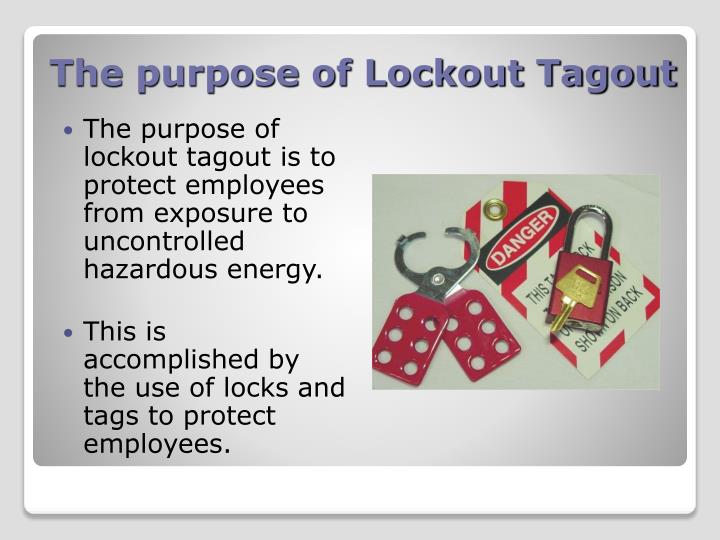
The purpose of lockout tagout is to create a verified, physical barrier between energy sources and human exposure. It’s not about caution—it’s about control.
The Legal and Compliance Imperative
Beyond safety, LOTO is a regulatory requirement under OSHA Standard 29 CFR 1910.147. Ignoring it isn’t just risky—it’s illegal. Companies found in violation face fines that can exceed $15,000 per instance, with willful or repeated violations reaching $156,000.
But compliance isn’t a checkbox exercise. OSHA doesn’t just want locks and tags—they demand a full energy control program, including:
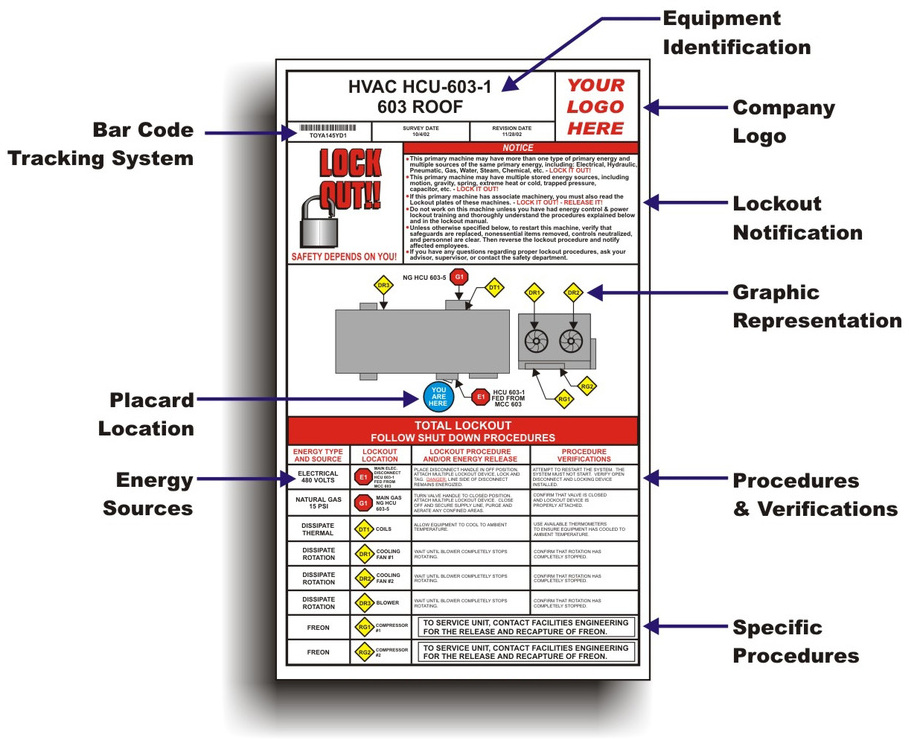
- Written procedures for each piece of equipment
- Employee training (authorized and affected workers)
- Periodic audits (at least annually)
- Machine-specific lockout steps
A common compliance failure? Using one generic procedure for multiple machines. OSHA requires specificity. A lathe, a boiler, and a conveyor each have unique energy sources and isolation points. A one-size-fits-all approach fails inspection and endangers workers.
Another frequent pitfall: allowing “temporary bypasses” during testing. While limited re-energization is sometimes allowed, it requires re-evaluation, re-notification, and re-lockout. Skipping steps here undermines the entire system.
The purpose of lockout tagout in compliance isn’t to satisfy auditors—it’s to institutionalize safety so it can’t be bypassed by urgency or oversight.
How LOTO Fits Into Real-World Maintenance Workflows
LOTO isn’t a standalone event. It’s embedded in maintenance workflows. A typical sequence looks like this:
- Preparation – Authorized employee identifies energy sources (electrical, pneumatic, hydraulic, thermal, gravitational).
- Shutdown – Machine is turned off using normal controls.
- Isolation – Disconnect switches, valves, or blocks are engaged.
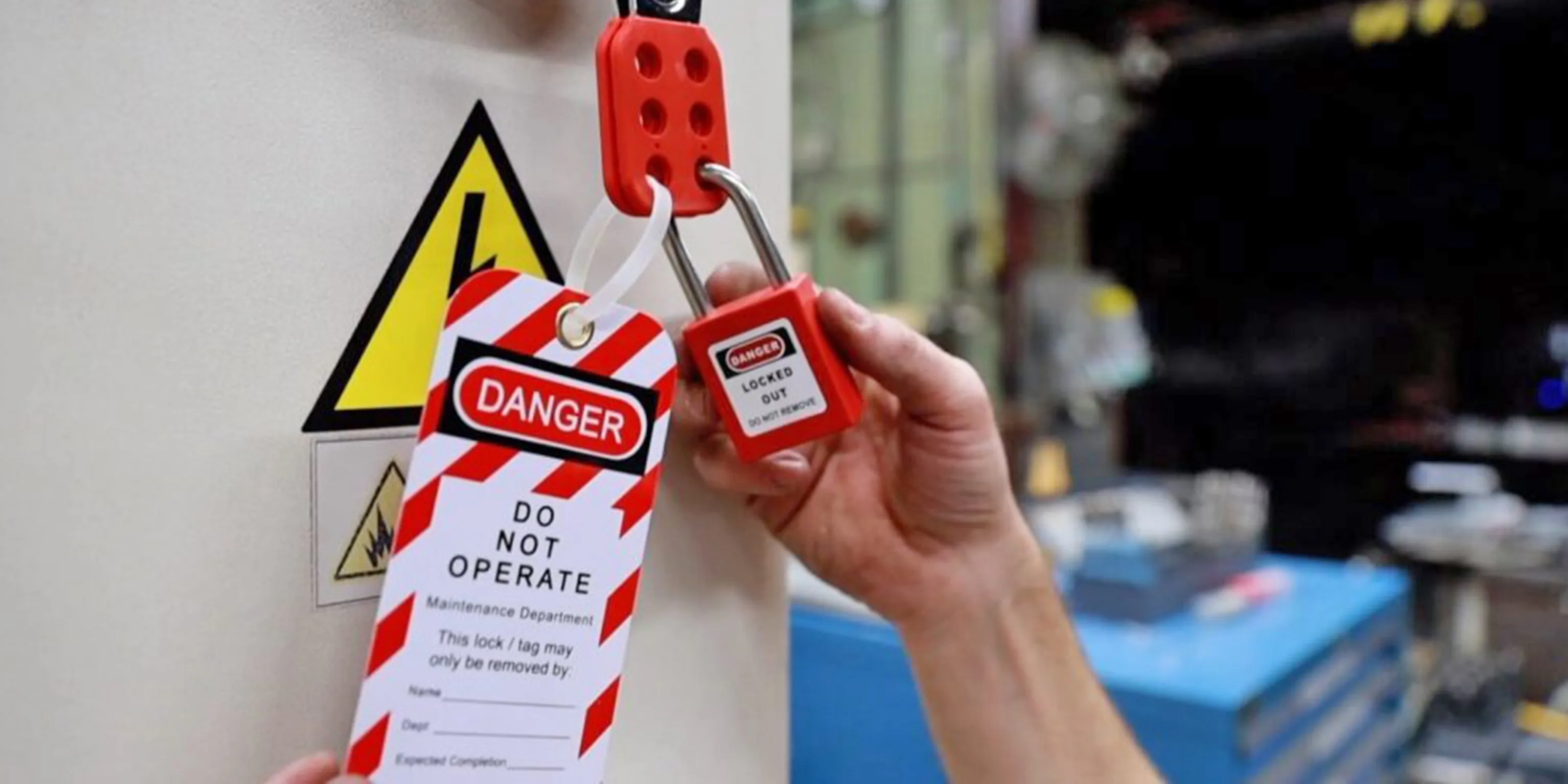
- Lockout – Individual locks are applied by each worker involved.
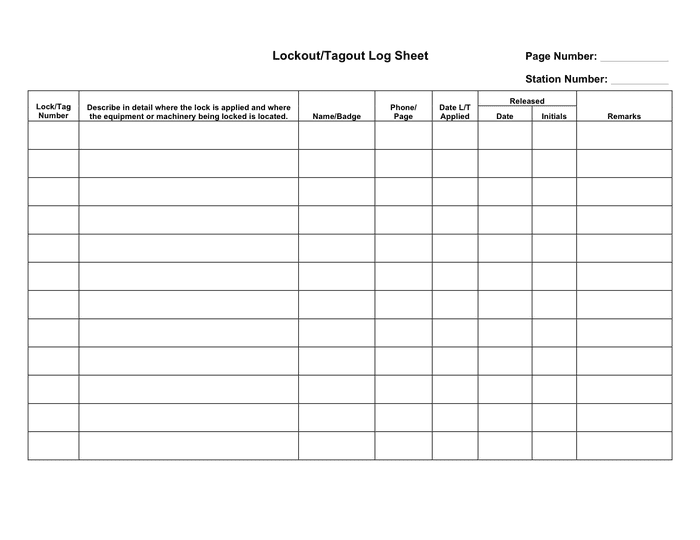
- Tagout – Tags indicate who locked the device, when, and why.
- Verification – Employee tests the controls to confirm zero energy.
- Work Performed – Maintenance or servicing takes place.
- Restoration – Locks removed only by the person who applied them; machine restarted.
A breakdown at any stage compromises safety. For example, skipping verification because “it’s always off” leads to complacency. One manufacturer reported a fatality when a worker assumed a hydraulic line was depressurized—without testing. The stored energy released, crushing the technician.
Another real-world issue: group lockout scenarios. Multiple contractors or team members working on one system require a group lockbox. Each worker applies their lock to the box, which holds the primary energy isolation device. Only when all locks are removed can the box be opened and the energy restored.
This system ensures that no single person can restart equipment while others are still exposed.
Common Mistakes That Undermine LOTO Effectiveness
Even organizations with LOTO programs often make critical errors:
- Using tags without locks – Tags are warnings; locks are barriers. Tags alone don’t physically prevent activation and are not acceptable in most high-risk cases.
- Shared locks or master keys – Defeats the personal accountability principle. Each worker must use their own lock.
- Leaving locks on after shift changes – Creates confusion and pressure to remove locks improperly.
- Failing to update procedures after equipment changes – A retrofitted machine may have new energy sources that aren’t covered in old LOTO steps.
- Poor tag visibility or durability – Tags exposed to oil, steam, or abrasion can become unreadable, defeating their communication purpose.
One plant reported recurring lockouts being ignored during weekend cleanups because custodial staff weren’t trained on LOTO. They saw tags as suggestions, not prohibitions. This highlights a key point: affected employees (those who operate but don’t service equipment) must also be trained—even if they don’t apply locks.
The purpose of lockout tagout fails when only part of the workforce understands it.
When Lockout Tagout Applies (And When It Doesn’t)
LOTO isn’t for every situation. OSHA defines specific criteria for when it’s required:
- Work involves removing or bypassing guards
- Employee places any part of their body into a point of operation
- Servicing exposes workers to energized parts
Routine production tasks (like clearing minor jams with simple controls) may fall under the “minor servicing exception” if they meet strict conditions. But this exception is narrowly defined. If the task requires disassembly, tools, or reaching into danger zones, LOTO applies.
For example, adjusting a misaligned sensor with a screwdriver while the machine is running? Not allowed. But clearing a paper jam on a copier using a built-in release lever during normal operation? May be exempt.
Misclassifying work as “minor” to avoid LOTO is a dangerous shortcut. The cost of one injury dwarfs any time saved.
The Human Factor: Culture and Accountability
Equipment fails. Procedures get outdated. But the strongest LOTO systems are built on culture.
Consider a food processing plant that reduced LOTO violations by 78% in 18 months—not by adding more rules, but by empowering workers to stop work if lockout isn’t verified. Supervisors were trained to respond with support, not pressure.
Key cultural signals:
- Leadership participates in LOTO audits
- Near-misses are reported without blame
- Lockout success is recognized publicly
- Training is refreshed regularly, not just at onboarding
One refinery installed digital LOTO boards showing real-time lock status per unit. It created transparency and peer accountability. Workers could see who was locked out—and if someone tried to start a unit, the system wouldn’t allow it.
Technology helps, but the purpose of lockout tagout remains human-centered: protect people by making safety visible, personal, and non-negotiable.
LOTO Across Industries: Practical Examples While the core principles are universal, application varies.
Manufacturing: A CNC machine requires lockout of main power, hydraulic pumps, and pneumatic clamps. Stored energy in the spindle must be bled off before service.
Healthcare: MRI machines have cryogenic and magnetic energy. Lockout involves quenching procedures and physical barriers to prevent ferromagnetic objects from becoming projectiles.
Utilities: A valve repair on a steam line requires isolation, depressurization, and draining. Workers must confirm zero pressure with gauges, not assumptions.
Warehousing: Automated storage systems use multiple energy sources. Lockout includes disabling conveyor drives, robotic arms, and safety interlocks.
In each case, the purpose of lockout tagout remains consistent: eliminate uncontrolled energy release. But the methods reflect the environment, equipment, and risk profile.
Choosing the Right LOTO Devices and Tools
Not all locks and tags are equal. The right tools enhance compliance and durability.
| Device Type | Purpose | Key Considerations |
|---|---|---|
| Padlocks | Personal lockout | Non-conductive, keyed alike or unique |
| Valve Lockouts | Block fluid/gas flow | Fit specific valve types (gate, ball, etc.) |
| Circuit Breaker Locks | Secure electrical disconnects | Must fit breaker size/model |
| Hasps | Allow multiple locks on one point | Corrosion-resistant, durable |
| Tagout Tags | Communicate lock status | Weather-resistant, writable, tamper-evident |
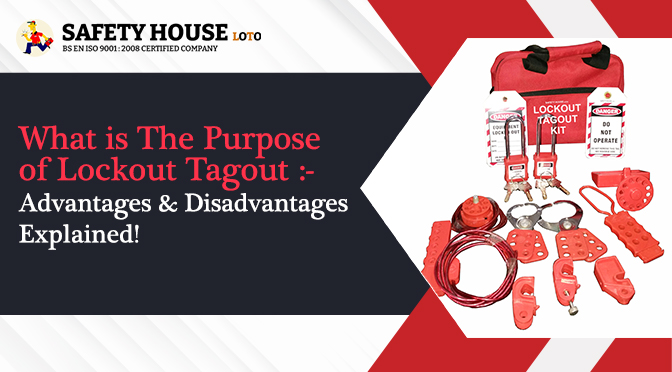
Investing in standardized kits reduces confusion. Color-coding locks by department or energy type (red for electrical, blue for pneumatic) speeds up identification.
Some facilities use smart lockout systems with RFID or QR codes. Scanning a tag pulls up the correct procedure, tracks lock duration, and logs who applied it. These reduce paperwork but don’t replace training.
The best LOTO tools are those workers actually use—durable, accessible, and simple.
Closing: Make LOTO a Standard, Not an Exception
The purpose of lockout tagout isn’t to complicate maintenance—it’s to make it survivable. It’s not about following rules for the sake of compliance. It’s about ensuring that every worker who starts a shift finishes it unharmed.
Implementing effective LOTO requires more than purchasing locks. It demands documented procedures, thorough training, consistent audits, and a culture where safety overrides speed.
Start by reviewing your current procedures. Are they machine-specific? Are they up to date? Do all employees understand their role?
Then conduct an unannounced audit. Try to start a locked-out machine. If it’s possible—even in theory—the system is broken.
Fix it. Because the next person reaching into that machine might be someone you’re responsible for.
Protect them with more than hope. Protect them with lockout tagout.
FAQ
What is the main goal of lockout tagout? The primary goal is to prevent unexpected energization or startup of machinery during maintenance, protecting workers from serious injury or death.
Who is responsible for applying lockout tagout devices? Authorized employees—those trained and responsible for implementing energy control procedures—must apply their own locks and tags.
Can you use only a tag without a lock? Only in rare cases where a lock can’t be used and a documented justification exists. Tags alone are not sufficient for most high-risk energy sources.
How often should LOTO procedures be audited? OSHA requires annual inspections to ensure procedures are followed and remain accurate.
What happens if a worker forgets to remove their lock? The equipment cannot be restarted until the lock is removed by the original person. If they’re unavailable, a formal removal process with management authorization is required.
Does LOTO apply to corded electric tools? Yes, if the tool is being serviced and the plug is accessible, unplugging and locking the outlet or disconnect satisfies LOTO.
Can multiple people use the same lock? No. Each worker must use their own personal lock to ensure individual control and accountability.
FAQ
What should you look for in The Purpose of Lockout Tagout Explained Clearly? Focus on relevance, practical value, and how well the solution matches real user intent.
Is The Purpose of Lockout Tagout Explained Clearly suitable for beginners? That depends on the workflow, but a clear step-by-step approach usually makes it easier to start.
How do you compare options around The Purpose of Lockout Tagout Explained Clearly? Compare features, trust signals, limitations, pricing, and ease of implementation.
What mistakes should you avoid? Avoid generic choices, weak validation, and decisions based only on marketing claims.
What is the next best step? Shortlist the most relevant options, validate them quickly, and refine from real-world results.