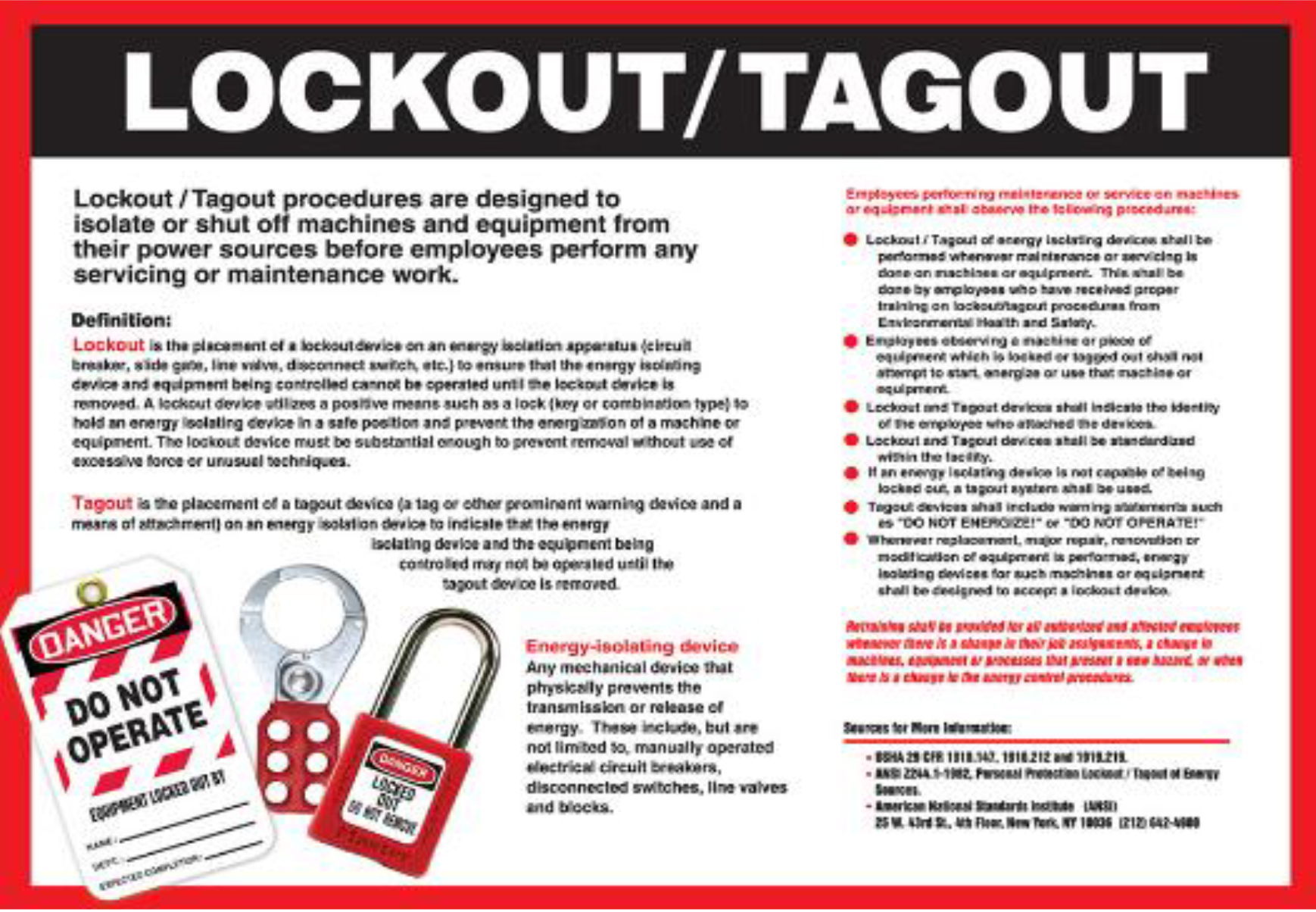
Every year, hundreds of workers suffer severe injuries—or worse—during equipment servicing because energy sources weren’t properly controlled. The solution isn’t complex: a well-designed lockout tagout (LOTO) procedure template. But too many companies treat LOTO as a paperwork exercise, not a life-saving protocol. That’s where they fail.
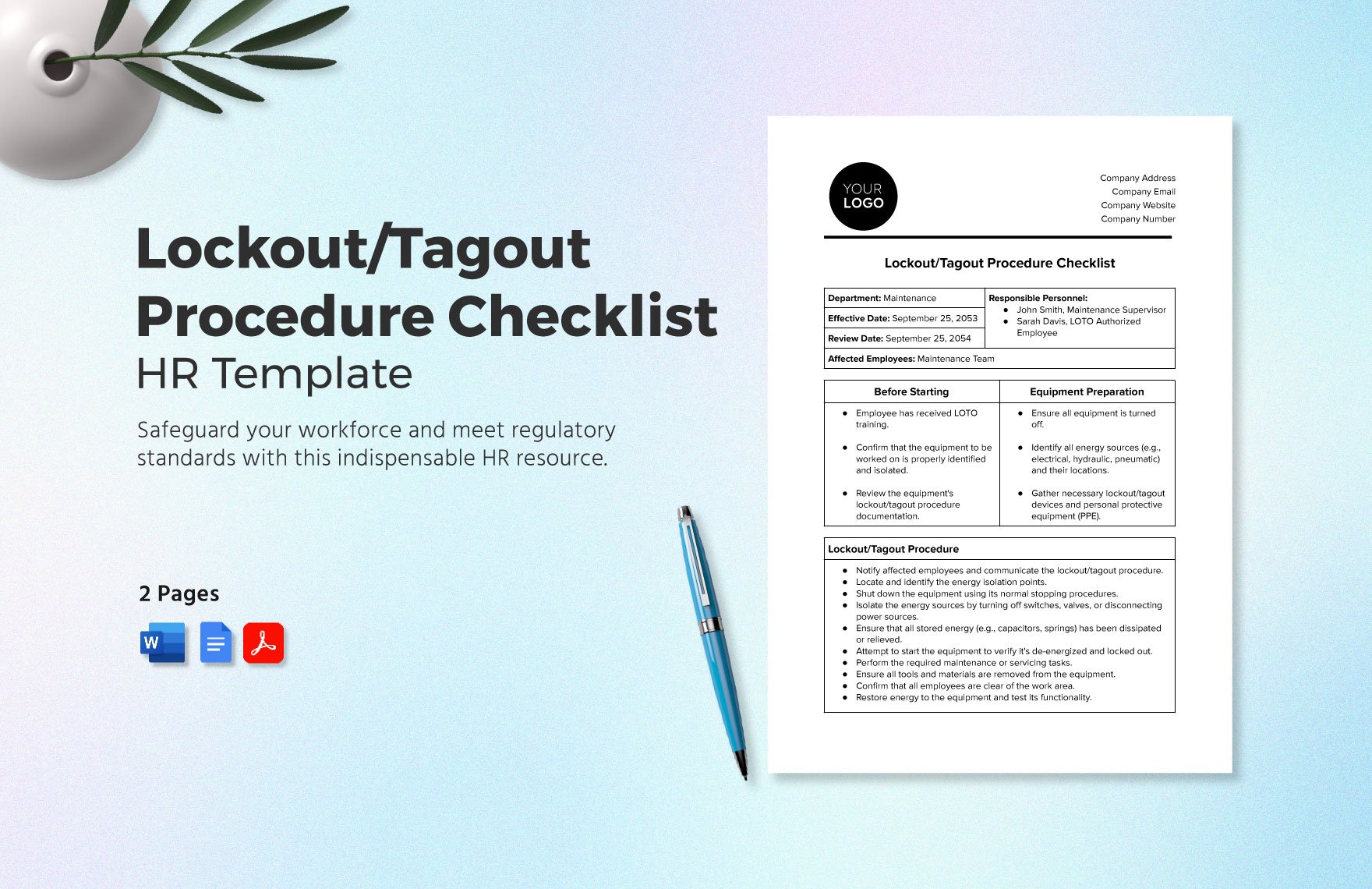
A solid lockout tagout procedure template isn’t a one-size-fits-all document downloaded from a random site. It’s a site-specific, actionable plan that guides employees through each step of isolating hazardous energy—whether mechanical, electrical, hydraulic, or thermal. This article breaks down what an effective LOTO procedure template should include, how to customize it, and where most organizations go wrong.
Why a Generic Template Isn’t Enough
You can find dozens of free lockout tagout procedure templates online. Many are well-formatted, with clean tables and OSHA references. But here’s the hard truth: they won’t protect your team unless customized.
Consider this real case: A maintenance technician at a Midwestern food processing plant followed a "standard" LOTO template to service a conveyor. The form mentioned disconnecting power, but didn’t account for stored kinetic energy in the belt system. When he opened the guard, the belt snapped back—breaking two fingers.
The template wasn’t wrong. It was incomplete.
The problem with generic templates: - They don’t reflect your equipment’s unique energy sources - They skip machine-specific lock points - They assume one procedure fits all models - They omit training verification steps
A useful LOTO procedure isn’t about checking a compliance box. It’s about creating a repeatable, foolproof process tailored to your facility.
Core Elements of an Effective LOTO Procedure Template
An effective lockout tagout procedure template must be both comprehensive and usable. Technicians shouldn’t need a degree to interpret it. Below are the essential components every template should include:
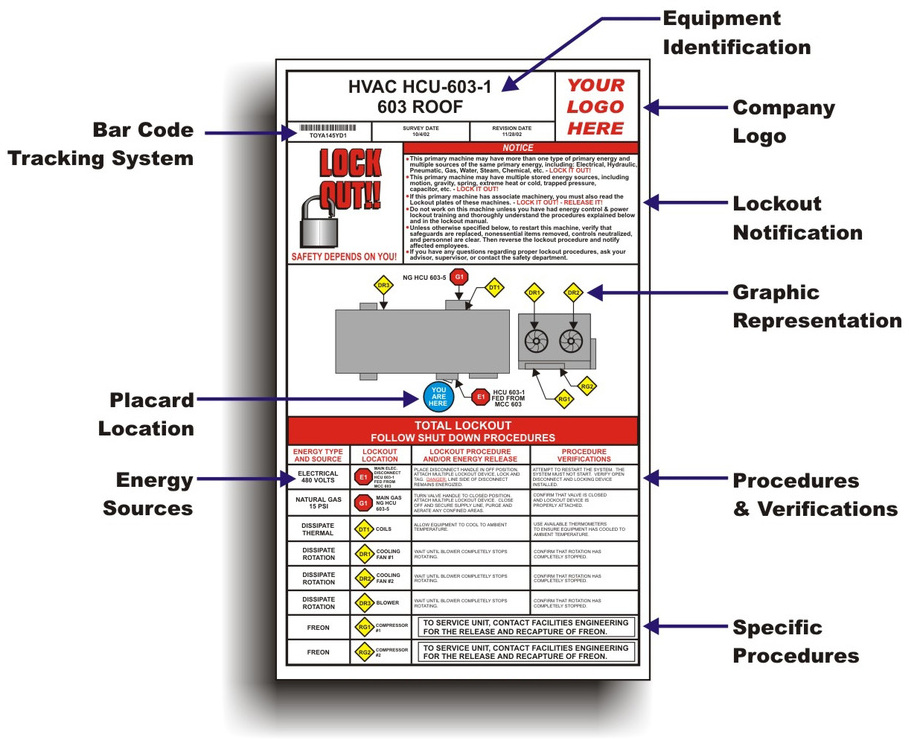
1. Equipment Identification Start
with specific details:
- Machine name and ID number
- Location (building, floor, line)
- Department or process it supports
Example: Equipment: Hydraulic Press Model HP-4500 Location: Fabrication Line B, Building 2, North Wing ID: FAB-HP-45
This eliminates confusion, especially in plants with multiple units of the same model.
2. Energy Type and Sources List all potential energy sources:
- Electrical (main disconnect, control circuits)
- Hydraulic (pumps, accumulators)
- Pneumatic (air reservoirs)
- Mechanical (springs, gravity-fed parts)
- Thermal (heated components)
For each, note the method of isolation.
3. Step-by-Step Isolation Process
- This is the core of your template. Use clear, imperative language:
- Notify affected operators that servicing will begin.
- Shut down the machine using the normal stop button.
- Open the main disconnect switch (locate: electrical panel E23).
- Close and lock the hydraulic valve at Station 4.
- Bleed residual pressure from accumulator via relief valve.
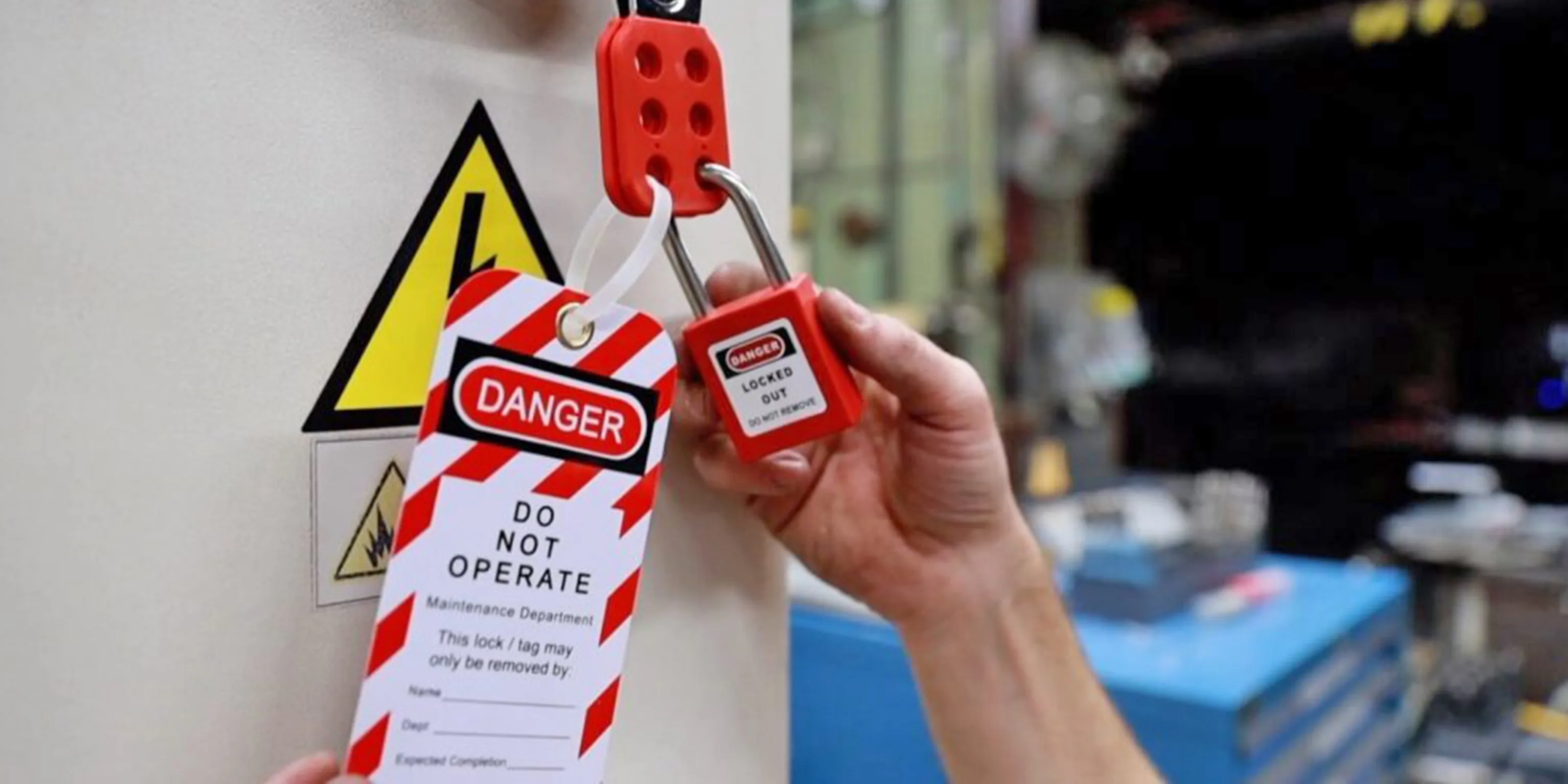
- Apply personal lock and tag to each isolation point.
- Attempt to restart (verify zero energy).
Each step must be verifiable—either by sight, measurement, or action.
4. Lock and Tag Application Specify:
- Who applies locks (authorized vs. affected employees)
- Type of lock (keyed-alike, keyed-different, group locks)
- Tag content (name, date, reason, contact)
Tags should include: - “Do Not Operate – Maintenance in Progress” - Technician’s name and department - Time and date applied
5. Verification of Isolation Never skip
this. The procedure should require:
- Testing controls (press start, check readouts)
- Using voltage testers on circuits
- Confirming pressure gauges read zero
Write: “Verification is not complete until energy hazard is confirmed absent.”
6. Removal and Restart Protocol Include steps for safe re-energizing:
- Ensure all tools and personnel are clear.
- Remove locks only by the person who applied them.
- Reinstall guards and safety devices.
- Notify operators before restart.
- Restore energy sources in reverse order of shutdown.
Common Mistakes in LOTO Templates (And How to Avoid Them)
Even well-intentioned companies make critical errors. Here are the most common—and how to fix them.
Mistake 1: Using Passive or Vague Language Phrases like “Ensure the machine is off” or “Verify power is disconnected” are weak.
Fix: Use direct commands: - “Turn off the main disconnect switch at Panel B.” - “Test circuit with a digital multimeter.”
Mistake 2: Skipping Equipment-Specific Details A template that says “Lock out energy source” without identifying it is useless.
Fix: Name every disconnect, valve, or bleed point. Include photos or diagrams if needed.
Mistake 3: Ignoring Stored Energy
Many templates list electrical isolation but forget springs, flywheels, or elevated parts.
Fix: Add a dedicated section: “Check for and relieve stored energy in: - Tensioned belts (release tension via adjuster screw) - Hydraulic accumulators (open relief valve for 60 seconds) - Raised platforms (lower to floor using manual override)”
Mistake 4: Allowing Group Lockout Confusion In team maintenance, multiple technicians work on one machine. Without clear rules, someone may remove a lock prematurely.
Fix: Use a group lockout box. Each technician applies their personal lock to the box. The box secures the energy-isolating device. Only when all are done can locks be removed.
Real-World Templates in Action
Let’s look at how a properly built LOTO template works in practice.
Scenario: Changing a motor on a vertical milling machine.
Template Excerpt:
Equipment: CNC Mill Model VMC-800 (ID: MACH-VMC-08) Energy Sources: - 480V 3-phase electrical (disconnect at Panel M4) - Coolant pump (manual valve at base) - Spindle brake (pneumatic, bleed at rear manifold)
- Steps:
- Notify Production Supervisor via radio.
- Press E-Stop on control panel.
- Open main disconnect in electrical closet (Panel M4, Breaker 12).
- Close coolant supply valve (red handle at machine base).
- Open pneumatic bleed valve on rear manifold until hiss stops.
- Apply personal lock to disconnect handle and valve.
- Tag with: “J. Rivera – Motor Replacement – 08:15 AM”
- Test start button—no response required.
- Use voltage tester on control cabinet—confirm 0V.
Verification complete. Proceed with disassembly.
This level of detail prevents assumptions and ensures consistency.
Tools and Templates That Help (But Don’t Replace Judgment)
While no software replaces a well-designed procedure, these tools can support LOTO program management:
| Tool | Use Case | Limitations |
|---|---|---|
| SafetySync | Digital LOTO procedures, training tracking | Requires subscription; steep learning curve |
| ProEncore | Mobile LOTO checklists with photo uploads | Best for large enterprises |
| Setra Systems LOTO Station | Lockout kits with customizable tags | Physical tool, not a procedure builder |
| OSHA’s Small Business Handbook (Appendix C) | Free LOTO template samples | Generic; needs customization |
| Creative Safety Supply Template Generator | Downloadable PDFs for common machines | Not machine-specific |
Use these as starting points—but always adapt them.
Making Your LOTO Template Compliant and Usable
OSHA 29 CFR 1910.147 sets the baseline: you must have written procedures for servicing machines where unexpected startup could harm workers.
But compliance isn’t just about having a document. OSHA inspectors ask: - Is the procedure followed consistently? - Have employees been trained? - Is the template reviewed annually? - Does it match actual equipment?
To pass scrutiny and protect workers: - Review procedures annually—or after any change to equipment. - Train both authorized and affected employees—separately. Authorized staff apply locks; affected staff only operate equipment. - Conduct periodic audits—watch someone perform a full LOTO cycle. - Use visuals—diagrams showing lock points improve clarity.
A good LOTO procedure should be so clear that a trained technician can follow it without asking questions.
Conclusion: Build It Right, Then Use It Every Time
A lockout tagout procedure template isn’t a formality. It’s a critical control that prevents amputations, electrocutions, and fatalities. Start with a solid framework, then refine it for each machine. Include specific steps, unambiguous language, and verification checkpoints.
Don’t distribute a binder of generic templates and call it done. Walk the floor. Watch the process. Fix the gaps.
The best template in the world fails if it’s ignored. The most basic one works if it’s followed—every single time.
Implement, train, audit, repeat. That’s how safety becomes culture.
How often should LOTO procedures be reviewed? Annually, or whenever equipment is modified, repaired, or reconfigured. OSHA requires periodic inspections to ensure compliance and effectiveness.
Can digital LOTO replace physical locks? No. Electronic or "smart" lockout systems can support the process, but physical locks and tags are still required under OSHA unless an equivalent level of protection is proven.
Who can remove a lockout device? Only the authorized employee who applied the lock may remove it. In their absence, a formal removal procedure involving management and verification must be followed.
What’s the difference between authorized and affected employees? Authorized employees perform maintenance and apply lockout devices. Affected employees operate or use the equipment but do not service it.
Do I need a separate LOTO procedure for each machine? Yes. Each piece of equipment with hazardous energy requires its own documented procedure tailored to its specific energy sources and isolation points.
Can one tag be used for multiple energy sources? No. Each isolation point must have its own lock and tag. A single tag on a control panel doesn’t cover a hydraulic valve or capacitor bank.
What happens if a LOTO procedure isn’t followed? Consequences range from serious injury to OSHA citations with fines up to $15,625 per violation. Willful or repeated violations can exceed $156,000.
FAQ
What should you look for in Lockout Tagout Procedure Template: A Practical Guide for Safety? Focus on relevance, practical value, and how well the solution matches real user intent.
Is Lockout Tagout Procedure Template: A Practical Guide for Safety suitable for beginners? That depends on the workflow, but a clear step-by-step approach usually makes it easier to start.
How do you compare options around Lockout Tagout Procedure Template: A Practical Guide for Safety? Compare features, trust signals, limitations, pricing, and ease of implementation.
What mistakes should you avoid? Avoid generic choices, weak validation, and decisions based only on marketing claims.
What is the next best step? Shortlist the most relevant options, validate them quickly, and refine from real-world results.