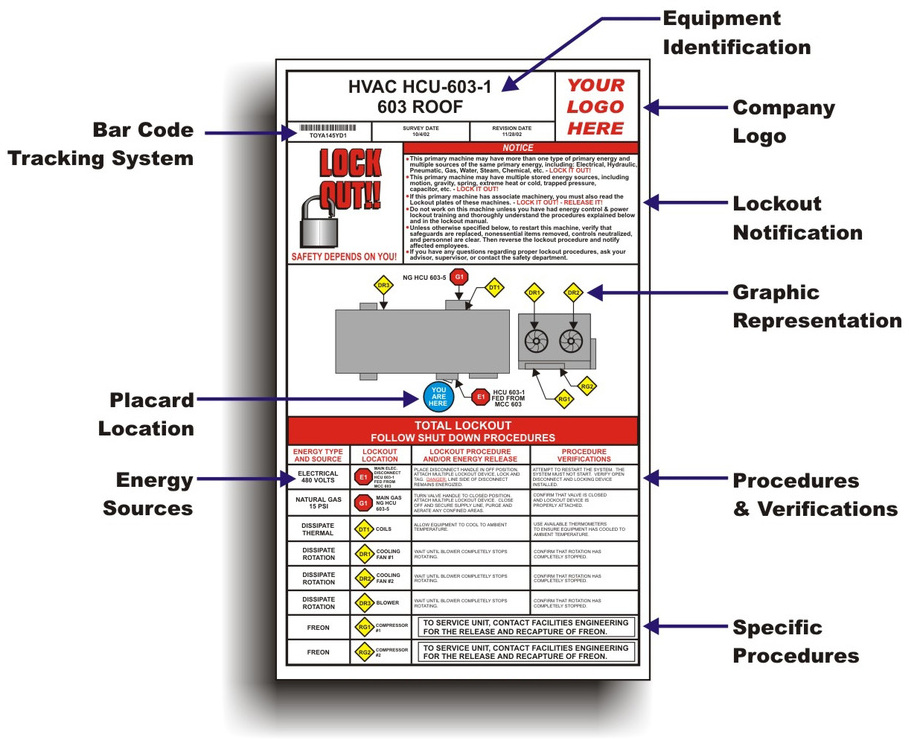
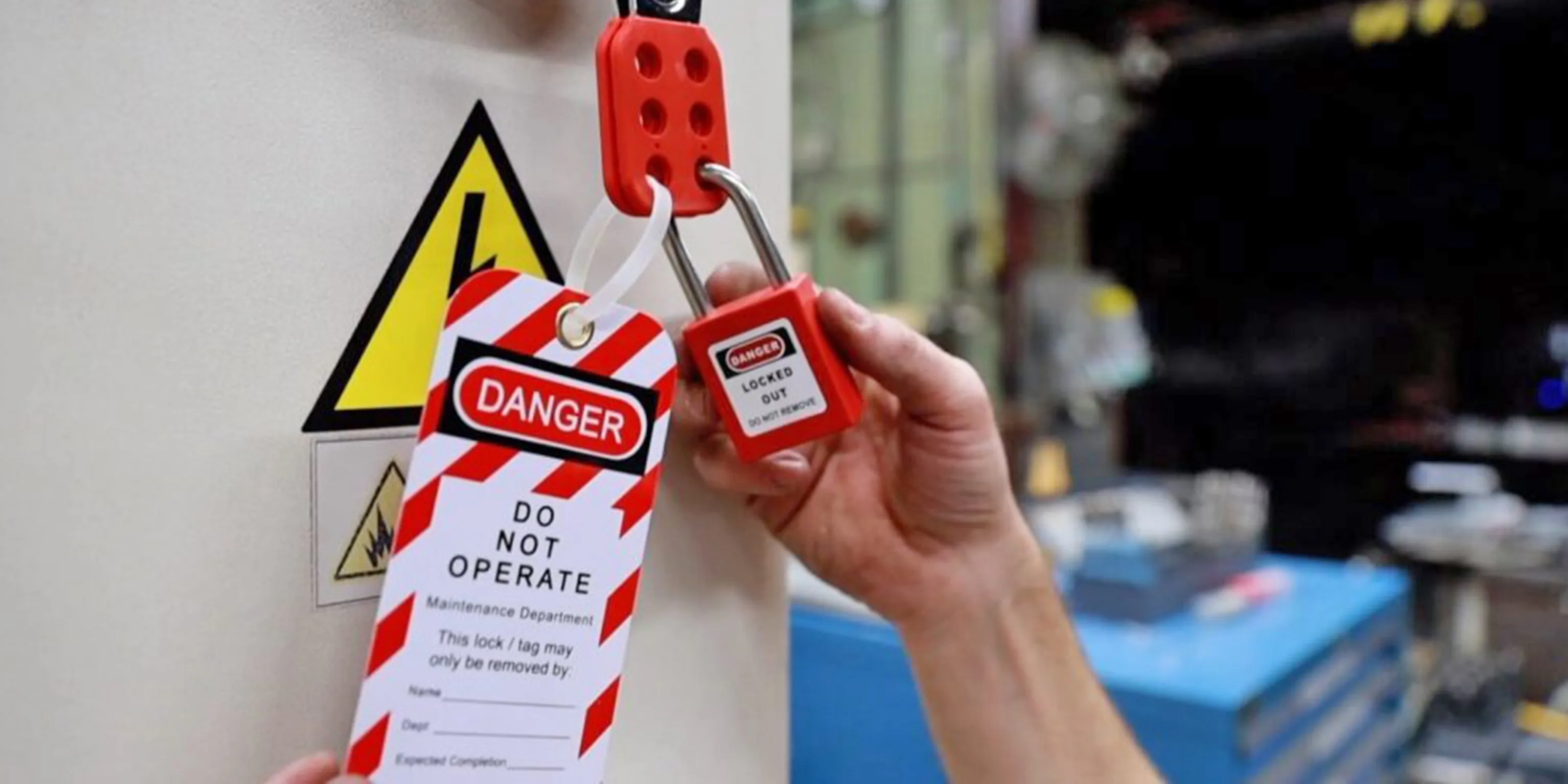
Most industrial accidents involving machinery stem from one avoidable cause: unexpected energization during maintenance. A frayed wire, a misaligned guard, or a simple cleaning task can turn fatal when equipment starts up mid-repair. That’s where simple lockout tagout (LOTO) procedures come in—clear, actionable steps that isolate energy sources and keep workers safe.
This isn’t about complex flowcharts or 20-page manuals. It’s about practical, real-world LOTO examples that anyone can understand and implement—today.
What Makes a Lockout Tagout Procedure "Simple"?
- A simple LOTO procedure strips away jargon and focuses on clarity. It answers four critical questions:
- What energy sources are involved? (electrical, hydraulic, pneumatic, etc.)
- How do you shut them down safely?
- Where do you apply locks and tags?
- Who verifies the equipment is de-energized?
The goal isn’t just compliance—it’s usability. If a new technician can follow it without supervision, it’s simple enough.
Simple doesn’t mean incomplete. It means structured, visual, and repeatable. Think step-by-step checklists, labeled lock points, and clear roles.
Example 1: Conveyor Belt Maintenance
Scenario: A technician needs to clean and inspect a conveyor belt in a packaging facility.
Energy sources: - Electrical (motor drive) - Mechanical (tension springs) - Potential (gravity-fed product load)
Simple LOTO steps:
- Notify operations team – Alert supervisors and nearby workers that maintenance is starting.
- Shut down the system – Press the emergency stop and turn off the control switch.
- Isolate energy – Flip the circuit breaker to the "OFF" position at the main electrical panel.
- Apply lock and tag – Attach a personal lock and tag to the breaker. Tag includes:
- - Technician’s name
- - Date and time
- - Reason for lockout
- Relieve stored energy – Release belt tension and clear any products on the line.
- Verify zero energy – Press the start button to confirm the conveyor doesn’t activate.
- Begin work – Perform cleaning and inspection.
- Remove lockout – Once work is complete, unlock only by the original technician.
Why it works: Each step is sequential, uses common tools, and avoids ambiguity. No extra training needed.
Example 2: Hydraulic Press Repair
Scenario: A die in a hydraulic press is cracked and needs replacement.
Energy sources: - Hydraulic pressure - Electrical (control circuits) - Mechanical (ram movement)
Simple LOTO steps:
- Stop the machine – Use the emergency stop button.
- Close hydraulic valve – Isolate fluid flow to the press cylinder.
- Depressurize the system – Open the relief valve to release residual pressure.
- Lock the hydraulic valve – Apply a lock to prevent accidental reopening.
- Turn off electrical power – Switch off the main disconnect switch.
- Lock and tag the disconnect – Use a lock with a tag identifying the worker.
- Test for movement – Attempt to cycle the press (should not move).
- Replace the die – Complete the repair safely.
- Restore service – Close relief valve, remove locks, re-energize only after clearance.
Common mistake: Skipping the pressure release. Residual hydraulic energy can move the ram even when power is off.
Tip: Use a pressure gauge to confirm zero pressure—don’t rely on sound alone.
Example 3: Cleaning a Mixing Tank
Scenario: A food production tank needs internal cleaning after a batch run.
Energy sources: - Electrical (mixer motor) - Pneumatic (valve actuators) - Chemical (residual product)
Simple LOTO steps:
- Flush the tank – Drain and rinse to reduce chemical exposure.
- Shut off motor power – Turn off the motor disconnect switch.
- Lock the disconnect – Apply personal lock and tag.
- Close air supply to valves – Shut off compressed air line.
- Lock the air shutoff valve – Prevent pneumatic activation.
- Bleed air lines – Open vent to release trapped pressure.
- Verify isolation – Try to start the mixer—nothing should happen.
- Enter and clean – Use proper PPE and confined space protocols.
- Exit and restore – Remove tools, unlock, and notify operations.
Limitation: This assumes single-person control. If multiple workers are involved, a group LOTO procedure with a master lockbox is needed.
Example 4: Changing a Pump Impeller
Scenario: A centrifugal pump in a chemical plant is underperforming and needs impeller replacement.
Energy sources: - Electrical (pump motor) - Fluid pressure (inlet/outlet lines) - Gravity (elevated piping)
Simple LOTO steps:
- Isolate fluid lines – Close upstream and downstream valves.
- Lock valves – Apply locks to prevent opening.
- Vent pressure – Open drain valve to release fluid and pressure.
- Shut off power – Turn off motor starter and main disconnect.
- Lock electrical points – Apply locks to both the starter and disconnect.
- Tag all points – Clearly label each lock with worker info and purpose.
- Verify de-energization – Test start the pump—should not run.
- Open pump housing – Drain residual fluid and replace impeller.
- Reassemble and restore – Close drains, remove locks, re-energize.
Pro tip: Use color-coded locks—red for electrical, blue for mechanical—to speed up identification.
When Simplicity Fails: Common Pitfalls
Even straightforward procedures can fail when assumptions creep in.
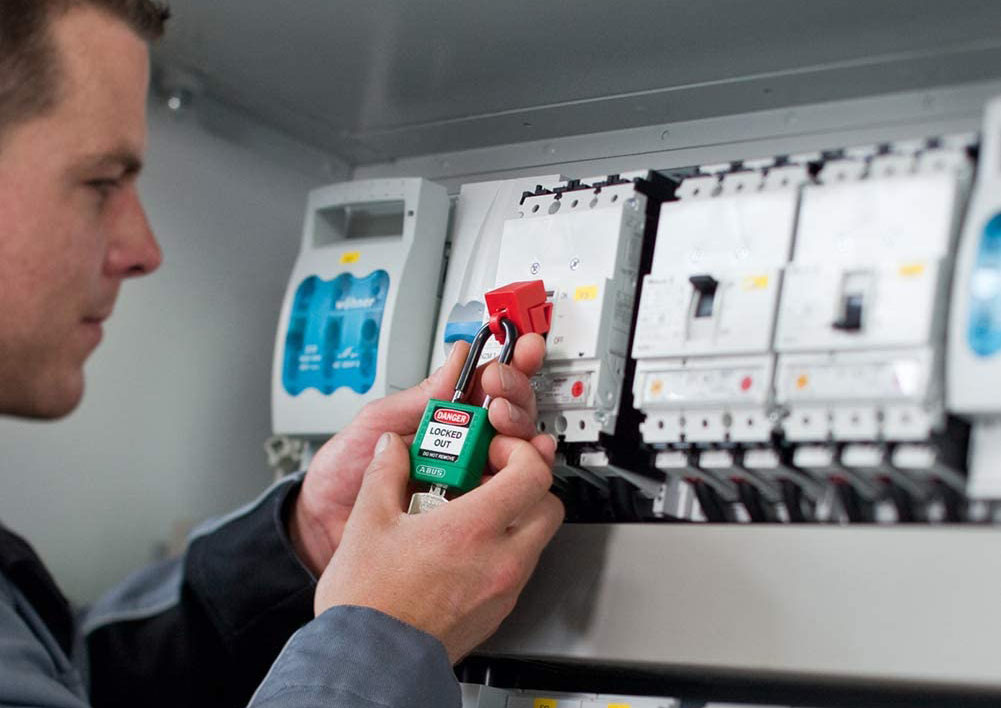
- Assuming "off" means safe: A switch in the "off" position isn’t locked—it can be flipped.
- Ignoring stored energy: Springs, elevated loads, or capacitors can release energy unexpectedly.
- Using group locks without coordination: Multiple workers? Use a group lockbox so one person doesn’t inadvertently restore power.
- Skipping verification: Testing is mandatory, not optional. Always attempt to start the equipment after lockout.
- Poor tag quality: Tags must be durable, legible, and include critical info—no blank or generic labels.
A simple procedure won’t help if workers bypass steps. Training and culture are just as important as the steps themselves.
Making LOTO Procedures Stick: Workflow Tips
- Use visual aids – Post laminated LOTO checklists near equipment. Include photos of lock points.
- Standardize lock types – Use one style of padlock across the facility to reduce confusion.
- Conduct monthly drills – Simulate a lockout to test readiness and response time.
- Empower every employee – Anyone should be able to initiate a lockout, not just maintenance staff.
- Review after incidents – If near-misses occur, revise the procedure immediately.
The best procedures are living documents—updated after real use, not just OSHA audits.
Key Components of Any Simple LOTO Procedure
Every effective procedure includes these five elements:
| Component | Purpose | Example |
|---|---|---|
| Energy identification | List all energy types | Electrical, hydraulic, pneumatic |
| Shutdown steps | How to turn off safely | Press E-stop, close valves |
| Isolation points | Where to lock | Circuit breaker, valve handle |
| Lock/tag application | Who applies and verifies | Technician places personal lock |
| Verification method | Confirm zero energy | Test start, pressure check |
Without all five, the procedure is incomplete—no matter how simple it seems.
Final Thoughts: Safety Is in the Details
Simple lockout tagout procedures aren’t about cutting corners. They’re about cutting confusion. The best examples are those workers actually use—because they’re clear, practical, and trusted.
Whether it’s a conveyor, press, tank, or pump, the pattern is the same: identify, isolate, lock, tag, verify. Repeat.
Start with one machine. Write a five-step LOTO. Test it with your team. Refine it. Then scale.
Safety isn’t a policy. It’s a habit. And habits start with simple, repeatable actions.
Frequently Asked Questions
What is the most common mistake in LOTO procedures? Failing to verify zero energy after lockout. Workers assume isolation worked without testing.
Can tags be used alone without locks? Only in rare cases where locks aren’t feasible. OSHA requires locks as the primary control.
How many energy sources should I check? All of them. Include electrical, mechanical, hydraulic, pneumatic, chemical, and gravitational.
Who can remove a lockout device? Only the authorized employee who applied it, unless under strict transfer procedures.
Do I need a written LOTO procedure for every machine? Yes. OSHA requires documented procedures for each piece of equipment with hazardous energy.
What should a tag include? Worker name, date, time, reason for lockout, and contact info if possible.
Is group lockout more complex? It adds coordination, but using a lockout station with a master lockbox keeps it manageable.
FAQ
What should you look for in Simple Lockout Tagout Procedures Examples for Everyday Safety? Focus on relevance, practical value, and how well the solution matches real user intent.
Is Simple Lockout Tagout Procedures Examples for Everyday Safety suitable for beginners? That depends on the workflow, but a clear step-by-step approach usually makes it easier to start.
How do you compare options around Simple Lockout Tagout Procedures Examples for Everyday Safety? Compare features, trust signals, limitations, pricing, and ease of implementation.
What mistakes should you avoid? Avoid generic choices, weak validation, and decisions based only on marketing claims.
What is the next best step? Shortlist the most relevant options, validate them quickly, and refine from real-world results.