In 2023, a maintenance technician in a Midwest manufacturing plant lost three fingers when a conveyor system unexpectedly powered on during servicing. The investigation revealed a missing lockout tagout (LOTO) procedure—no locks, no tags, no accountability. This wasn’t a failure of machinery. It was a failure of safety culture.
Lockout tagout locks and tags are more than plastic tags and keyed devices. They are the last line of defense against electrocution, crushing, and amputation in industrial environments. When used correctly, they isolate hazardous energy sources and prevent unauthorized startup. When ignored, they cost lives.
This isn’t about compliance checklists. It’s about creating a system where every technician, supervisor, and safety officer treats a lockout tagout tag as a promise: This machine stays off until I say otherwise.
What Are Lockout Tagout Locks and Tags?
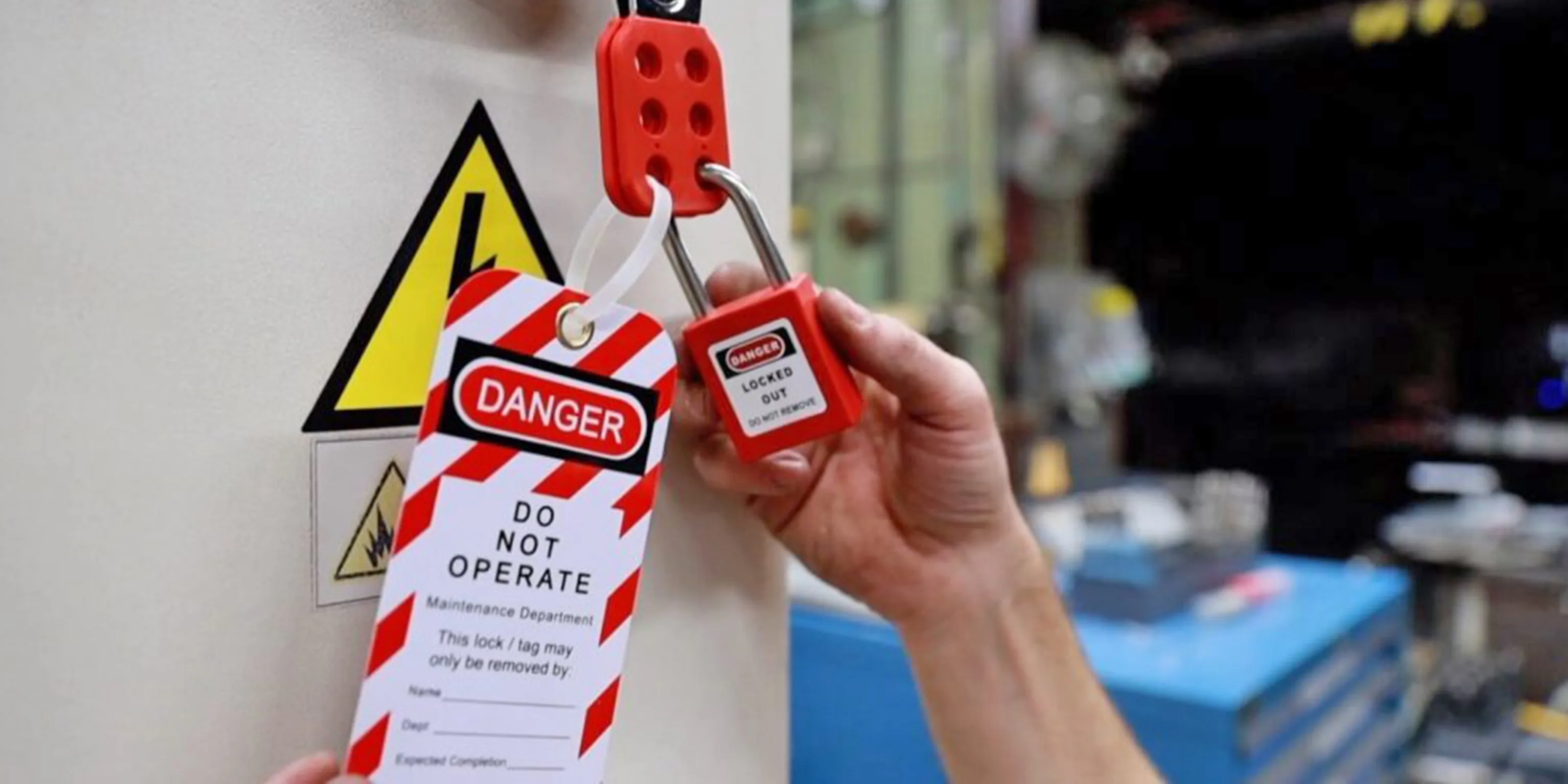
Lockout tagout locks and tags are physical control devices used during equipment servicing to isolate hazardous energy sources—electrical, hydraulic, pneumatic, mechanical, or chemical. The "lock" is a padlock or group lock device applied to an energy-isolating mechanism. The "tag" is a durable label attached to the lock, communicating critical information: who locked it, when, why, and contact details.
Together, they form a standardized system that stops accidental or premature re-energization of machinery.
A lock without a tag is incomplete. A tag without a lock is ineffective. Only the combination creates a legally recognized and operationally sound safety barrier.
Common energy sources requiring LOTO: - Electrical breakers and disconnects - Hydraulic and pneumatic valves - Steam lines and pressurized vessels - Conveyor drive systems - Chemical feed lines
Each requires a specific lock type—circuit breaker lockouts, valve lockouts, plug covers, or group lock stations—paired with a standardized tag.
Why Lockout Tagout Fails in Practice
Most companies have LOTO procedures on paper. Few enforce them consistently. The gap between policy and practice is where accidents happen.
Common breakdowns include: - Shared locks or master keys – Defeats individual accountability. If one person can remove another’s lock, the system fails. - Blank or missing tags – A tag with no name, date, or reason is worthless. It conveys no information and violates OSHA 1910.147. - Using zip ties instead of locks – Zip ties can be cut. Locks require intentional removal and documented release. - Tag-only procedures on high-risk equipment – Tags alone are only acceptable when locks can’t be used, and even then, extra protective measures are required.
One automotive parts plant reduced its LOTO violations by 72% after switching from generic tags to photo-ID tags and implementing daily supervisor audits. The change wasn’t technological—it was cultural. Workers saw their faces on the tag. They took ownership.
Types of Lockout Devices and Their Applications
Not all locks are the same. Choosing the right lockout device depends on the energy source, environment, and number of personnel involved.

| Device Type | Use Case | Example |
|---|---|---|
| Circuit Breaker Lockout | Prevents electrical re-energization | Locks a breaker in the off position |
| Valve Lockout (Ball/Butterfly) | Secures open or closed valves | Prevents pressurized steam release |
| Plug Lockout | Covers electrical cords | Used on portable tools or machinery |
| Group Lockout Station | Multiple workers on one machine | Each applies their personal lock |
| Beam Lockout | For large disconnects or switches | Provides structural stability |
Material considerations matter: - Use non-conductive locks (nylon or polycarbonate) in high-voltage areas - Choose key-retaining locks—keys can only be removed when the lock is closed - Opt for weather-resistant tags in outdoor or washdown environments
A food processing facility in Oregon switched from metal padlocks to insulated nylon locks after a near-miss involving a wet-floor electrical panel. The investment? $1,800. The payoff? Zero electrical incidents in 18 months.
Designing Effective Tagout Tags
A tag is only as good as the information it carries. OSHA requires tags to include: - Employee name - Date and time of application - Reason for lockout - Department or work group - Contact information
But best-in-class tags go further: - Photo ID tags – Visual identification reduces misapplication - QR codes – Link to digital work orders or machine history - Multilingual warnings – Critical in diverse workplaces - Tamper-resistant materials – Won’t fade, tear, or degrade
Avoid these tag mistakes: - Pre-filled tags with no names or dates - Tags reused across shifts - Handwritten tags on printer paper
Invest in durable, standardized tags. They’re not supplies. They’re safety records.
Implementing a LOTO Program That Sticks
A successful lockout tagout program isn’t about buying the right locks. It’s about building behavior.
Start with these steps:
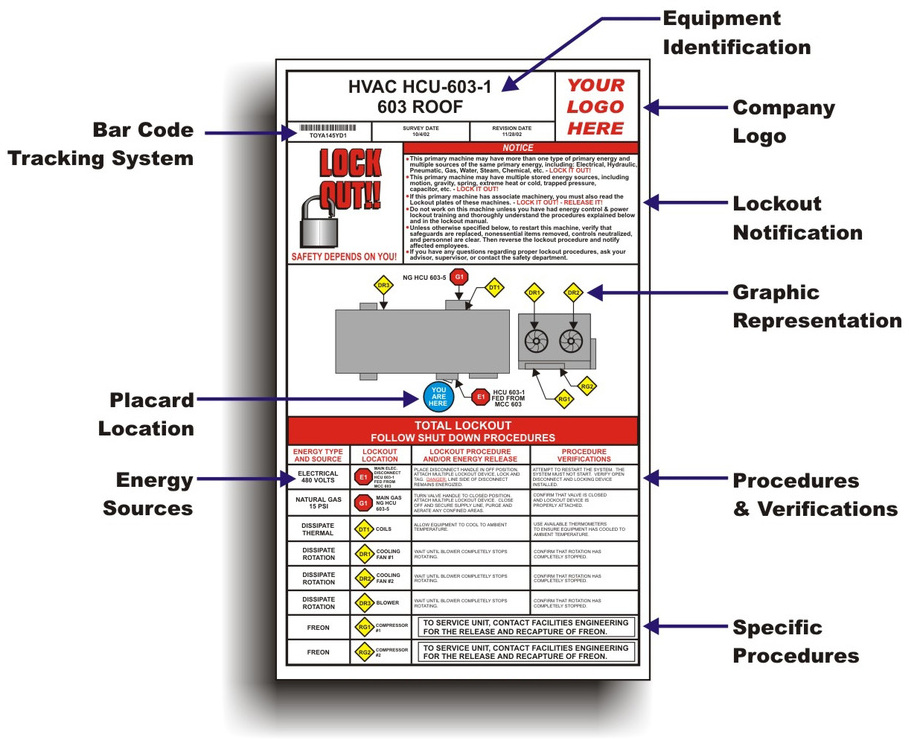
1. Conduct an Energy Control Audit Map every machine and its energy sources. Identify isolation points. Document required lock types.
2. Develop Machine-Specific Procedures Generic “lock the breaker” instructions fail. Create step-by-step guides for each asset: - Shut off the machine - Turn off the main disconnect - Apply lock to breaker - Depressurize hydraulic lines - Verify zero energy state
3. Train and Certify Workers Training must be role-specific. Authorized employees apply locks. Affected employees understand the process but don’t perform it. Retrain annually or after incidents.
4. Audit Monthly Walk the floor. Check for missing locks, blank tags, or bypassed procedures. Use checklists.
5. Empower Workers to Stop Work Create a culture where anyone can say, “That lockout isn’t right,” without fear.
A pharmaceutical plant in New Jersey cut its maintenance downtime by 22% after refining its LOTO procedures. How? Fewer restarts, fewer injuries, fewer delays.
Real-World LOTO Scenarios That Worked
Scenario 1: Chemical Plant Valve Maintenance A technician needed to replace a failed valve on a pressurized acid line. He: - Closed the isolation valve - Applied a ball valve lockout - Attached a tag with his name, shift, and job ID - Verified line pressure was zero - Notified operations
Later, a coworker attempted to restart the system but stopped when he saw the lock. The system stayed down until the repair was complete.
Scenario 2: Printing Press Jam A press operator cleared a paper jam. Instead of bypassing lockout for a “quick fix,” he: - Shut down the press - Locked the main disconnect - Tagged with “Clearing Infeed Jam – Do Not Operate” - Completed the task safely
That day, a manager praised him publicly. The message? Safety isn’t a burden. It’s expected.
Common LOTO Devices You Can Trust

When sourcing lockout equipment, stick with reputable manufacturers. Here are five trusted options:
- Grace Industries Circuit Breaker Lockout (Model G1035)
- - Fits most 1–3 pole breakers
- - UV-resistant polycarbonate
- - Key-retaining design
- Seton Ball Valve Lockout (Model 74411)
- - Adjustable clamp fits 1.5" to 4" valves
- - Works on open or closed positions
- - Corrosion-resistant
- Safely Lock Group Lockout Station (6-User)
- - Steel hasp with 6 lock points
- - Includes master tag and log sheet
- - Ideal for complex repairs
- Master Lock 4690DAL Red Nylon Padlock
- - Non-conductive, 3/8" shackle
- - Weather and chemical resistant
- - Common in food and pharma
- Brady BMP2 BradyMate Printer + Tag Kits
- - On-demand tag printing
- - Pre-designed OSHA-compliant templates
- - Supports photos and barcodes
These aren’t just tools. They’re components of a system that protects people.
The Cost of Skipping Lockout Tagout
Skipping LOTO might save 90 seconds. It can cost everything.
Consider the OSHA penalties: - Serious violation: Up to $15,625 per incident - Willful or repeated: Up to $156,259 per violation
But fines are the least of it.
- Downtime: A single injury can halt production for days
- Worker morale: Safety failures erode trust
- Reputation: Customers and regulators notice
One packaging company paid $98,000 in fines after a worker lost part of his hand. The investigation found no lockout procedure existed for the machine involved.
The real cost wasn’t the fine. It was the $400,000 in lost contracts after insurance rates spiked and clients walked.
Make Lockout Tagout Part of Your Safety DNA
Lockout tagout locks and tags aren’t compliance accessories. They’re lifelines.
The best programs treat LOTO like a ritual: disciplined, consistent, and personal. Workers don’t lock machines out because OSHA says so. They do it because they know someone’s life depends on it.
Start today: - Audit one high-risk machine - Update its LOTO procedure - Train the team - Audit again next month
Safety isn’t a project. It’s a practice.
FAQ
What’s the difference between lockout and tagout? Lockout uses a physical lock to prevent equipment startup. Tagout uses a warning tag. Lockout is required when possible; tagout alone is only acceptable when locks can’t be used, with additional safety measures.
Can one person remove another’s lock? No. Only the authorized employee who applied the lock can remove it. In emergencies, a formal removal procedure with management and notification is required.
Are digital LOTO systems acceptable? Yes, but they must meet OSHA’s performance requirements. Physical locks and tags are still the standard. Digital systems often serve as supplements for logging and tracking.
How often should LOTO procedures be reviewed? At least annually. Also review after any incident, near-miss, process change, or equipment modification.
What happens if a tag gets damaged? Replace it immediately. A damaged tag compromises communication and compliance. Use durable, weather-resistant tags in harsh environments.
Do all employees need LOTO training? Authorized employees (who perform servicing) need full training. Affected employees (who operate equipment) need awareness training on the program’s purpose and limitations.
Can you use the same lock for different machines? Yes, if it’s your personal lock. But each application must have a proper tag with details. Never share locks.
FAQ
What should you look for in Lockout Tagout Locks and Tags: The Complete Safety Guide? Focus on relevance, practical value, and how well the solution matches real user intent.
Is Lockout Tagout Locks and Tags: The Complete Safety Guide suitable for beginners? That depends on the workflow, but a clear step-by-step approach usually makes it easier to start.
How do you compare options around Lockout Tagout Locks and Tags: The Complete Safety Guide? Compare features, trust signals, limitations, pricing, and ease of implementation.
What mistakes should you avoid? Avoid generic choices, weak validation, and decisions based only on marketing claims.
What is the next best step? Shortlist the most relevant options, validate them quickly, and refine from real-world results.