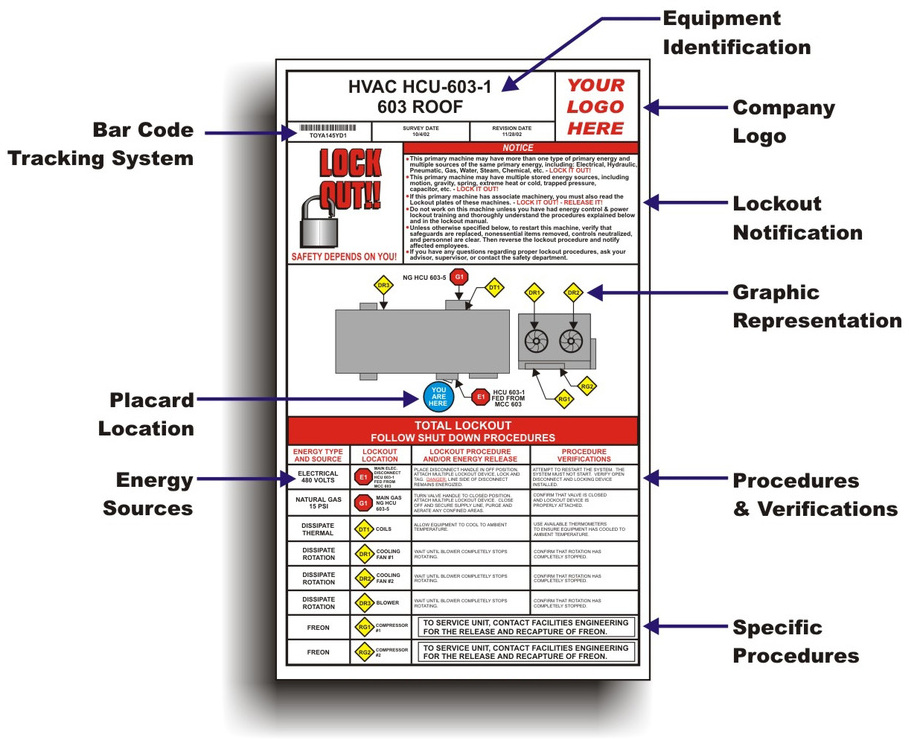
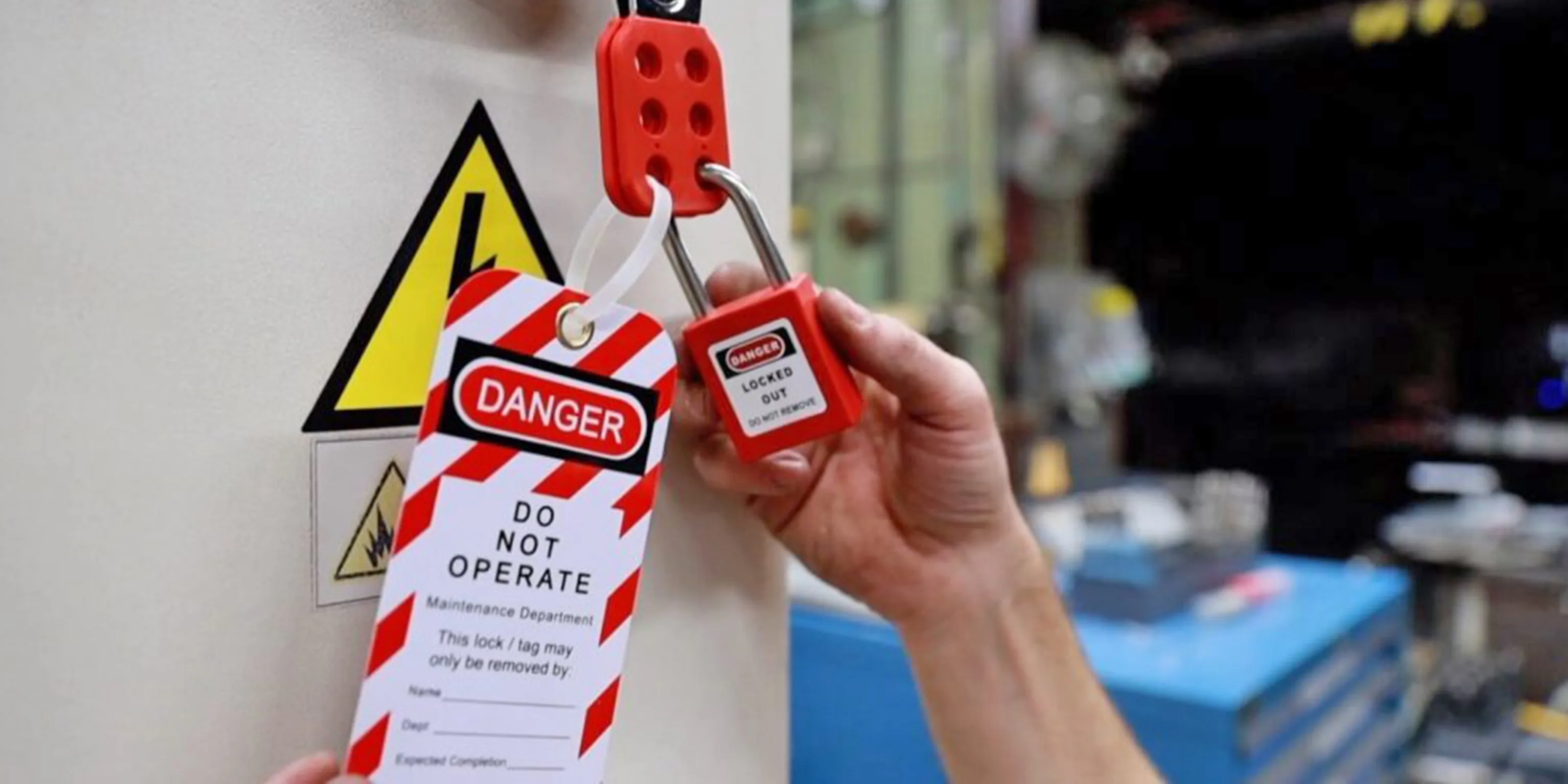
A maintenance technician reaches into a jammed conveyor belt. The machine isn’t running—so he assumes it’s safe. Moments later, a coworker restarts the system remotely, unaware that someone is inside. The result: catastrophic injury. This scenario isn’t hypothetical. It’s the kind of incident a lockout tagout safety moment is designed to prevent—not through complex protocols alone, but through consistent, real-time reinforcement of life-saving habits.
A safety moment is more than a quick talk before a shift. It’s a focused, intentional pause that reminds workers of critical risks—especially those they’ve started to overlook. In the context of lockout tagout (LOTO), these brief interventions combat familiarity, haste, and procedural drift. They turn policy into practice, one shift at a time.
What Is a Lockout Tagout Safety Moment?
A lockout tagout safety moment is a short, targeted safety discussion—typically 3 to 5 minutes—delivered at the start of a shift, before a maintenance task, or after a near-miss. Its purpose is to re-engage employees with LOTO procedures by highlighting real-world risks, reinforcing accountability, and promoting a culture of vigilance.
Unlike full safety training sessions, safety moments are not for teaching new procedures from scratch. Instead, they serve as cognitive triggers. They bring latent hazards to the forefront of workers’ minds when complacency creeps in.
Example: Before servicing a hydraulic press, a supervisor gathers the team and asks: "Who verified isolation? Where are the locks placed? Could stored energy still be present?" This isn’t just review—it’s active verification.
The Hidden Gaps LOTO Safety Moments Address
Even with robust LOTO programs, gaps exist. OSHA reports that nearly 10% of all workplace fatalities involve failure to control hazardous energy. Why? Because people adapt, shortcuts form, and memory fades.
Here are the common breakdowns a safety moment helps correct:
- Incomplete isolation: Workers lock only the main power source but overlook secondary energy (e.g., pneumatic pressure, gravity-fed mechanisms).
- Tag reliance over lock reliance: Tags are informational, not physical barriers. Some workers treat them as permission slips rather than warnings.
- Group work confusion: In team maintenance, unclear roles lead to miscommunication about who applied or removed locks.
- Rushed procedures: Under production pressure, workers skip steps like testing for zero energy.
- Inadequate training refreshers: New hires may understand LOTO, but veterans forget nuances over time.
A safety moment disrupts these patterns by creating a pause for reflection and confirmation.
When to Conduct a LOTO Safety Moment

Timing matters. A safety moment delivered too early loses relevance; too late, and it’s useless. Target these high-risk windows:
Before Maintenance or Repair Work Any time machinery requires servicing—even minor clearing of jams—initiate a safety moment. Ask: - Has the energy control plan been reviewed? - Are all affected employees notified? - Are personal locks being used, not shared ones?
After a Near-Miss or Incident If a worker almost got caught in machinery or someone tried to restart equipment with locks in place, use it as a teachable moment. Share specifics (without blame) to solidify learning.
At Shift Changeover Shift handoffs are high-risk for LOTO failures. The outgoing team may leave locks on, but the incoming crew doesn’t know why. A quick moment can clarify: - What’s locked out? - Who owns each lock? - When is restoration expected?
During Safety Audits or Inspections Use an audit as a trigger. If an inspector finds a missing tag or unsecured valve, gather the team and walk through what went wrong—and how to fix it.
Real-World LOTO Safety Moment Scenarios
Abstract rules fade. Real stories stick. Here are three practical examples to use in your next safety moment:
Scenario 1: The Conveyor Belt That “Was Off” A worker cleared a jam on a conveyor, assuming it was safe because it wasn’t moving. A colleague upstream hit the start button. The safety moment discussion: - What energy sources were present? (Electrical, kinetic) - Was lockout applied at the disconnect? - Was a tag used? Did it explain why? Lesson: Motion doesn’t equal safety. Stored energy and remote controls demand full isolation.
Scenario 2: The Shared Lock Dilemma Two technicians worked on a pump. One applied a lock, the other didn’t, assuming “we’re together, so it’s fine.” The safety moment focus: - Why personal locks are non-transferable - The “one person, one lock, one key” rule - Group lockout procedures and the role of the authorized employee Lesson: Shared responsibility without shared locks creates blind spots.
Scenario 3: The Forgotten Spring A mechanic serviced a valve, de-energized the system, but didn’t realize a spring mechanism was under tension. When he loosened a bolt, the spring released violently. The safety moment: - Identifying stored energy types (mechanical, hydraulic, thermal) - Testing for zero energy after lockout - Using tools like bleed valves or blocking devices Lesson: Lockout isn’t just about flipping a switch—it’s about verifying no energy remains.
Building an Effective LOTO Safety Moment: A 4-Step Framework
Don’t wing it. Structure increases impact. Use this repeatable format:
- Hook (0:30 min)
- Start with a question or brief story. “What would you do if you saw a lock on a machine but didn’t know who it belonged to?”
- Focus (1 min)
- Name the specific risk or procedure. “Today: verifying zero energy after lockout.”
- Engage (2 min)
- Ask the team to describe steps, share experiences, or identify hazards in a scenario. “Walk me through testing this motor for zero energy.”
- Close (0:30 min)
- Reinforce one key takeaway. “No work starts until you’ve tested it yourself.”
This format keeps the moment active, not passive. Workers participate, not just listen.
Common Mistakes in LOTO Safety Moments (And How to Fix Them)
Even well-intentioned safety moments fail when they become routine. Watch for these pitfalls:
| Mistake | Risk | Fix |
|---|---|---|
| Reading from a script without interaction | Team disengages; no retention | Ask open-ended questions |
| Using generic content not tied to current work | Feels irrelevant | Tailor to today’s tasks |
| Only involving supervisors | Misses frontline insight | Rotate facilitators |
| Skipping because “nothing’s happening today” | Reinforces that safety is only for crises | Make it routine, not reactive |
| Not following up | No accountability | Check later if procedures were applied |
The best safety moments feel urgent, personal, and immediate.
Integrating LOTO Safety Moments Into Your Safety Culture
A single safety moment won’t change behavior. Consistency will.
- Schedule them daily or per task, not just monthly.
- Train multiple facilitators, not just managers. Empower experienced workers to lead.
- Document topics covered in a log—this shows due diligence during audits.
- Link them to your LOTO program—review the site-specific energy control procedures quarterly.
- Celebrate compliance, not just correct errors. Recognition reinforces positive habits.
When safety moments become as routine as roll call, they shift from formality to foundation.
Key Takeaway: A Moment Can Save a Life
Lockout tagout isn’t just a procedure—it’s a promise. A promise that no one will be hurt because energy was left uncontrolled. But promises fade without reinforcement.
A lockout tagout safety moment isn’t an extra task. It’s the simplest, most human way to keep that promise alive. It turns awareness into action, one shift, one conversation, one life at a time.
Before any maintenance begins, take five minutes. Ask the hard questions. Confirm the locks. Verify the zero energy. Make it personal.
Because the next time someone reaches into a machine, they should do it knowing every possible safeguard is in place—not hoping it’s safe.
Frequently Asked Questions
What is the purpose of a lockout tagout safety moment? It reinforces LOTO procedures through brief, focused discussions to prevent complacency and ensure energy control measures are followed.
How long should a LOTO safety moment last? Typically 3 to 5 minutes—long enough to engage, short enough to maintain attention.
Who should lead a safety moment? Supervisors, safety officers, or trained team members. Rotating facilitators increase engagement.
Can a safety moment replace formal LOTO training? No. It supplements training by refreshing knowledge and addressing real-time risks.
What topics should be covered in a LOTO safety moment? Verification of isolation, identifying stored energy, proper lock/tag use, group lockout, and recent near-misses.
How often should LOTO safety moments occur? Ideally before every maintenance task or at daily shift starts in high-risk environments.
Are safety moments required by OSHA? Not explicitly, but OSHA requires employee training and periodic inspections—safety moments support compliance with these rules.
FAQ
What should you look for in Lockout Tagout Safety Moment: A Critical Step in Hazard Control? Focus on relevance, practical value, and how well the solution matches real user intent.
Is Lockout Tagout Safety Moment: A Critical Step in Hazard Control suitable for beginners? That depends on the workflow, but a clear step-by-step approach usually makes it easier to start.
How do you compare options around Lockout Tagout Safety Moment: A Critical Step in Hazard Control? Compare features, trust signals, limitations, pricing, and ease of implementation.
What mistakes should you avoid? Avoid generic choices, weak validation, and decisions based only on marketing claims.
What is the next best step? Shortlist the most relevant options, validate them quickly, and refine from real-world results.