Every year, workers are injured—or worse—because machinery was accidentally energized during maintenance. These incidents aren’t just preventable; they’re often the result of skipped safety steps during routine servicing. The solution? A solid lockout tagout (LOTO) program reinforced through consistent OSHA lockout tagout toolbox talks. These brief, focused safety meetings aren’t just procedural checkboxes—they’re frontline defenses that keep teams aware, aligned, and alive.
A well-run toolbox talk bridges the gap between policy and practice. It turns abstract safety rules into real behavior, especially for LOTO procedures that demand precision. This article breaks down how to conduct impactful lockout tagout toolbox talks that resonate, comply with OSHA standards, and drive safer outcomes on the job.
Why Lockout Tagout Toolbox Talks Matter
OSHA’s lockout tagout standard (29 CFR 1910.147) isn’t optional. It mandates the control of hazardous energy during servicing and maintenance. But compliance isn’t just about written procedures—it’s about consistent execution. That’s where toolbox talks come in.
These short safety discussions (typically 10–15 minutes) refocus teams on critical risks before high-risk tasks. In facilities with rotating shifts or contract workers, a weekly LOTO toolbox talk can be the difference between muscle memory and muscle injury.
Real-world example: At a Midwest manufacturing plant, a maintenance technician bypassed lockout because "the machine only needed a quick adjustment." The conveyor unexpectedly powered on, resulting in a crushed hand. An investigation revealed that LOTO hadn’t been discussed in over two months. After implementing biweekly LOTO toolbox talks, compliance rose from 68% to 96% within a quarter.
Toolbox talks work because they: - Reinforce accountability - Clarify roles (authorized vs. affected employees) - Address site-specific hazards - Encourage peer-to-peer safety culture
When done right, they turn LOTO from a compliance burden into an ingrained habit.
Key OSHA Requirements for Lockout Tagout
Before running a toolbox talk, you must understand what OSHA mandates. Misunderstanding the standard leads to flawed training and dangerous gaps.
Core OSHA LOTO requirements include:
- Written energy control program: Every site must have a documented LOTO procedure.
- Authorized vs. affected employees: Authorized workers perform lockout; affected workers operate or use equipment but don’t service it.
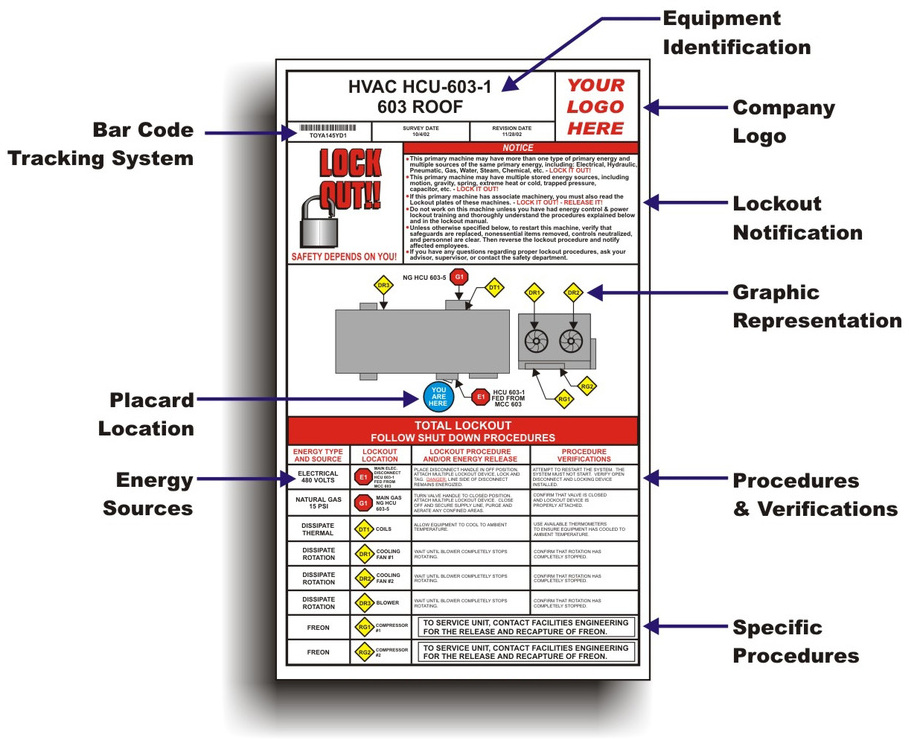
- Machine-specific procedures: Generic steps aren’t enough. Each energy source—electrical, hydraulic, pneumatic, thermal—must be addressed.
- Periodic inspections: At least annual audits of LOTO procedures with employee involvement.
- Training and retraining: Initial training plus refreshers when procedures change or errors occur.
During a toolbox talk, don’t just recite the rules—contextualize them. For example: > “Last week, we found three tagout tags left on the press after shift change. OSHA says locks and tags must be removed only by the person who applied them. That’s not just policy—it’s a life-saving rule.”
Highlighting actual near-misses or audit findings keeps the talk relevant and urgent.
Anatomy of an Effective LOTO Toolbox Talk

A successful session isn’t a lecture. It’s interactive, visual, and tied to daily operations. Use this structure to maximize impact:
#### 1. Start with a Real Incident or Scenario Open with a photo, a short story, or a hypothetical: > “Imagine you’re clearing a jam in the packaging line. You hit ‘stop,’ but someone upstream restarts it remotely. What should have been a 2-minute fix turns into an amputation. Why? No lockout.”
This creates emotional engagement—and urgency.
- #### 2. Review the 6-Step LOTO Process Walk through the standard sequence:
- Prepare for shutdown
- Notify affected employees
- Shut down the machine
- Isolate energy sources (lock and tag)
- Verify zero energy
- Perform maintenance
Use a whiteboard or laminated checklist. Ask: “Where do we most often skip step 5?”
#### 3. Highlight Common Mistakes People forget verification. They use group locks incorrectly. They assume “off” means “safe.” Name these errors explicitly: - Tag-only reliance: Tags are warnings, not physical barriers. - Shared locks: Each worker must apply their own lock. - Incomplete energy isolation: Overlooking stored energy (e.g., springs, capacitors).
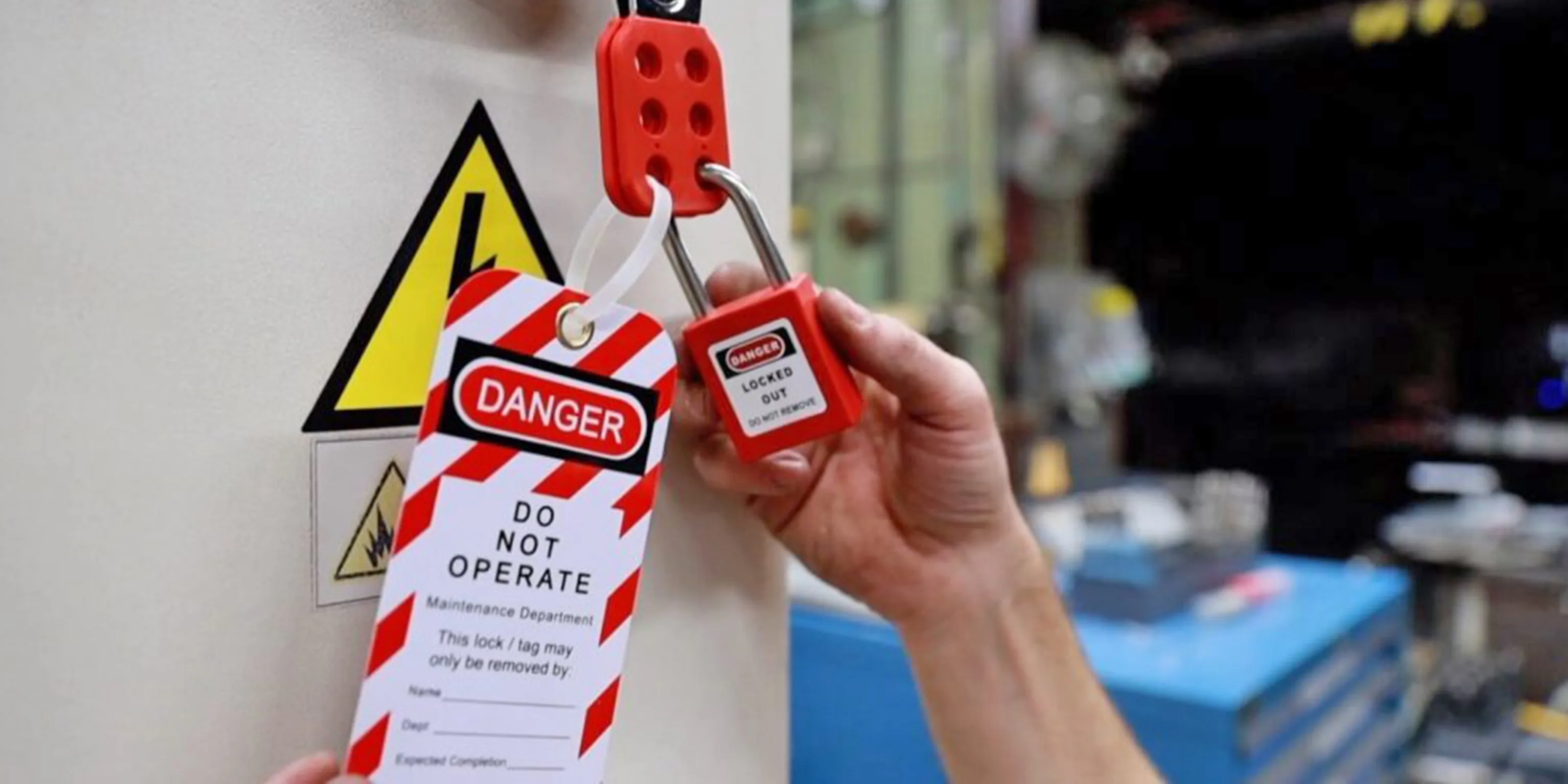
#### 4. Include a Demonstration Physically show how to apply a lockout device. Use a training padlock on a mock machine. Let employees practice verifying de-energization.
#### 5. Encourage Questions and Stories Ask: “Has anyone seen a LOTO close call?” Real experiences shared in the moment stick far longer than scripted warnings.
Common LOTO Violations Seen in Toolbox Talk Audits
Even trained teams make mistakes. Regular toolbox talks help spot patterns. Here are frequent violations observed during safety audits:
| Violation | Risk | Prevention Strategy |
|---|---|---|
| Skipping energy verification | False assumption of safety | Mandate test-attempts before work begins |
| Using damaged or generic locks | Compromised security | Issue durable, employee-specific locks |
| Incomplete procedures | Missing energy sources | Audit each machine’s LOTO steps quarterly |
| Tag removal by others | Unauthorized re-energization | Enforce one-key, one-lock, one-person rule |
| Poor communication during shift changes | Lost accountability | Use shift交接 forms and logbooks |
When reviewing these in a toolbox talk, avoid blame. Focus on systems: “How can we make verification easier?” or “Should we add a secondary check before re-energizing?”
Integrating Toolbox Talks into Your Safety Workflow
LOTO discussions shouldn’t be random. Embed them into your safety rhythm:
- Weekly: Rotate topics—locks, tags, group LOTO, stored energy.
- Pre-job: For high-risk maintenance, conduct a mini talk on-site.
- Post-incident: After a near-miss, hold an immediate debrief.
- New hires: Include LOTO in onboarding, then follow up at 30 and 60 days.
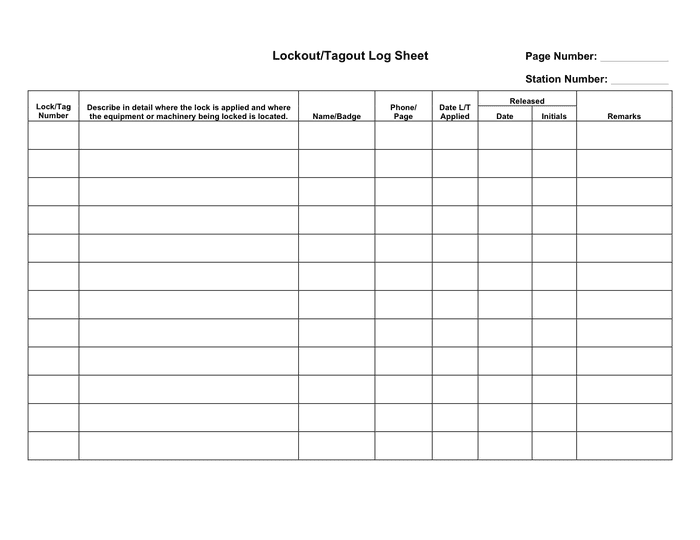
Use a sign-in sheet for accountability. Not for punishment—but to ensure everyone hears the message. Rotate facilitators to build ownership across the team.
Pro tip: Record recurring talks (with consent) and post them on the breakroom monitor. Visual reinforcement boosts retention.
Tools and Devices That Support LOTO Compliance
While toolbox talks educate, the right tools make compliance easier. Use discussions to introduce or review equipment:

- Lockout Hasps – Allow multiple workers to apply individual locks to a single energy isolation point.
- Valve Lockouts – Secure ball, gate, and butterfly valves to prevent accidental flow.
- Circuit Breaker Locks – Prevent re-energizing electrical panels during service.
- Plug Lockout Devices – Lock electrical cords in outlets or disconnects.
- Group Lockout Stations – Centralized kits with locks, tags, hasps, and checklists for team maintenance.
During a talk, pass these around. Let workers handle them. Ask: “Which one would you use on the CNC mill’s hydraulic line?”
Hands-on familiarity reduces hesitation during real lockout events.
Overcoming LOTO Complacency
Complacency kills. After months without an incident, workers start thinking: This won’t happen to me. Toolbox talks must disrupt that mindset.
Use contrast framing: > “Last year, 128 workers died from unexpected equipment startup. Most said, ‘It was just a small fix.’”
Or apply social proof: > “Our welding crew hasn’t had a LOTO violation in 18 months because they double-check each other.”
Rotate content to avoid repetition. One week, focus on electrical isolation. The next, cover pneumatic systems. Then dive into shift交接 risks.
Use case: A food processing plant reduced LOTO deviations by 70% by introducing “LOTO Challenge Days.” Teams competed to spot violations in staged scenarios discussed during toolbox talks. Engagement soared—and so did compliance.
Closing: Make Every Talk Count
A great OSHA lockout tagout toolbox talk doesn’t just inform—it changes behavior. It turns awareness into action. It transforms the phrase “I know the rules” into “I follow them, every time.”
Don’t treat these sessions as administrative tasks. Design them with purpose: clear objectives, real-world relevance, and room for dialogue. Revisit procedures, correct misunderstandings, and celebrate safe behavior.
Schedule your next talk today. Pick a recent near-miss, a problematic machine, or a common gap. Show up prepared. Walk away with a safer team.
Because when it comes to hazardous energy, there’s no such thing as over-communicating safety.
Frequently Asked Questions
What is the purpose of a lockout tagout toolbox talk? It reinforces LOTO procedures, increases awareness of hazardous energy risks, and promotes consistent safety behavior among workers.
Who should lead a LOTO toolbox talk? Supervisors, safety officers, or trained team leads—but rotating facilitators can boost engagement and peer learning.
How often should LOTO toolbox talks be held? At minimum, monthly. High-risk environments benefit from weekly sessions, especially after incidents or procedure changes.
Can a toolbox talk replace formal LOTO training? No. Toolbox talks supplement, not replace, OSHA-mandated initial and annual training for authorized employees.
What should be documented after a LOTO toolbox talk? Attendance, topic, key points covered, and any follow-up actions. This supports compliance and tracking.
How long should a LOTO toolbox talk last? Ideally 10–15 minutes. It should be long enough to cover the topic but short enough to maintain focus.
Can toolbox talks reduce workers’ comp claims? Yes. Sites with regular safety discussions see fewer incidents, lower injury rates, and reduced claims over time.
FAQ
What should you look for in OSHA Lockout Tagout Toolbox Talk Essentials? Focus on relevance, practical value, and how well the solution matches real user intent.
Is OSHA Lockout Tagout Toolbox Talk Essentials suitable for beginners? That depends on the workflow, but a clear step-by-step approach usually makes it easier to start.
How do you compare options around OSHA Lockout Tagout Toolbox Talk Essentials? Compare features, trust signals, limitations, pricing, and ease of implementation.
What mistakes should you avoid? Avoid generic choices, weak validation, and decisions based only on marketing claims.
What is the next best step? Shortlist the most relevant options, validate them quickly, and refine from real-world results.